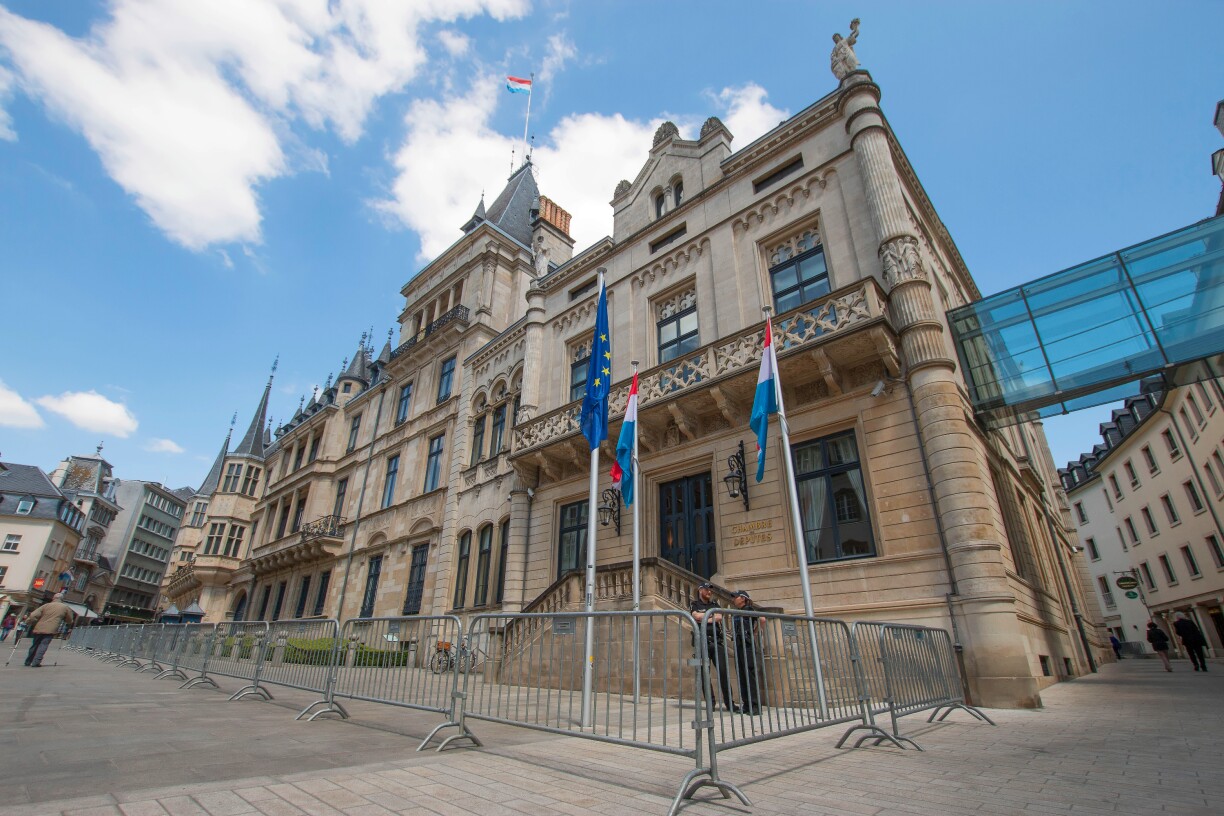
A dangerous precedent has been set in recent days with the US decision to attack Venezuela based on accusations of narcoterrorism, Foreign Minister Xavier Bettel said during Monday morning's parliamentary foreign affairs committee, warning of increased risks of global instability.
Bettel condemned the move as a violation of international law, stating that "while it is a relief to be rid of (Venezuelan President) Maduro, it is not acceptable for a country to unilaterally remove a president." He warned that such actions could inspire similar interventions by other nations, adding: "It sends the signal, 'when you're big, you can do whatever you like'".
The Foreign Minister’s punchier words were received more favourably than the government’s official statement, according to Sam Tanson of the Greens (Déi Gréng) and David Wagner of The Left (Déi Lénk):
"It was only in response to a question that Xavier Bettel said he was of the opinion that there were violations of international law concerning the use of force, and I severely regret that this is not reflected in the government's official statement".
MP Wagner added that his party had been disappointed by the government’s stance on the actions of the American administration, saying it should be called what it was: illegal. He described it as the kidnapping of a head of state and an attack on the capital of Venezuela. He further warned that Denmark might be next, suggesting that the case of Venezuela could set a precedent for other parts of the world.
Yves Cruchten of the Luxembourg Socialist Workers’ Party (LSAP) criticised Luxembourg’s foreign policy for hiding behind the EU and argued that the EU itself also needed to wake up. He warned that if the EU stopped standing up for European values and principles, it could itself become the next target. This, he admitted, worried him greatly. Cruchten recalled repeated threats from US President Trump to de facto annex Greenland and suggested this could become the next geopolitical issue Europe would have to face. He argued that Europeans must have the courage to defend their values and that holding vague, non-committal positions was no longer sufficient.
Charles Goerens of the Democratic Party (DP), who also sits on the parliamentary foreign affairs committee, also voiced his concerns. He said that the European Union was no longer present on the international stage because the 27 member states could no longer agree on a common position. In a world where decisions were once again driven solely by power dynamics, he argued, the EU must regain its strength if it wanted to support the rule of international law.
Goerens went on to say that a qualified majority among EU member states could oppose the US violation of international law in Venezuela. However, he stressed that the necessary decision-making mechanisms needed to be put in place. Until then, he added, shedding crocodile tears was all one could do.
Notably, while decisions made by EU foreign ministers in the Council of the EU require unanimity, aspects of decisions can be decided by qualified majority voting, which means 55 % of EU country votes, representing at least 65 % of the EU's population.





