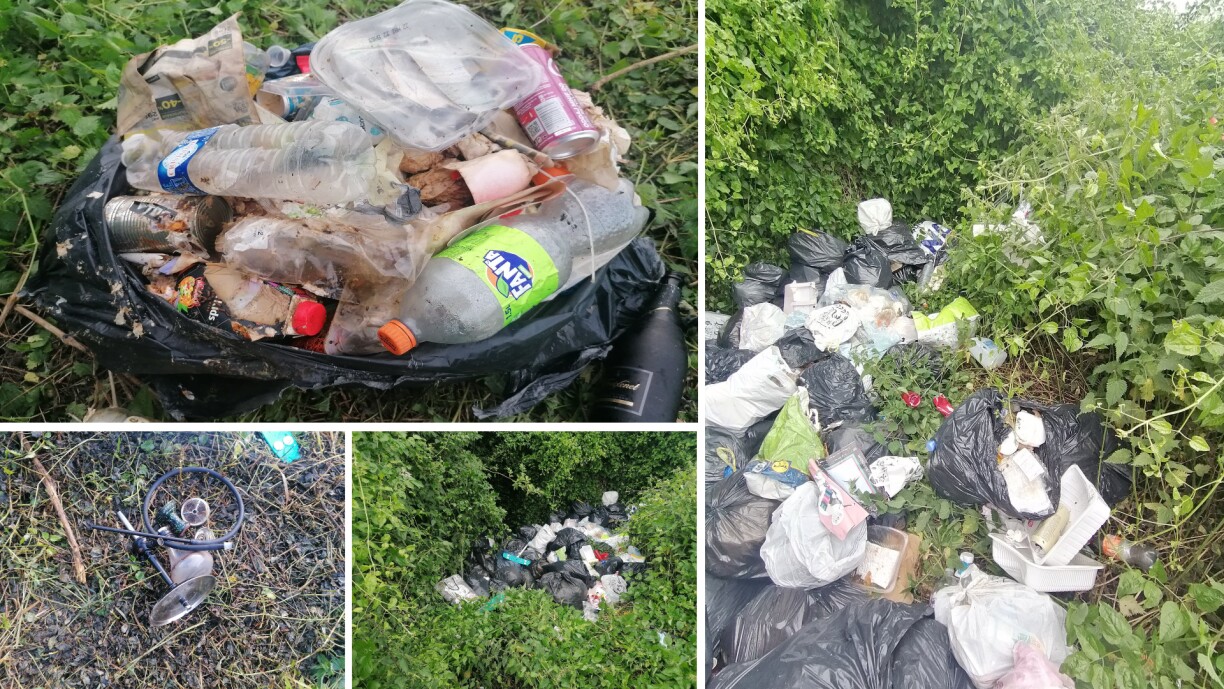
On Monday 20 June, members of a household in Serrouville, Lorraine, discovered a heap of waste dumped on their land, in what has become a concerning trend in border villages.
Local French authorities have long complained about waste being dumped across the border in public areas, but this time, the rubbish was left in an orchard belonging to a Serrouville family, on their property.
"We knew this would happen, as it has been happening everywhere," laments Marc, who made the unsavoury discovery. Despite the fact their land is relatively isolated, he says it is clear someone knew exactly where to come in order to dump the waste discreetly. The perpetrators, who appeared to have visited by night, were not seen by residents on the property, nor were they picked up by CCTV.
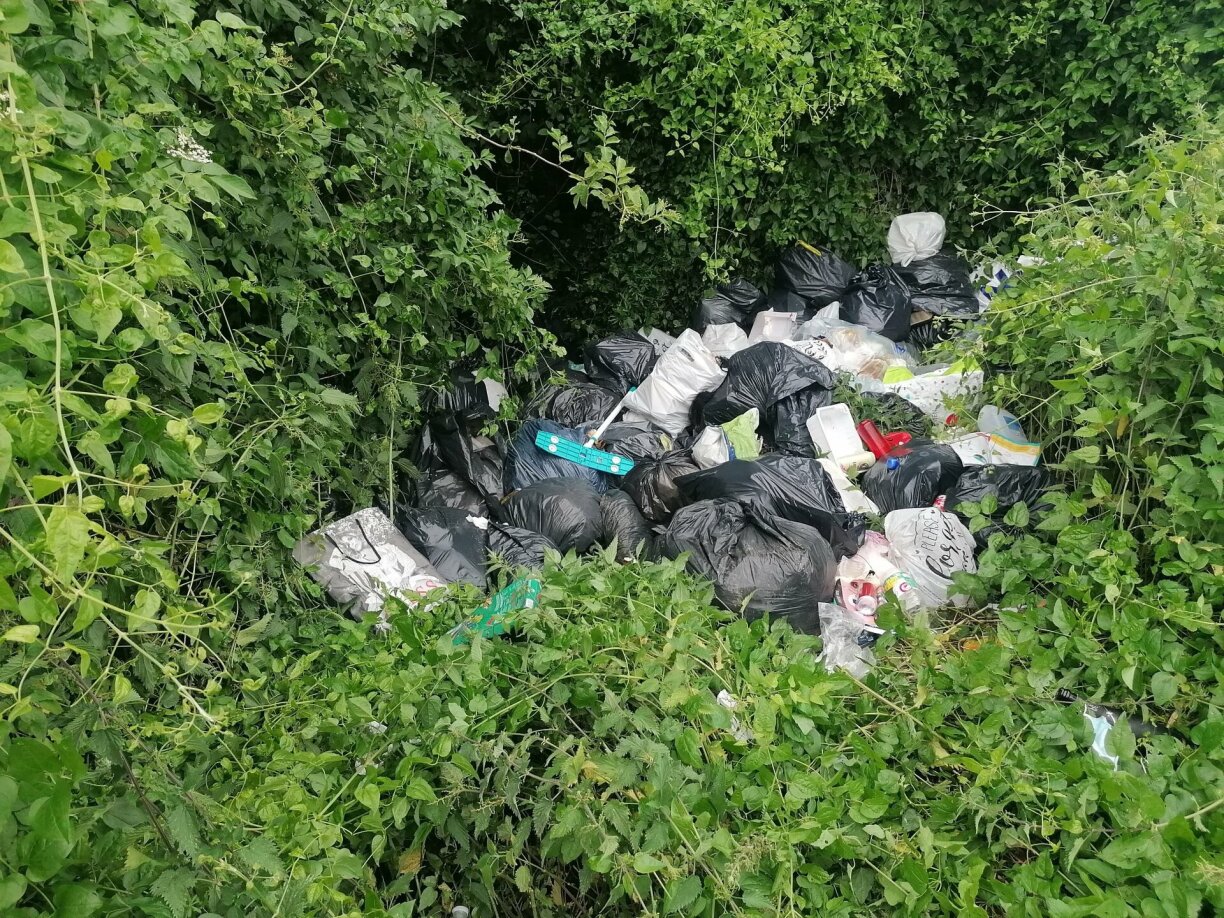
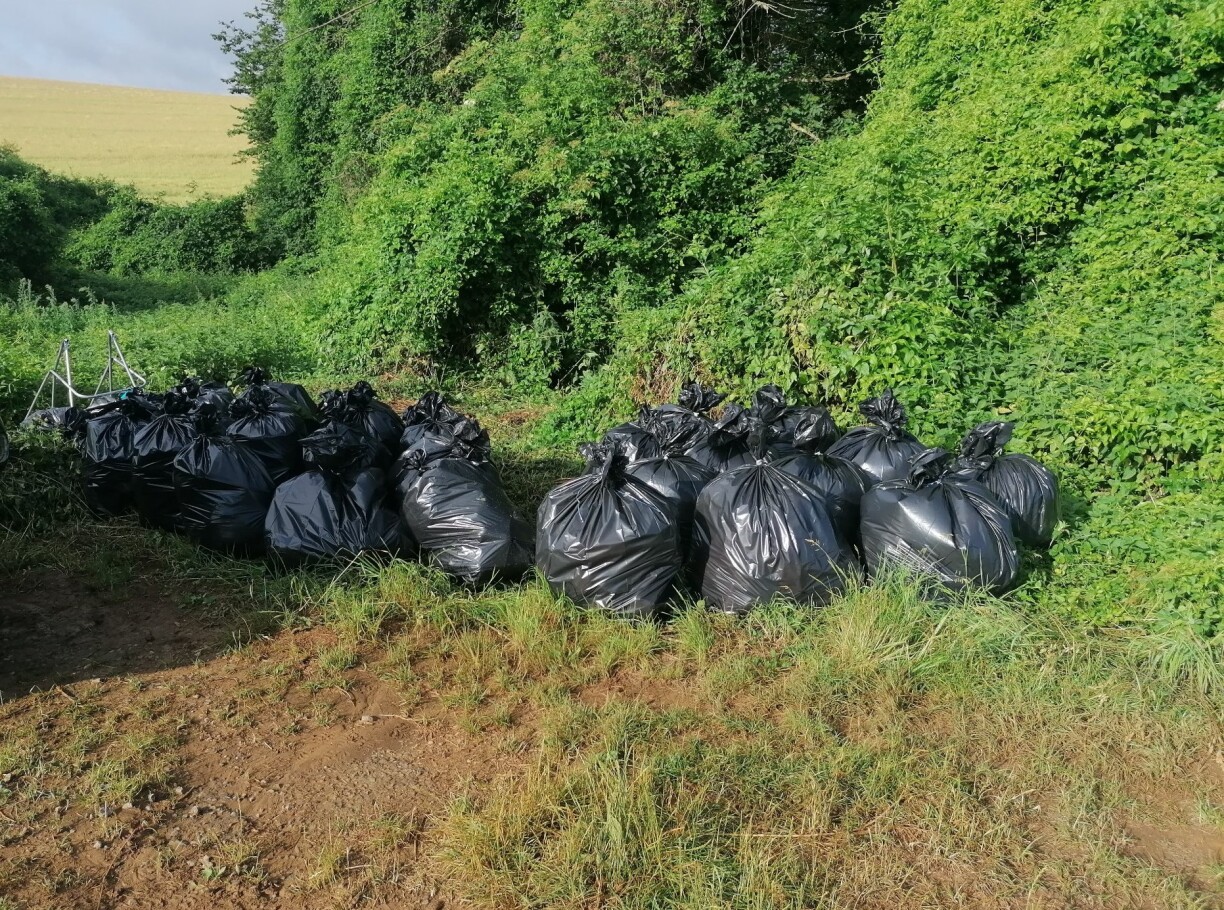
Marc and his wife Isabelle, who are both retired, counted more than 80 black sacks left on their property, filled with decomposing food waste, plastic packaging and cans. "They were rife with maggots, it made my wife ill, " he adds. The couple were forced to collect the rubbish and put it into fresh rubbish bags in order to dispose of it properly.
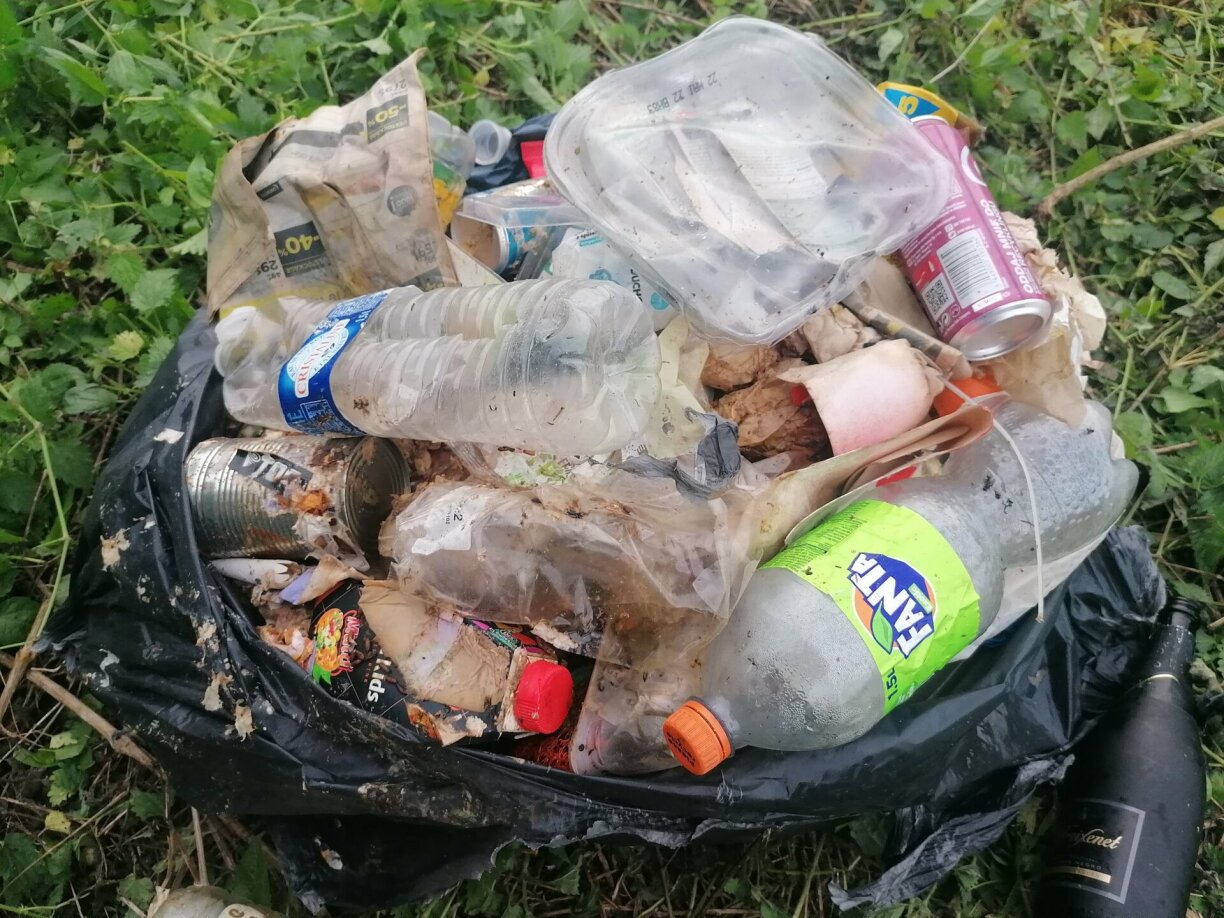
Among the waste, the couple discovered papers with multiple addresses based in Luxembourg. Marc confirmed that he had registered a complaint in Trieux, supplying the address details and names on the papers.
This is not the first time Luxembourgish rubbish has been dumped across the border, polluting green spaces. Reports date back to 2019 in Audun-le-Tiche, while in early June, police received reports of fly-tipping across the Belgian border as well. Customs agents in France have begun checking vehicles for waste when crossing the border.
As for Marc and Isabelle, they were able to engage assistance from the local council in disposing of the waste, albeit only after a few days of misunderstandings. Marc confirmed the rubbish will be removed on 4 July and said he would be relieved to be rid of it. The couple now seek to regain the tranquillity of their surroundings, where they often take pleasure in observing local wildlife, and hope they will not discover such disturbances in future.





