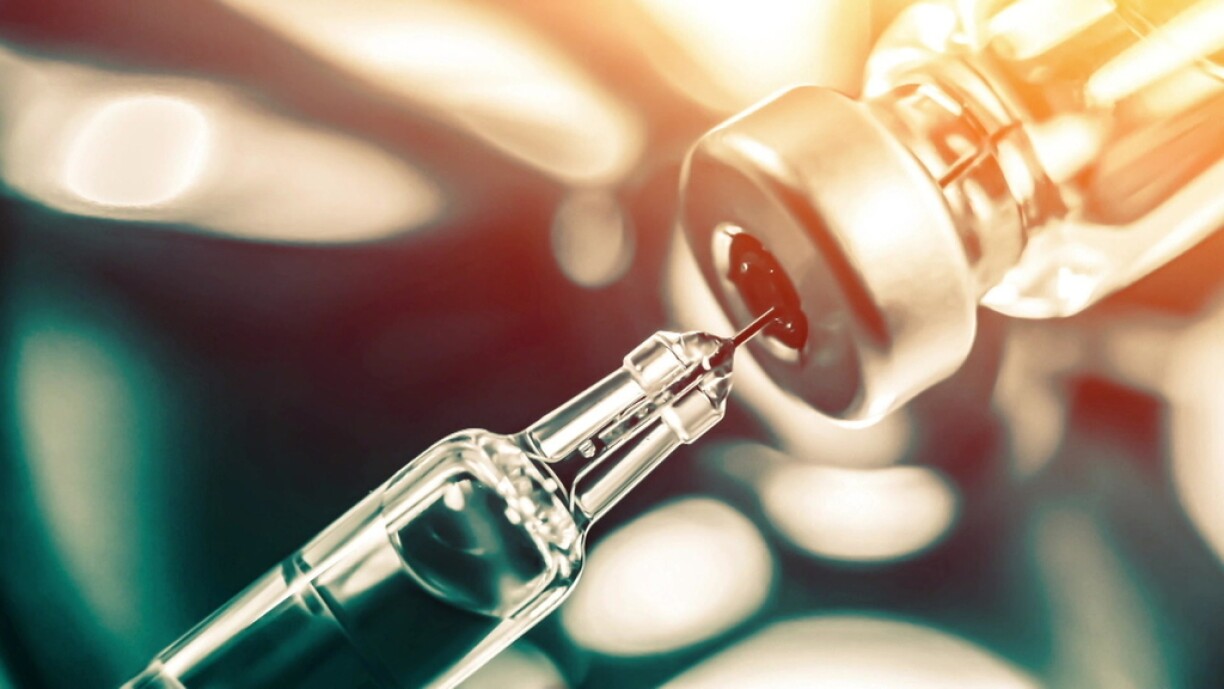
At the end of November 2018, Luxembourg experienced a shortage in flu vaccines and the authorities had to come up with additional solutions to counter the population's demands. The shortage caused much ire among some residents especially concerned by the unavailability. Just under a year later, the vaccine period is in full swing, but will there be a repeat of last year?
So far, a total of 77,500 vaccine doses have been stocked in Luxembourg or are being delivered. Compared to the previous year, this is some 2,500 more doses in a bid to remain prepared. Usually, 5 to 20% of the population is affected by the seasonal flu.
However, according to Health Inspectorate director Dr Jean-Claude Schmit, the demand for vaccines is constantly on the rise. Nevertheless, he added that last year was 'exceptional', with the number of vaccines also being exceptionally high. Usually, doctors only tend to provide between 55,000 and 60,000 vaccines. As Dr Schmit confirmed, there should consequently be enough vaccines for this flu season.
The shortage issue is nothing new, both in Luxembourg and further afield. Other areas of Europe have had to deal with vaccine shortages, even this year. The president of the pharmacists' syndicate, Alain de Bourcy, explained that this year's shortages are due to delays with scheduling. Usually, vaccines should not be distributed too early in the year as patients will not experience the most important antibodies of the winter. An early vaccine would not have any effect on later antibodies. As de Bourcy explained, the World Health Organisation has to wait for some time before authorising vaccines and these delays cause production delays.
De Bourcy added that manufacturers have profit in mind, and deliver quickly to the areas that pay the most, which is often not necessarily Europe or even Luxembourg. The major issue in the shortages last year was the loss caused to manufacturers, who do not consider Luxembourg to be lucrative enough.
Authorities in Luxembourg distribute vaccines at an affordable price to provide a favourable distribution. Dr Schmit added that Luxembourg's hands are tied in fixing prices, as these are based on the country of origin of vaccines. The majority of vaccines come from Belgium, which offers vaccines at a relatively cheap price compared to Germany and other countries. So far, this year there have not been many issues with manufacturers.
Whilst deliveries have been slow, these issues have been related to logistics rather than manufacturing.





