
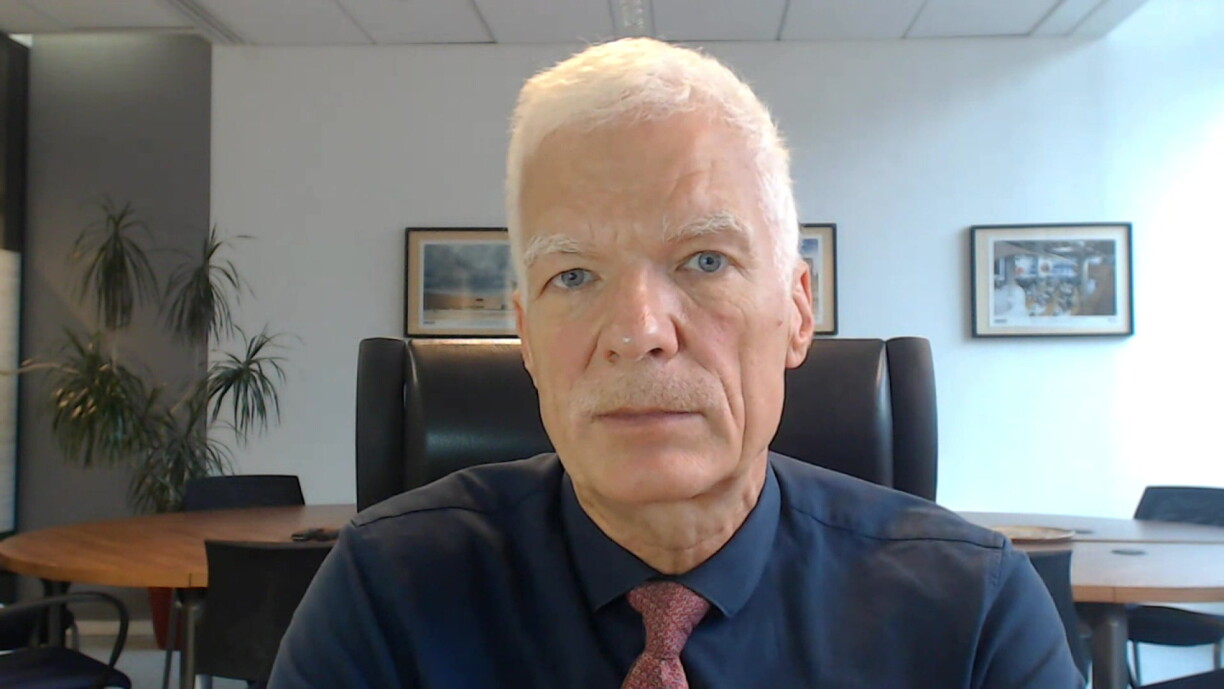
Luxembourg's results in the latest Programme for International Student Assessment (PISA) have drawn considerable criticism from stakeholders across the country. Andreas Schleicher, founder and coordinator of the PISA studies at the OECD, pointed out that Luxembourg's results clearly fall short of what the country is expected to achieve, particularly when it comes to efficiency.
Luxembourg, he noted, spends almost seven times as much per pupil as Turkey – without securing better outcomes. How efficient, then, is the Luxembourg school system truly, he questioned.
Pupils' socioeconomic background also continues to have a strong bearing on their learning habits and on their performance in school. For those pupils in particular, a more consequential grading system would be a real asset.
What also worried him, Schleicher said, was that many pupils in Luxembourg received good grades even when their results were not particularly strong.
That dynamic is "fatal", he argued, especially for children from less advantaged social environments. For those from favourable backgrounds, it mattered less since the parents would always step in for their children.
For pupils from more disadvantaged circumstances, however, telling them that something was "good enough" and that they did not need to make any further effort only widened social disparities.
Around 30% of 15-year-old pupils in Luxembourg said that school was a waste of time. Young people themselves, Schleicher argued, should not be blamed for that figure.
He stressed the importance of making learning more relevant and tackling how pupils could be given more responsibility for setting their own learning goals and shaping their own learning paths. This matters, he argued, because pupils should not become just mere consumers of content that often fails to interest them and whose relevance escaped them.
Instead, they should take ownership of their own learning and understand the relationship to real-life problems.
Luxembourg, he concluded, does not need more resources for this. What it needs is a more effective use of the resources already in place, Schleicher said.





