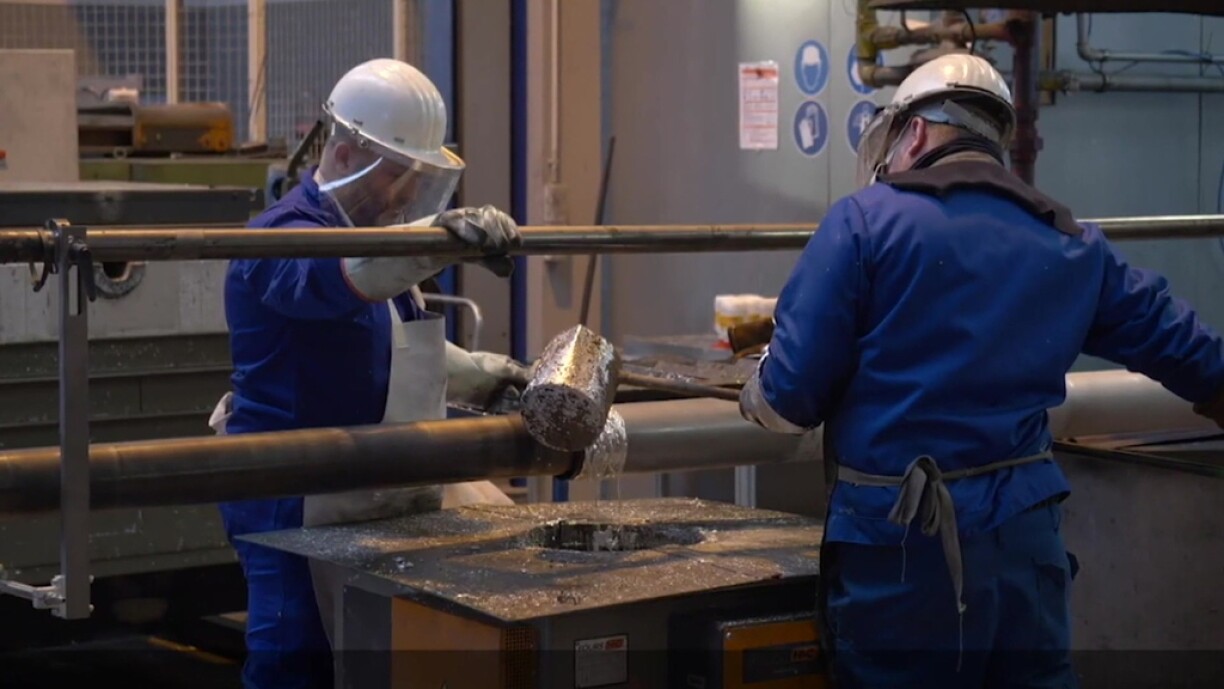
Gradel, a firm based in Mondorf-les-Bains, has been working with a German business for a year and a half now. The two firms are collaborating in developing ultralight materials for the spatial resources market.
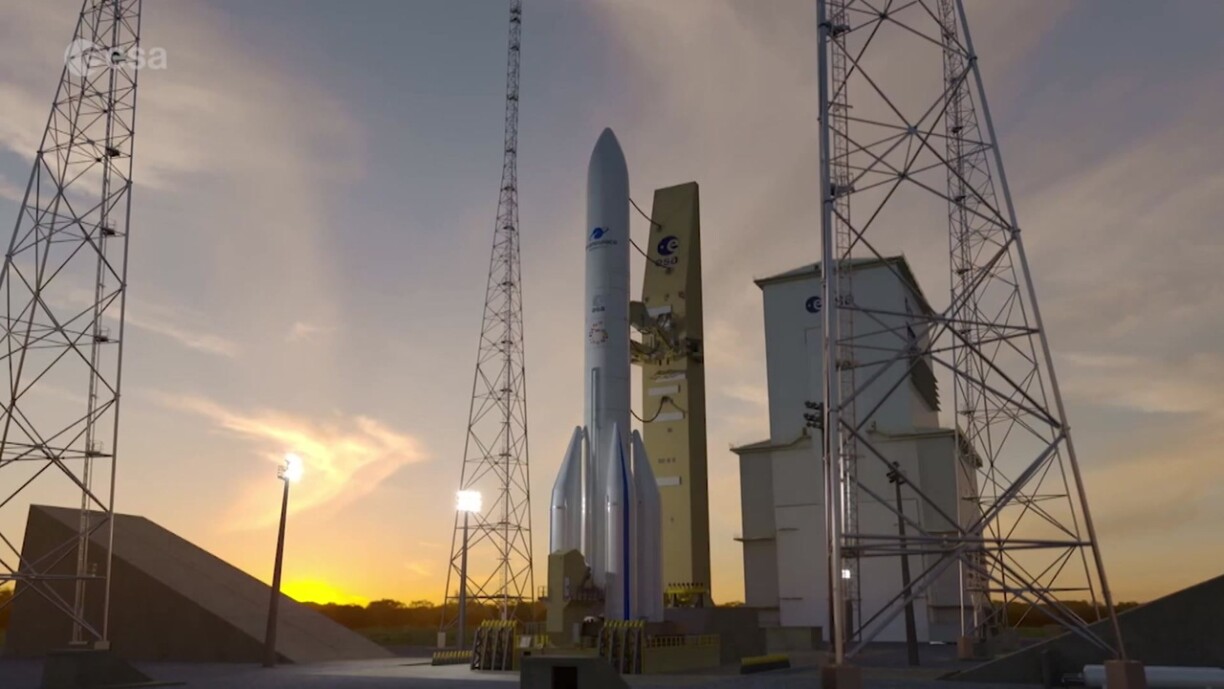
But why exactly is manufacturing ultra-lightweight material so important in the space sector? Weight is crucial to the sector, because it can cost developers an enormous amount of money. Currently, costs per kilogram sent out into space lie at €5,000. Manufacturing ultralight material helps optimise the use of rockets, which has an impact in allowing more satellites to be brought out to space. Not to mention, the savings on fuel.
Gradel's biggest challenge is convincing clients, like satellite operators, to employ new ultralight technologies. But the firm believes there is currently a demand for affordable ultralight material. Russian cosmonaut Anton Shkaplerov has been to the International Space Station (ISS) three times, most recently in 2017. He believes it is important to use lightweight material in space in the future, above all due to costs incurred.
US President Donald Trump recently made the call to fund a new American mission to the moon - and to Mars. This would make the USA the first nation to reach the planet, but Russia is also interested in the challenge. Highlighting the existing expenses of such a mission, Shkaplerov pointed out the benefits of having multiple countries collaborate in that domain.