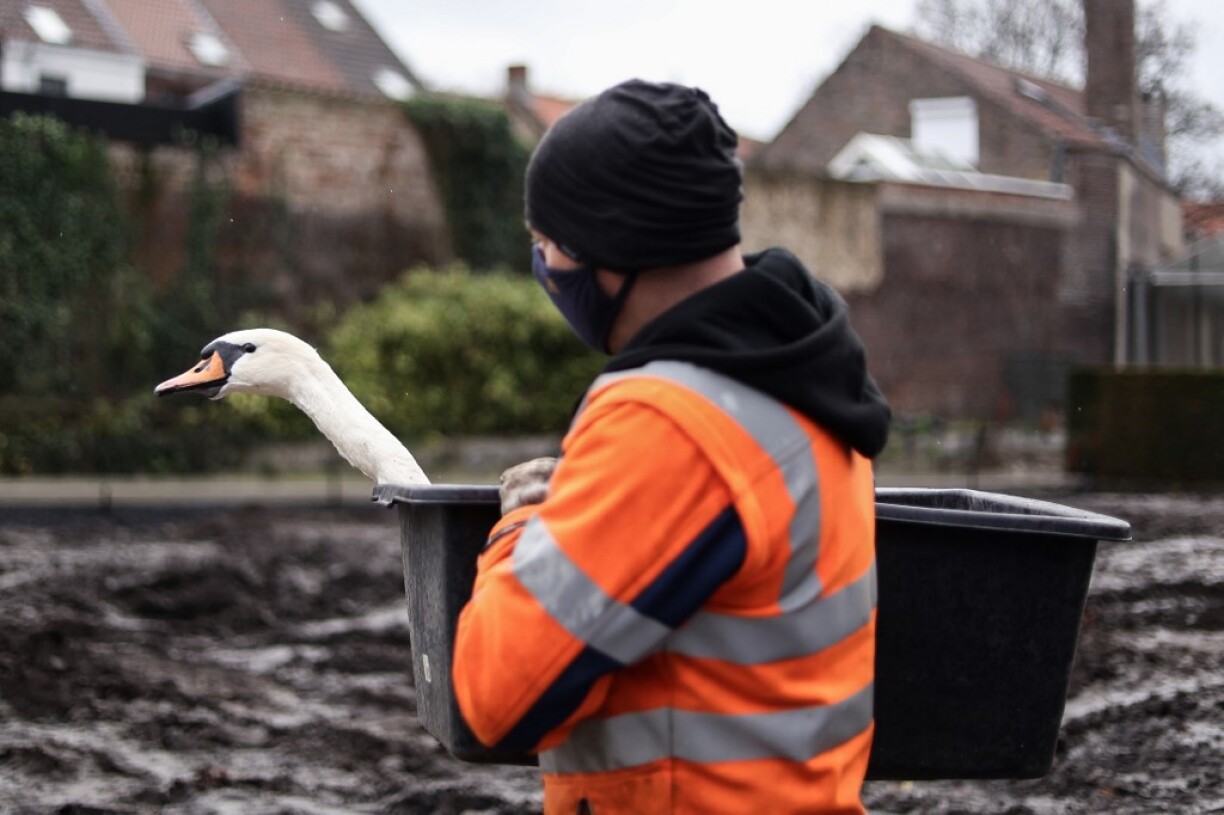
Belgium discovered several cases of "highly pathogenic bird flu of the type H5 among wild birds" in mid-November, according to the Belgian food safety agency Afsca. A total of 20 cases have been detected, the Afsca confirmed on Thursday.
All domestic animals infected by the highly pathogenic virus at the two poultry farms in Menin (Flanders) and Dinant (Wallonia) were culled, Belgian health authorities announced Thursday. Dinant is around 100km from Luxembourg as the crow (or other bird) flies.
According to information from the Ministry of Agriculture, the Grandy Duchy has so far escaped the rapid infection currently raging in south western France, known for its foie gras production. Loïc Evain, head of French veterinary services, told the AFP on Tuesday that over 200,000 ducks had been culled in an effort to stem the spread, and that a further 400,000 were slated to be, as a preventative matter.
As for Luxembourg, Félix Wildschutz from the local veterinary services confirms, "We have not detected a single case so far. Not in 2020, nor in 2021. But all the surrounding countries are affected, so there is no reason we shouldn't have it." As the situation could change from one day to the next, "we are currently on alert", he confides.
In practice this means that all poultry are kept in confinement, there are regular, careful checks, the European database is closely scrutinised, and that every dead bird is analysed.
The veterinary laboratory regularly sees bird and poultry cadavers delivered and "each one of them is autopsied to determine illnesses, with an analysis for bird flu in particular", confirms Dr Félix Wildschutz. "We want to be sure we don't miss a case."
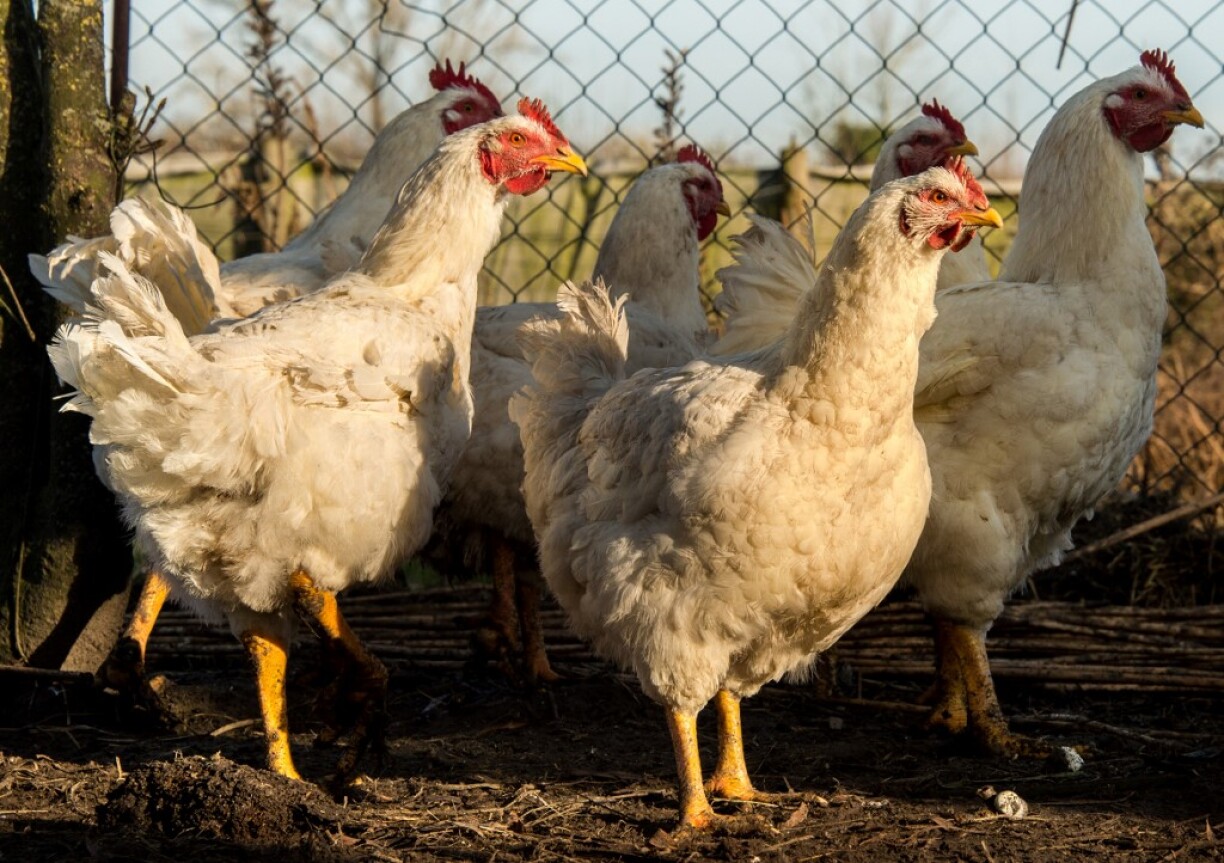
Birds and poultry had already been confined in mid-November to avoid any contact with wild birds who "are the source of bird flu in all countries". Luxembourg's only real advantage seems to be that it is not a coastal country and sees little bird migration.
Luxembourg currently has around 100,000 poultry, with "a few thousand in domestic flocks", says Dr Wildschutz. These are the most exposed, however, as shown during the 2017 bird flu episode in the country. Industrial farms generally keep their poultry inside.





