As RTL's editorial guest on Tuesday, Minister of Home Affairs Léon Gloden confirmed that the planned vote on the reinforced "Platzverweis", a legal tool aimed at tackling persistent security concerns in Luxembourg's Gare district, will go ahead before the start of the summer holidays. He also spoke on the latest EU asylum and migration agreement, public safety in the Gare district, and organised begging.
The minister rejected opposition claims that the European asylum and migration pact, to be voted on in the Chamber of Deputies on Tuesday afternoon, was being rushed through parliament without proper scrutiny. He insisted the legislative process had followed a reasonable timeline, with the text tabled in January and 15 opinions received, allowing ample time for feedback from all stakeholders. According to Gloden, politicians are often criticised for working too slowly, and he does not believe any deadlines have been imposed prematurely in this case.
The Christian Social People's Party (CSV) politician also referred to recent amendments to the law on the reception of migrants, pointing out that during the previous government, under a minister from the Luxembourg Socialist Workers' Party (LSAP), parliament adopted the report on the law and the subsequent vote on the same day, with further opinions submitted afterwards.
Gloden cautioned opposition parties against throwing stones in a glass house, for they had acted similarly when in power. He reiterated his commitment to a responsible asylum policy: those meeting the conditions should stay and receive support with integration, while those who do not qualify should be returned as soon as possible to avoid giving false hope.
Turning to public safety in the Gare district, Gloden highlighted increased police activity to demonstrate that action is being taken. From January to May, police carried out 800 patrols and 14 major operations in the area, with the drugs unit making 216 arrests last year. The number of police officers has also risen, from 3,100 to 3,600, and the judicial police has been reinforced.
Gloden stressed that there is no "lawless zone" in a constitutional state, addressing criticism that, despite greater police presence and interventions, the justice system has struggled to keep up. He acknowledged this as a valid point and noted that he initiated drug roundtable meetings to bring all stakeholders together, emphasising that everyone, including the judiciary, must take responsibility.
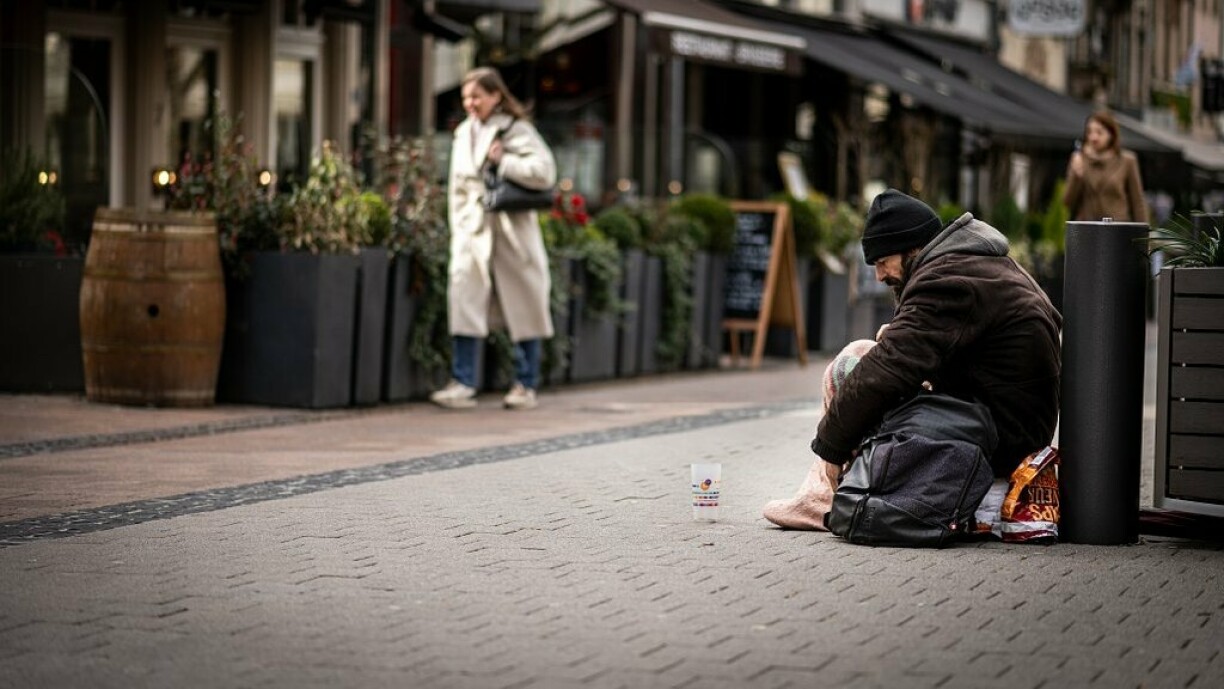
Gloden finally addressed trends of organised begging in Luxembourg City, noting recent improvements partly due to cooperation with Romanian police. Two Romanian officers will remain in the country until October, working under the Luxembourgish police authority to conduct joint patrols and engage with beggars.
The minister emphasised the importance of the upcoming vote on the reinforced "Platzverweis", which would, for example, allow authorities to remove individuals from building entrances more effectively. The final opinion from the Council of State will be reviewed by the relevant parliamentary committee on Wednesday. Gloden argued that the current legal framework does not go far enough, a position he said he has long held and now feels vindicated in.





