According to a response by Prime Minister Luc Frieden, Finance Minister Gilles Roth, and Economy Minister Lex Delles to a parliamentary question by Pirate Party MP Sven Clement, it can be inferred that state representatives may keep these payments directly.
It is an open secret that civil servants are, so to speak, rewarded with positions on administrative boards. The median income in the public sector is indeed twice as high as in the private sector; however, public-sector pay is capped at the top, while no such limit exists in the private sector. If they did it for nothing, they would essentially be punished with more work and responsibility.
Although the law stipulates that the revenues (or emoluments) earned by state representatives on administrative boards must be returned to the state, the ministers noted that, "for practical reasons", the Council of State decided these fees should be paid directly to the individuals serving on company boards. This avoids the administrative back and forth of channelling the payments through the state budget.
The practice, the ministers stated, has been in place for around 35 years and is based on the 1990 law on indemnities. Under this law, the Council of State or the company’s management board determines how much state representatives are paid for their board duties.
However, the reply from the ministers did not include any figures. The reasons for this are unclear. One reason may be to avoid sparking political backlash. Another reason could be due the difficulties in compiling all fees, or possibly because the figures are not always known in their entirety.
For certain establishments, it was impossible to determine how much a member of the board of directors receives. For others, at least an estimate was possible, although not without a thorough deep dive and some mathematical skills.
On the website of the Public Treasury, which the ministers also referenced in their response, a list of all 145 public establishments and private companies in which the state holds stakes is available, accompanied by a graphic reminiscent of one published by Paperjam nine years ago.
The names of the state’s representatives – if there are any – can also be found there. These are mainly high-ranking or former civil servants, but also include active or former lawyers, bankers, business leaders and even figures from the cultural sector. Prince Guillaume, the brother of former Grand Duke Henri is also listed. (It should be noted that not all files appear to be up to date.)
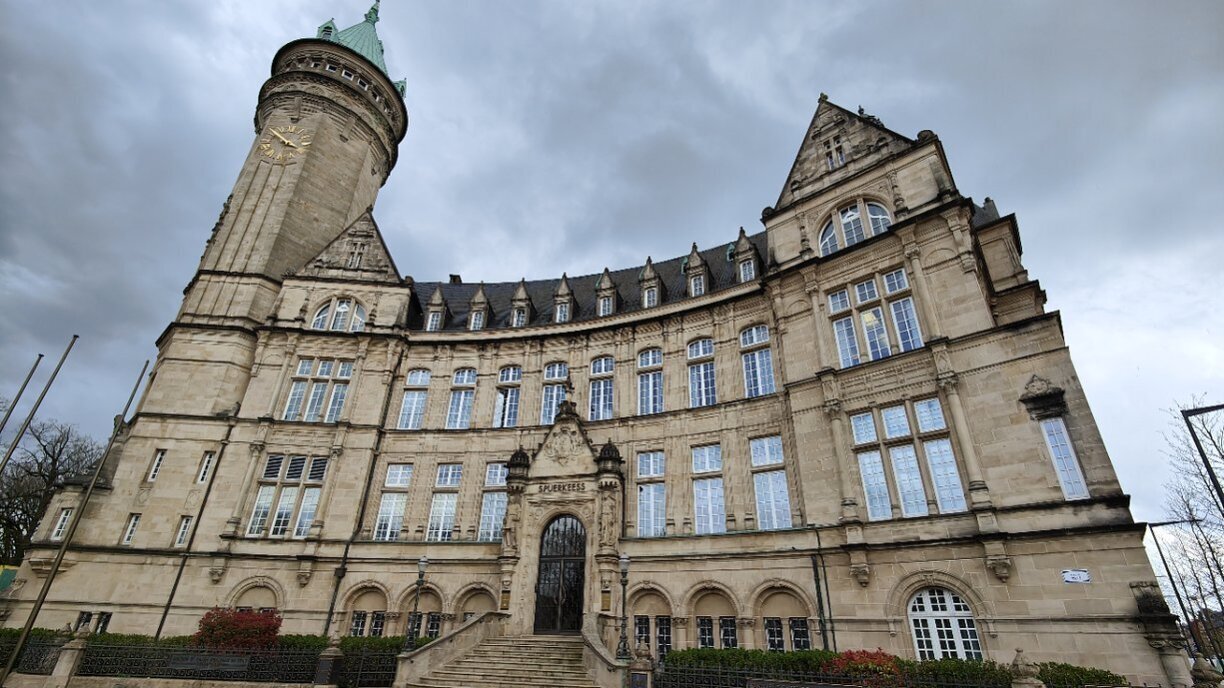
However, the site does not contain any information on remuneration. Nor do the annual reports. You might have better luck consulting the annual balance sheet filed with the commercial register. For instance, in the balance sheet of the BCEE (Spuerkeess), total board expenses are listed. For nine members, including the supervisory commissioner, the figure stood at €525,585 last year. That works out to nearly €60,000 per person, although the chair may receive more, and the amounts may vary among members. According to the annual report, remuneration consists of jetons de présence per-meeting and a flat-rate quarterly payment.
At ArcelorMittal, the figures are more generous: the annual report lists an amount just shy of €1.5 million, which would correspond to more than €160,000 per person. Former Deputy Prime Minister Etienne Schneider (LSAP) sits on the steel company’s board, but as an independent, not as a state representative. The state holds only 1.5% of shares in the company.
It is worth noting that board fees are paid as gross income and are subject to tax and social contributions. For example, according to Luxembourg’s tax authority, a dividend received by someone with a gross annual income of €150,000 in the City of Luxembourg would incur an overall tax burden of more than 48%.
While some companies such as ArcelorMittal and Spuerkeess disclose a total global amount spent on board compensation, other public entities provide little to no information. For example, Cargolux’s reporting is less transparent, and several public institutions do not appear to publish any detailed annual accounts.





