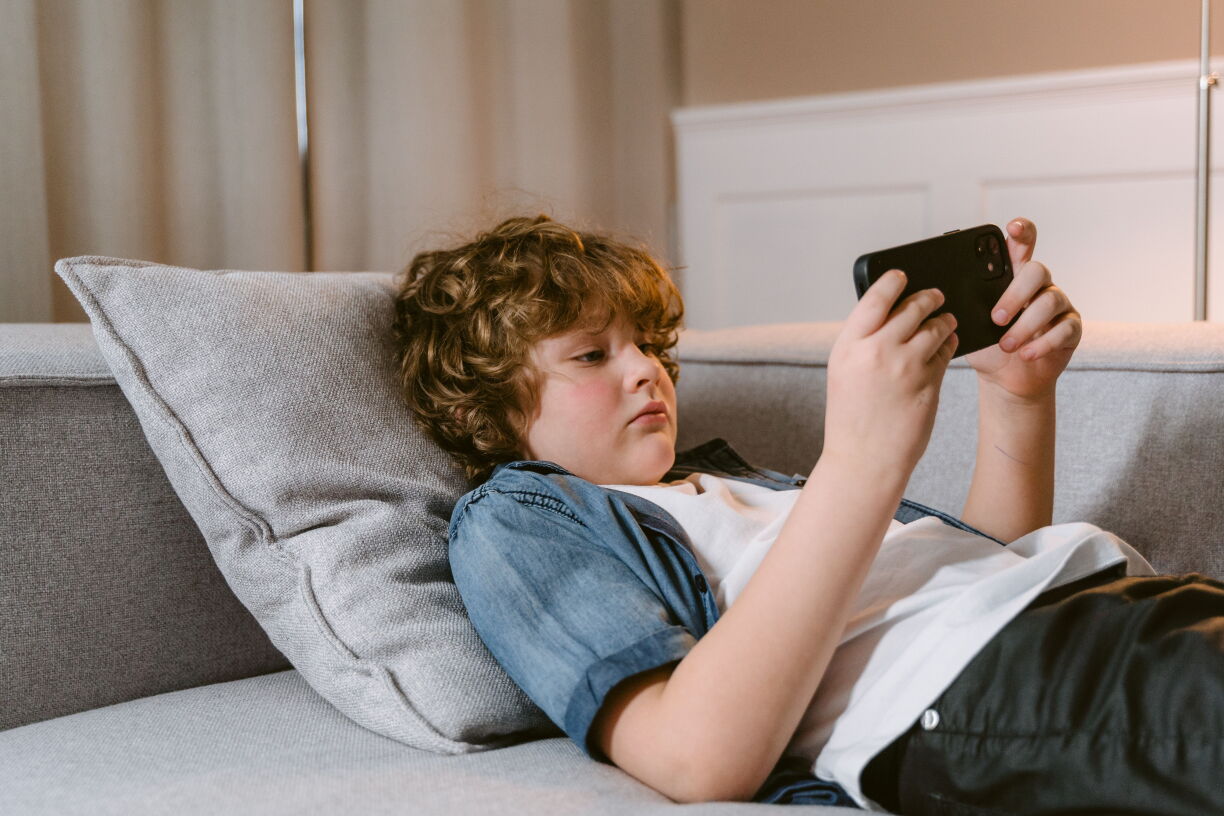
Children in Luxembourg’s schools spend much of their day sitting down - on the bus, in class, on the way home, and even during extra activities such as music lessons. Unless physical education is scheduled, opportunities for movement are few and far between.
At the opening of the Luxdidac education fair on Tuesday evening in Bonnevoie, the National Teachers’ Syndicate (SNE) raised the alarm about a growing lack of exercise in young people.
The SNE highlighted the importance of giving children and teenagers more opportunities to be physically active. Without urgent action, the union warns, rising obesity among children will only worsen.
SNE President Patrick Remakel argued that increased physical activity could also support improved academic performance, emphasising the connection between a healthy body and a healthy mind.
The main question for schools is how to incorporate more movement into the school day.
Remakel also pointed out that the first step is to focus on physical education itself. He explained that suitable sports facilities need to be available locally, so that children do not lose valuable time travelling.
The issue, he said, is not a lack of quality, but rather a lack of time for physical activity within the timetable.


Beyond physical education classes, the SNE president advocated for the concept of the "active school". This approach would make movement a regular part of the school routine, not just an activity limited to sport, by weaving it into daily teaching across all subjects.
The Education Ministry supports this approach, noting that research consistently shows students retain information better when learning is combined with movement.
The idea is not to punish children for mistakes by making them do exercises, but rather to integrate movement creatively into lessons.
For example, children might sing or dance to vocabulary words, or use jumping when learning numbers and maths. The Ministry has provided schools with both materials and training to help teachers incorporate movement not just in physical education, but throughout the regular curriculum, even for the youngest children.
Further measures include the introduction of a third hour of sport in lower secondary schools and increased opportunities for physical activity in after-school care
Raoul Scholtes, president of the Federation of State Service Academics (Feduse), also pointed out that parental involvement is key: effective collaboration and communication between parents and schools are essential for supporting children’s activity levels and education in general.
Where such cooperation is lacking, problems are more likely to arise.
Finally, SNE President Remakel emphasised that children, unlike adults, do not need reminders from a smartwatch to move more; instead, the right environment can naturally encourage activity.
This year’s Luxdidac fair features both national and international exhibitors presenting school furniture and materials specifically designed to help children stay active, rather than forcing them to sit still for hours at a time.





