In a recent study, the Centre for Intercultural and Social Studies and Training (CEFIS) and the Luxembourg Institute of Socio-Economic Research (LISER) analysed which individuals are affected by racism and discrimination in Luxembourg and how racism manifests in the country.
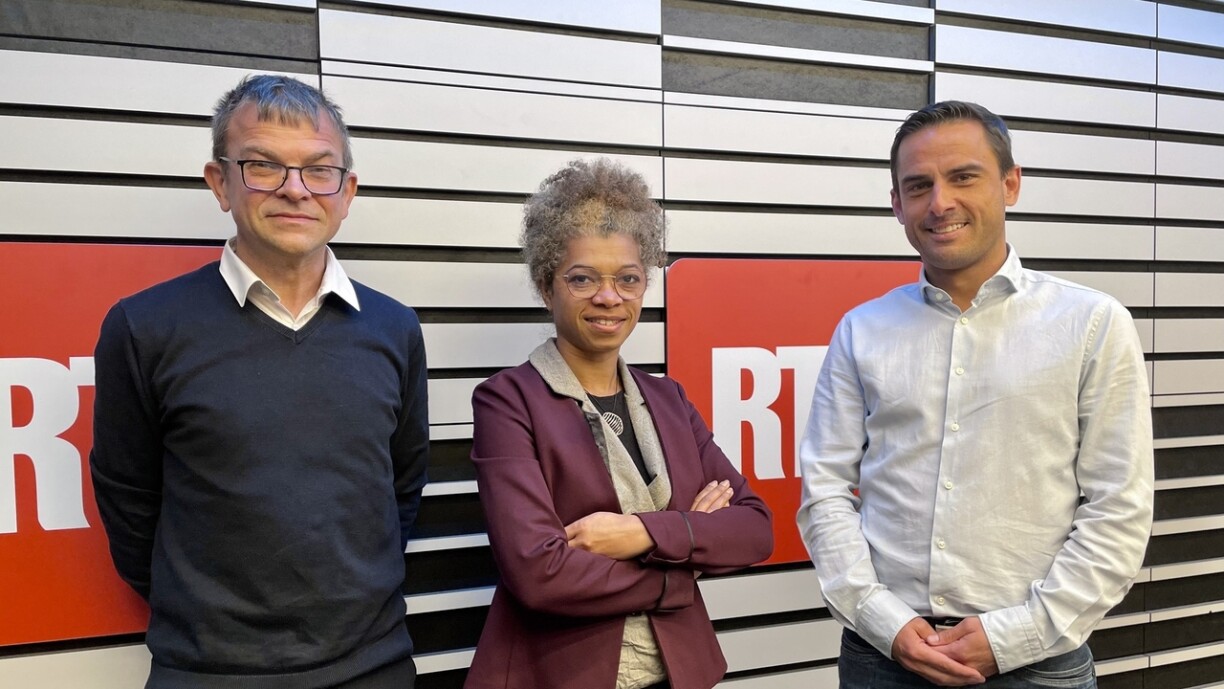
The study "certainly presents a chance to improve something", according to Antonia Ganeto from the Luxembourg Network of Afrodescendants (Finkapé). However, Ganeto pointed out that it is difficult to properly assess the study for the time being, as it has yet to be presented to experts. The Finkapé spokeswoman also argued that the study is more about discrimination than racism, which are "not the same thing". Overall, Ganeto stated that a greater emphasis should be put on awareness campaigns to improve the situation.
Sylvain Besch from CEFIS confirmed that there are "a few sensitive sectors" where the problem is more pronounced: work, school, and the housing market. People with a different skin tone, Muslims, and people with Portuguese origins are disproportionately discriminated against. Besch explained that the study showed a particularly tense situation on the housing market, in which one group is frequently pitted against the other. However, the CEFIS expert stressed that racism is a "universal and systemic problem" that affects people of all socioeconomic backgrounds.
DP MP Max Hahn, who also serves as the President of the Parliamentary Committee on Integration, remarked that politicians are aware that the situation, particularly in terms of integration, needs to be improved. Nonetheless, Hahn noted that Luxembourg is a "pluricultural country," with 47 percent non-Luxembourgish nationals and even more residents with a migrant background.
One way to combat discrimination would be to push for more "anonymous" CVs, which remove criteria like a foreign name or skin tone from the equation and instead "force" companies to focus more on abilities when determining who to invite for a job interview.





