The KPL said the decision to move the next indexation from August 2022 to April 2023 needed to be reversed, and the population's purchasing power needed to be strengthened. Among other things, the KPL suggested an advance index tranche of 1.5%, as well as a direct adjustment of the tax table in line with inflation. In addition, the increase in administrative tariffs should be frozen and excise duties and VAT on energy prices should be radically reduced.
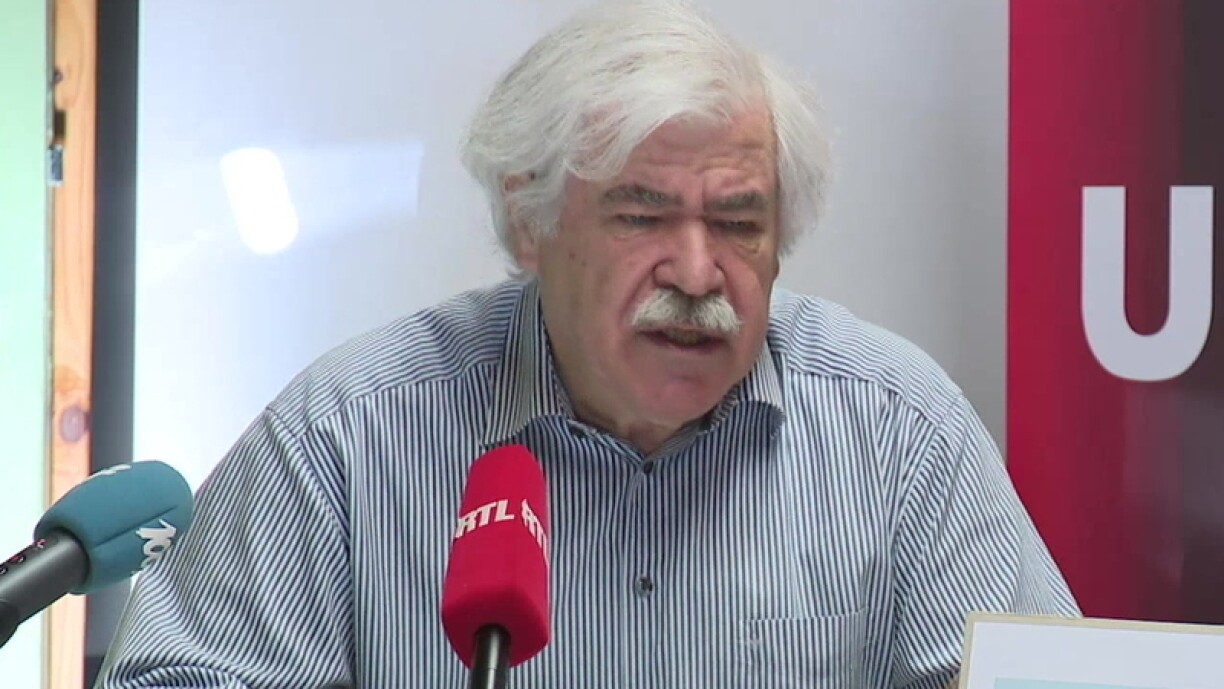
When asked if the measures would not exacerbate inflation, KPL president Ali Ruckert responded that it was a "lie" by employers. The Chamber of Employees has shown that the index has virtually no effect on price increases, he added, and claimed the index is a mechanism to compensate for the subsequent loss of purchasing power.
Ruckert said the index should not be used as an instrument to determine social policy. In order to combat wage inequality, he said it was vital to raise the minimum wage, as this measure would not harm businesses. He said employers have been claiming for 50 years that the latter would damage businesses, but if that were the case, they should make their accounts public. Ruckert also said it was upsetting that at the same time the indexation was delayed, a Luxembourg bank reported profits of several hundred million euros and distributed over 100 million euros to its shareholders. "It's a redistribution of working people for big business," the KPL president concluded.
The Communist Party has therefore decided to join the OGBL for the 1 May protest march. Ruckert said he hoped the campaign would become a "powerful wave" against index theft and social degradation.





