The IMF warned that tax reforms must not result in a loss of revenue for the state budget. Economists recommend a regular adjustment of the tax scale to inflation. If this is done retroactively, as is currently the case, it must be budget neutral, so expenses must be reduced to the same extent.
The IMF also pointed out that the announced reduction of corporate taxes could result in a loss of government revenue, without necessarily meeting the target of attracting new businesses.
As for the government's housing and construction sector measures, the IMF said that although these could help to restore confidence, they could also impact housing prices following a boost in demand. This in turn could make housing less affordable for households and risk forcing residents into more debt. The government was advised to prioritise its investments in social and affordable housing.
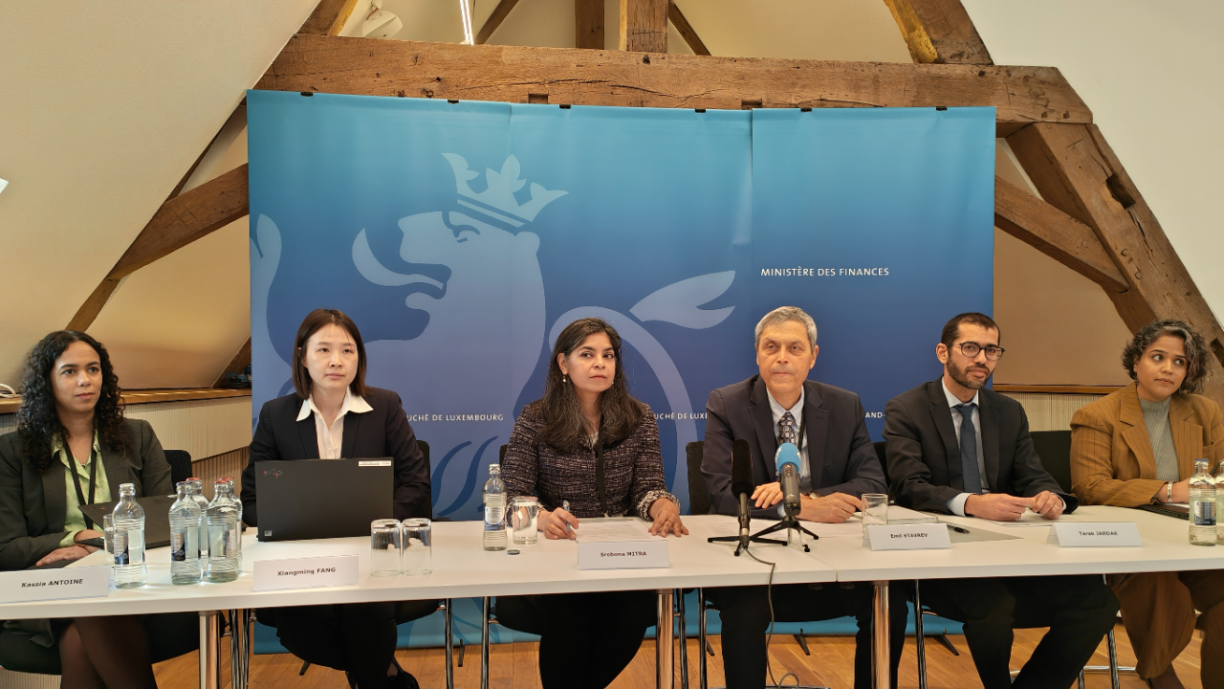
"These measures should be much more targeted," said Emil Stavrev, IMF head in Luxembourg. "We recognise that the government has to support different groups of the population, primarily those with low incomes, or those needing affordable housing. However, we see that some of the proposed measures are not sufficiently targeted."
The IMF said it welcomed plans to hold a broad debate on pensions in future, which could help give legitimacy to a reform, and said it was better to address reforms now than to have to take serious measures later.
"We can understand that pension reform is no simple matter, but we also think it is important to act sooner rather than later, or to keep postponing the reforms. International experience shows that reforms end up being more expensive if a country delays its reaction, compared to proactive countries who act first."
Report in Luxembourgish:





