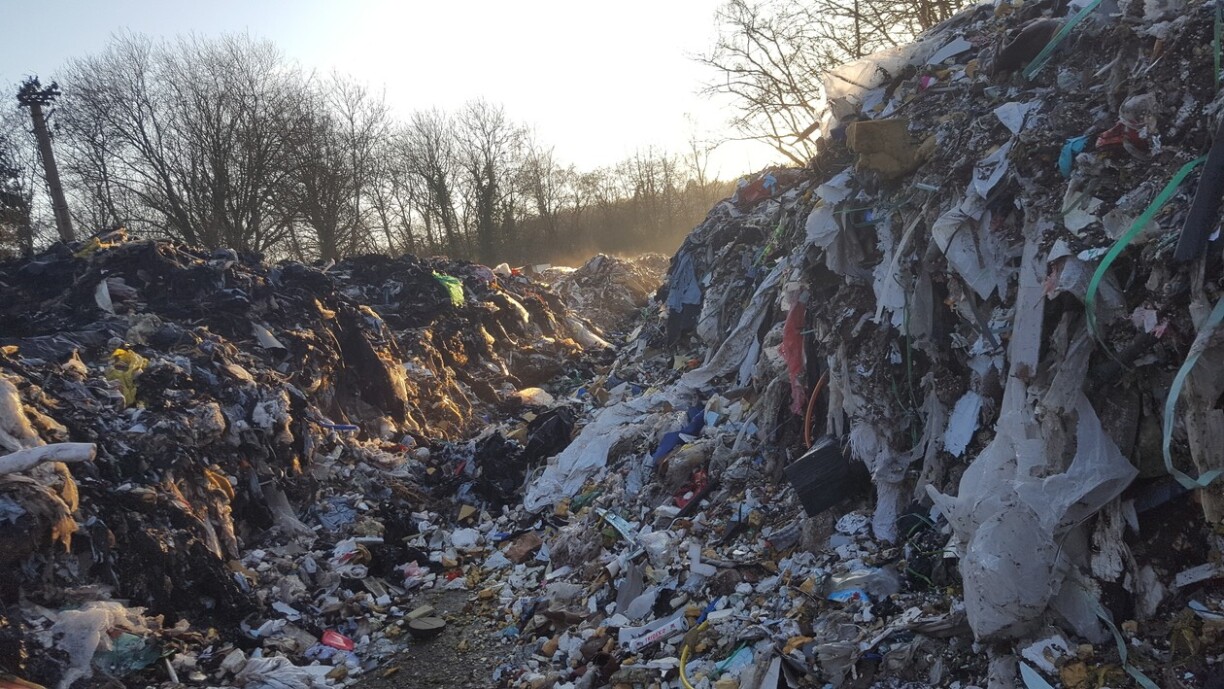
Two and a half tonnes of waste were intercepted in less than two hours by French and Luxembourg authorities last week, at the Micheville roundabout in Audun-le-Tiche.
The border operation revealed the extent of illegal waste dumped in northern Lorraine.
This time, it was a Luxembourg truck loaded with 2 tonnes of rubble, as well as the driver of a van with 500 kg of garbage bags, who were caught and fined according to the Républicain Lorrain.


In the border town of Rédange, for example, 200 tonnes of waste have been rotting on private property since last October.
Jessica, member of the citizen collective "J'aime ma forêt", said the waste consisted of all sorts: plastic, food, paint cans, paper, clothing...
Local residents fear pollution of the surrounding rivers . The mayor, Daniel Cimarelli, said he shares this concern as the landfill is situated near local sources of drinking water, just 100 metres from the pond connected to the Beler river, which joins with the Alzette.
Documents found in the landfill have shown that the rubbish comes from as far away as Antwerp in Belgium, nearly 250 kilometres from Rédange. The names of two Belgian transport companies have come up often in recent times: Mondial Services and Jost Group.
In a statement, Jost Group (a Belgian business with Luxembourg headquarters) offered their version of events. They accused their client, Mondial Services, active in the recycling of industrial and toxic waste, of having changed the destination of the waste; first by reversing the place of loading and destination (Brecht - Gewule), to redirect it to Thionville, then Saulnes or Rédange in France.
However, some have found this explanation doubtful. Jessica pointed out that although the company has passed on the blame, trucks are still being caught in the act, from the same companies, dumping the same waste.
Cimarelli agreed, pointing to photographic evidence of trucks hailing from Jost Group. He called it a quasi-mafia organisation, as the trucks can cross borders without impunity as they are not checked. "
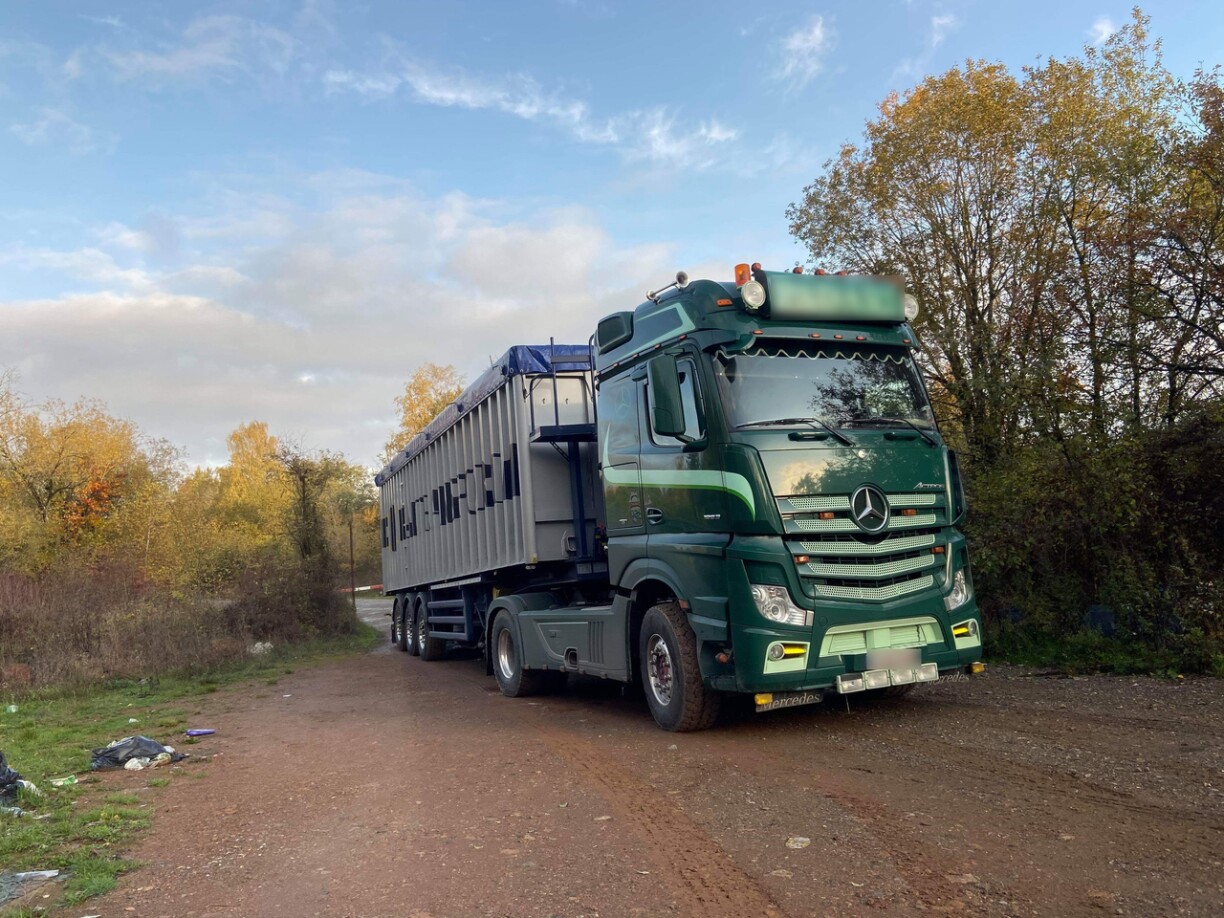
Both the local authorities and the owner of the affected land have lodged complaints, but they appear to be in vain. When questioned why the municipality has not disposed of the waste itself, as was the case in Hayange, the mayor explained they did not have the means and required subsidies.
He also refuted suggestions of "barricading" the site, pointing out it would be impossible to fence off vast amounts of forest. However, he did not oppose the idea of an inter-municipal waste policy, suggesting mounted teams of community police.
Jessica said she hoped for similar action to Hayange, where the transporters responsible were ordered to collect the waste on 9 January. She deplored the ongoing situation and expressed concern for wildlife, which is endangered by the waste.





