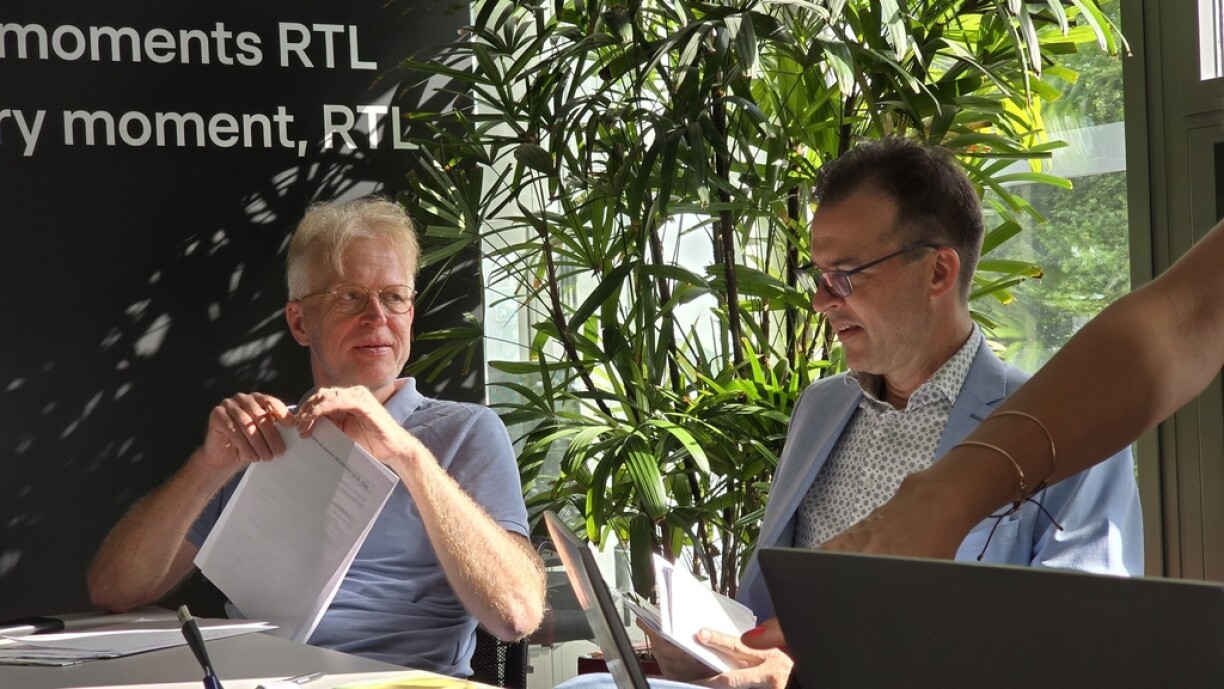
Even if he was well aware of his imminent retirement, his last few days in the office 'certainly felt strange,' Guy Weber notes.
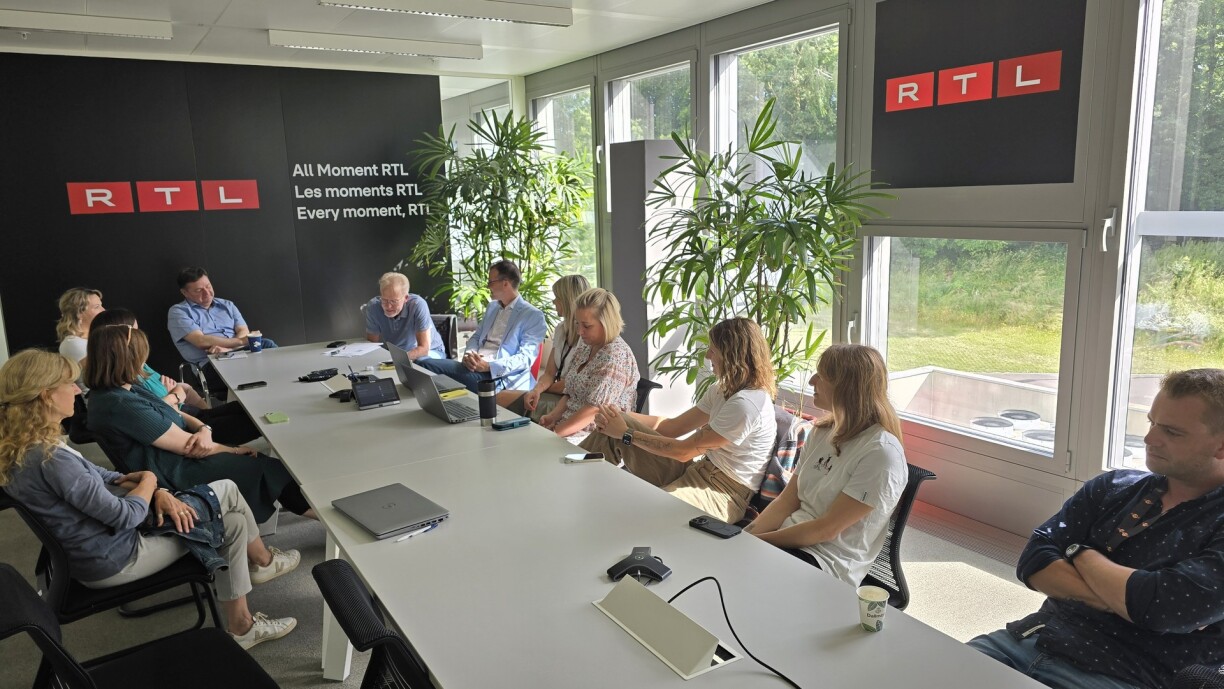
"I've been preparing for this day for quite some time now: Riding my bike to work for the last time, heading into my last news directorial meeting, my last moments being with the team."
This year's European elections were the 20th elections Weber witnessed as a journalist and so he believed it was the right time to step down.
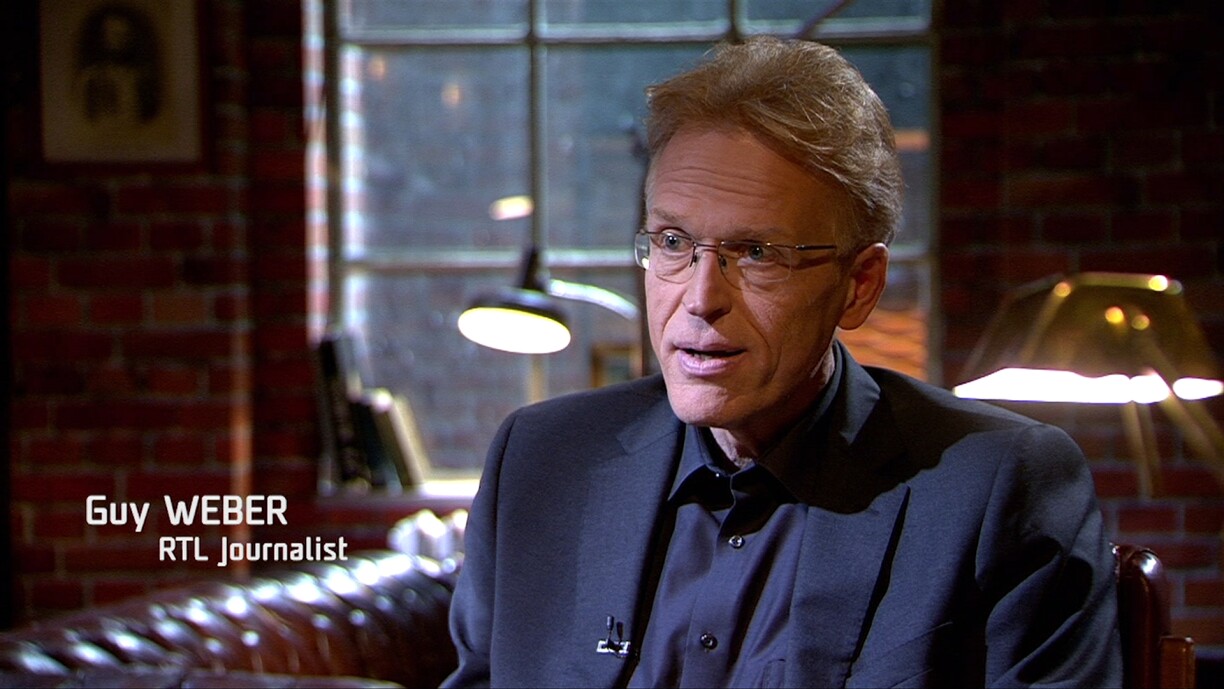
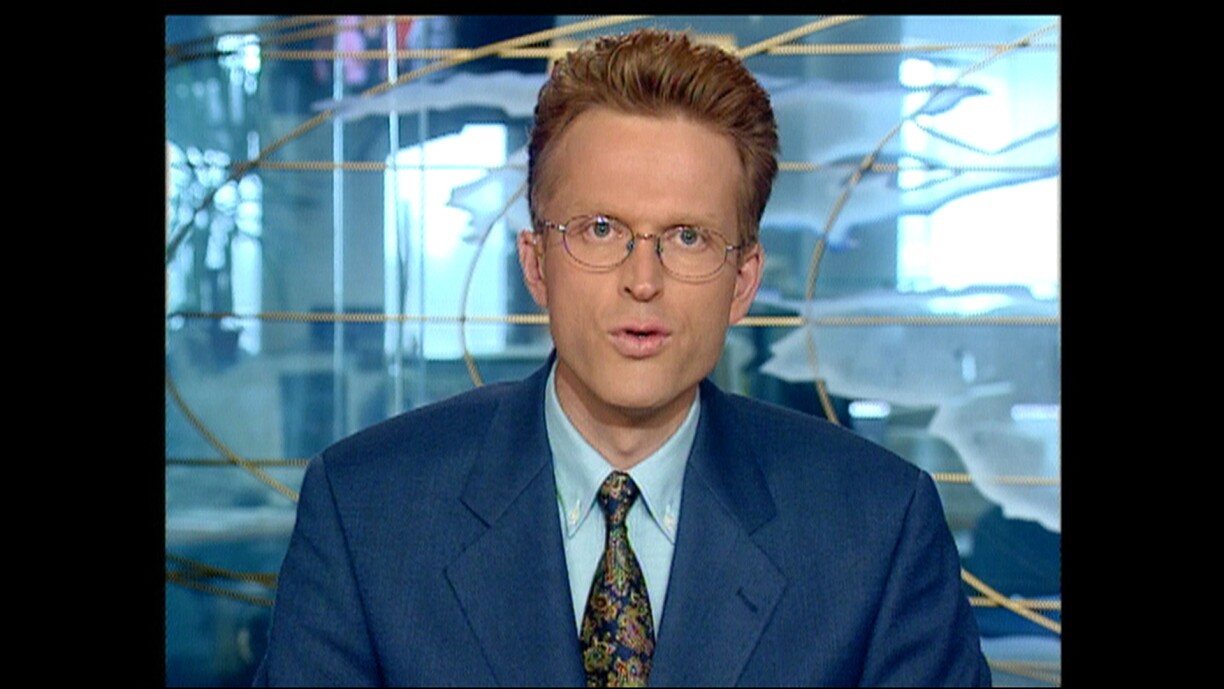
'I took part in every possible role at RTL as a journalist,' says Guy Weber. From reporting on sports to presenting the news on television, Guy Weber left no stone unturned.
As a journalist, he also had the honour of interviewing several historic figures including Yasser Arafat, Václav Havel and Lech Wałęsa.
One of his most treasured memories was the successful first ever crime television series in Luxembourg. When thinking back to his DNA days, he fondly remembers: "I mainly think about all the work we did together as a small team. I also met individuals that were truly remarkable. One woman particularly stands out to me: surviving an encounter with Luxembourg's only serial killer, then coming forward to testify against him? Now that takes courage."
His work as a journalist took him to all corners of the world, from Nicaragua, Burkina Faso, to South Korea.
According to Weber, journalism needs to go back to its roots.
Journalism is not about being a spokesperson for authorities. It is crucial to make an effort to break down the consequences of political decisions to the average person. As a journalist, you serve the public, and therefore it's imperative to establish and grow the trust between people and the media.
"Trust can only come when people that listen, watch and read our stories actually feel listened to as well"
A good journalist is critical, hungry and curious.
In the age of social media, traditional media still has a vital role to play. Their responsibility is to inform people accurately and provide context to current events. One must not make the mistake of assuming everyone knows everything. Besides informing and explaining, the media must also investigate and uncover hidden realities:
"Investigative journalism is the most challenging part of it all, but it is precisely why traditional media exists."
"I've sometimes dealt with very complex cases where, in hindsight, I thought perhaps they weren't entirely ready for publication," said Guy Weber when asked if there were ever more challenging moments in his career.
"Depending on whom you're dealing with, they might have an army of lawyers just waiting for you to make the smallest of mistakes to tear you apart. This, however, never influenced me because I refuse to be influenced."
As a journalist, especially in investigative cases, there are always a few key considerations he keeps in the back of his mind: "It must be balanced, it must be accurate, the facts must be verified, and it should always be about the facts, not emotions."
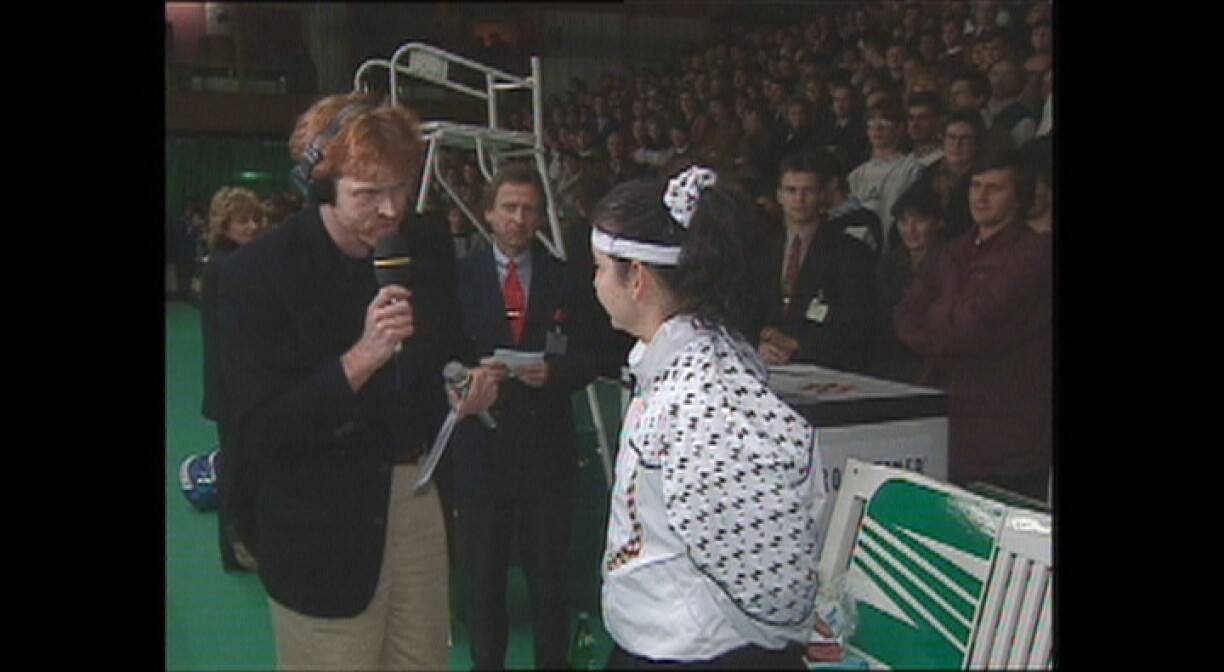
The toughest challenge the Mondercange-native faced was in 1994, while covering a huge tennis tournament, still green to working on television.
During an interview with former tennis great Martina Navratilova, things took a bad turn when the world class tennis player gestured that she wanted to throw a glass of water over Weber:
"I had asked a question that might not have been well-received. In my opinion, my question was misinterpreted. As a young journalist, that was something that really left an impression on me. The question was essentially about whether Martina Navratilova was planning to retire."
Guy Weber was booed by the audience as a young journalist, which was to him arguably the most embarrassing moment of his career.
Once a journalist, always a journalist, according to Guy Weber. After taking a lengthy break, Weber hopes to work independently as a journalist, particularly covering unsolved criminal cases. A huge advantage of being in retirement is time. "This is a dream come true for any journalist, having an abundance of time."
Guy's true love will always be his bicycle and he hopes to spend a lot more time with his bike in the upcoming weeks and months. But he also hopes to travel and explore the world more and to finally read a book from start to finish in peace (If readers have any suggestions for Guy's retirement to-do list, feel free to leave them in the comments).
Speaking of the comment section, commentators speculated that Guy Weber was using the name 'Matteo' to speak on his own behalf in his widely-read article on a cyclist receiving a fine after taking a tight turn.
In the RTL comments under the article, there was a recurring theory that Guy Weber himself was the cyclist in question. In a fact-check, the retired RTL veteran clarified: "It didn't happen to me, because I would never comment on myself."
And hereby, this case is resolved. However, Guy Weber, who drives both a car and a bike, still wishes for more respect on the road.
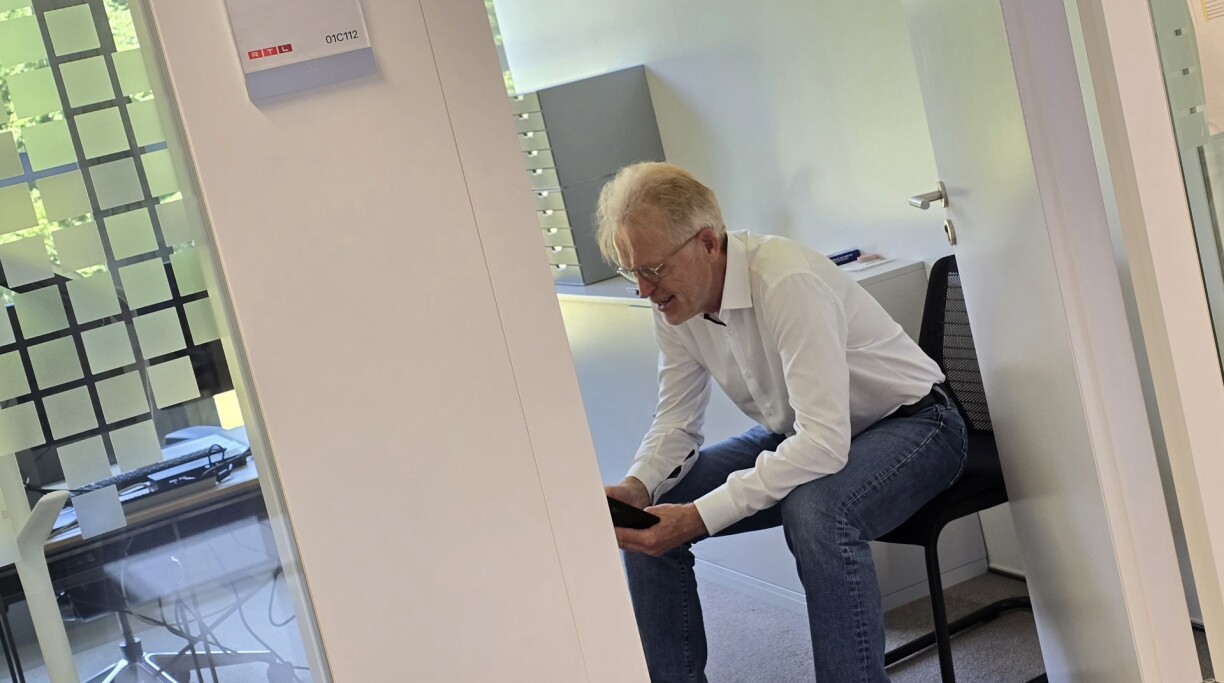
Guy Weber worked for RTL for 32 years, starting his career in radio. After a brief stint in the private sector, he returned to RTL Television in June 1994 as a journalist. In 2017, he became the Editor-In-Chief of the television division and later the News Director, with a mission to establish a cohesive news editorial team. On Monday, Luc Marteling will take over the role of News Director. This transition has been prepared over several months, as Guy Weber mentioned in his Sunday interview.





