As a plethora of false stories, rumours and advice purporting to be from "friends of doctors" continue to saturate social media, it is important to remember to exercise caution when sharing such updates.
The concern with such false information is that it will undermine official government advice and health guidelines, and prevent efforts to suppress the spread of the virus.
It is therefore best to stick to official sites and verified media sources.
On RTL Today you can consult our daily live ticker, collating updates from around the world in real time.
The official website of the Luxembourg government on the coronavirus is updated regularly and contains all health guidelines and protective measures taken by the authorities.
The official site of the French government responds to frequently asked questions.
The Belgian government website also contains useful information.
The World Health Organisation (WHO) site has a large number of resources and information surrounding COVID 19. It also has a useful article on identifying fake news online.
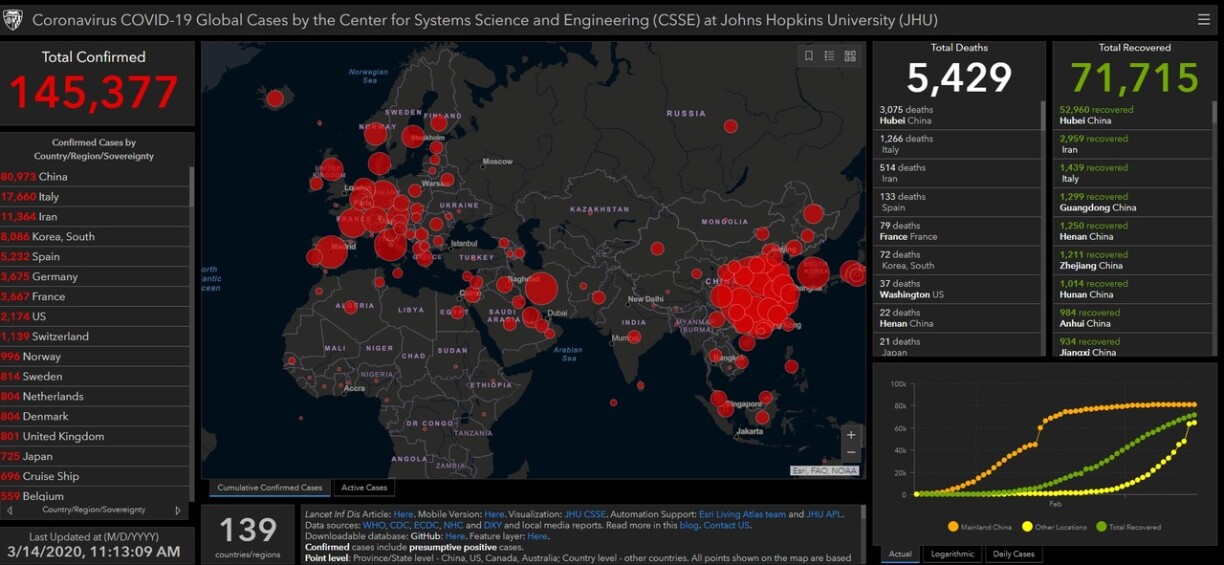
The most well known map is by Johns Hopkins University, listing daily cases of the coronavirus around the world.
The France public health website also offers key figures, interviews with experts, and questions and answers.