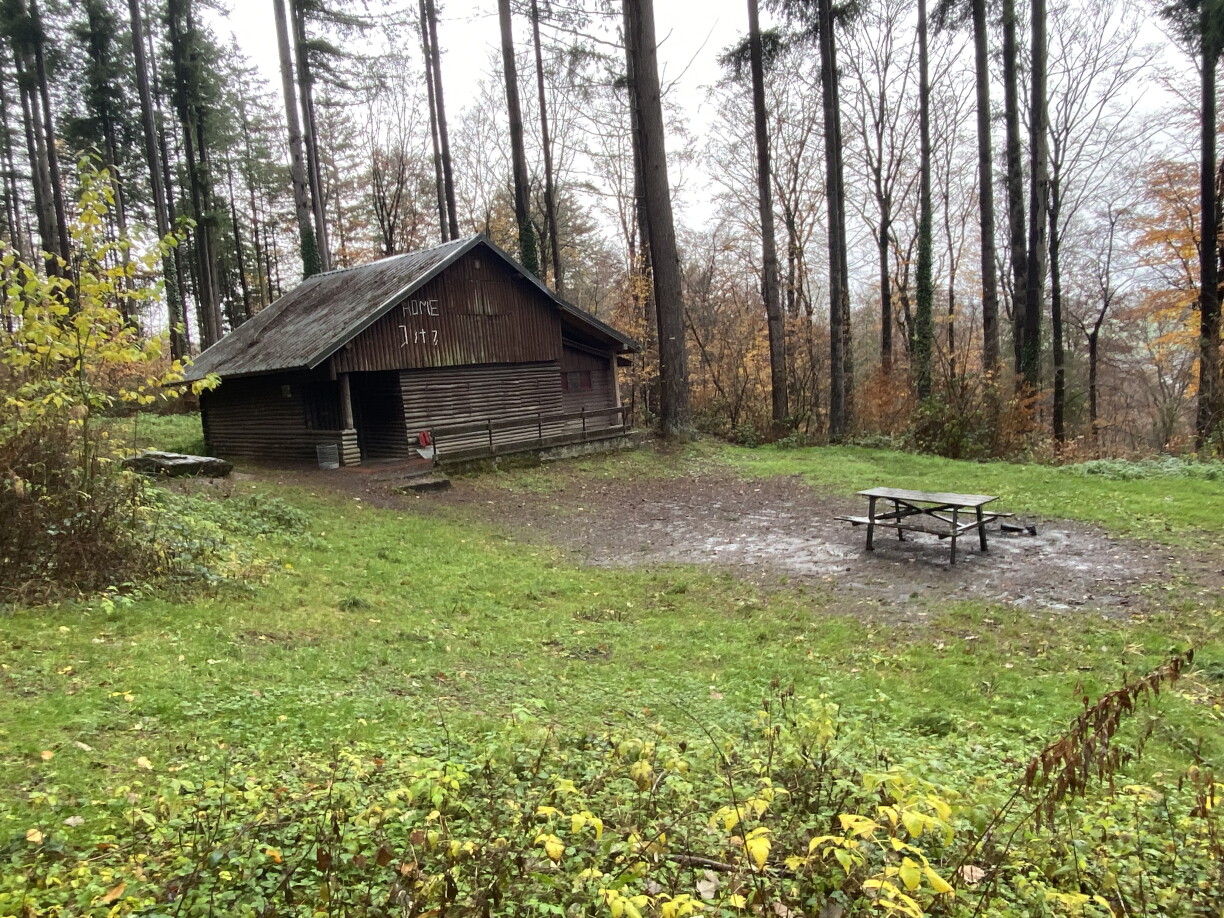
A group of approximately 20 young men recently gathered at a chalet in Wiltz where they burned books by Jewish authors and celebrated Adolf Hitler’s birthday.
The incident, captured on hidden camera by Belgian and Dutch journalists, has shed new light on the methods used to recruit young men into the neo-Nazi scene.
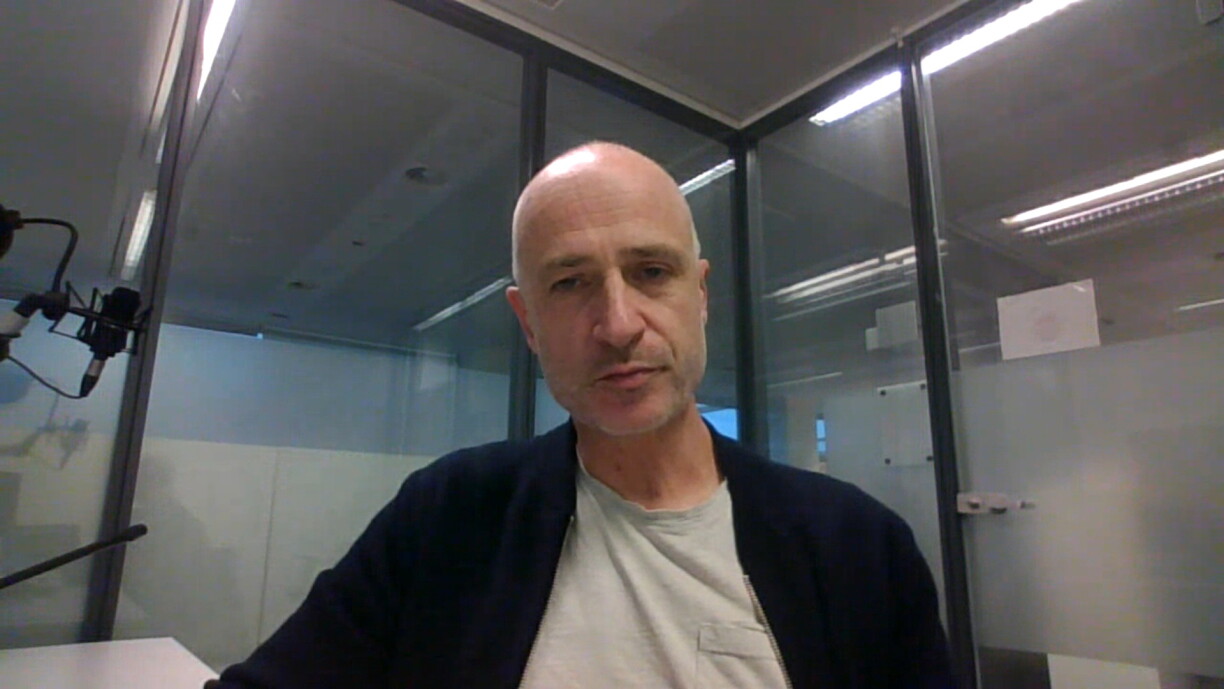
The footage is the result of a year-long investigation by Stefaan Meerbergen, a journalist at VRT Television, and a Dutch colleague. Their objective was to understand how and why young men are radicalised into neo-Nazi ideologies and organise annual celebrations of Hitler’s birthday.
Meerbergen noted that the investigation was driven by an inside source and two primary leads. First, rumours circulated in encrypted messaging apps that the far-right group "Wolvenrad" was planning to travel to Luxembourg for the event. Second, the journalists traced publicly available photos and videos within these channels. "We had photos, and we used them to begin our search for the location," Meerbergen explained.
Using artificial intelligence to analyse the imagery, the team identified the specific chalet in Wiltz. On a Saturday morning, the journalists concealed several cameras in and around the property, including in the surrounding trees. Hours later, the gathering commenced. Footage captured attendees chanting "Sieg Heil," displaying swastikas, and lighting a large bonfire. The journalists, who also filmed from the woods, expressed surprise that the conspicuous fire and loud chants went unnoticed by the wider public.
Despite his extensive research into the far-right, Meerbergen expressed concern over the normalisation of extremist ideology among minors. "What we saw were young people aged 18 or even younger giving Nazi salutes," he said. "I had the opportunity to interview a few members of the club in Flanders and ask them why they give Hitler salutes. To them, it's become normal; it's nothing out of the ordinary. And that is worrying."
For Wolvenrad, the gathering in Wiltz was not solely ideological. It was also tied to martial arts – a connection experts say is deliberate. Recruitment into these predominantly male groups frequently occurs through so-called "Active Clubs."
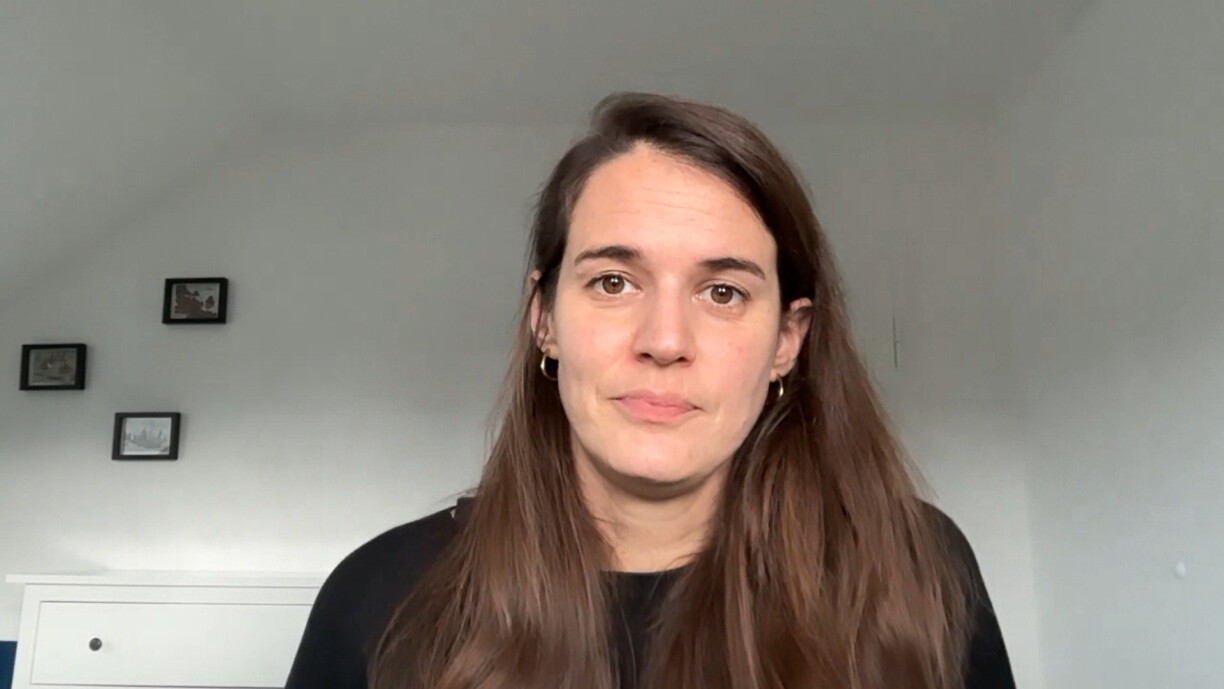
Dr Léonie de Jonge, a researcher of right-wing extremism at the University of Tübingen, explains that these organisations outwardly resemble ordinary boxing or martial arts schools. However, they merge physical training with white supremacist ideology – the supposed superiority of the white race. "It is also about being active primarily offline, making their presence felt and physically preparing for violence," Dr de Jonge stated.
She estimates there are at least 20 such groups active in Germany – a figure she considers "an extremely conservative estimate" – and around five in the Netherlands. "It is also important to point out that they are often not recognised as far-right groups because, from the outside, they look like an ordinary sports school or boxing club," she added.
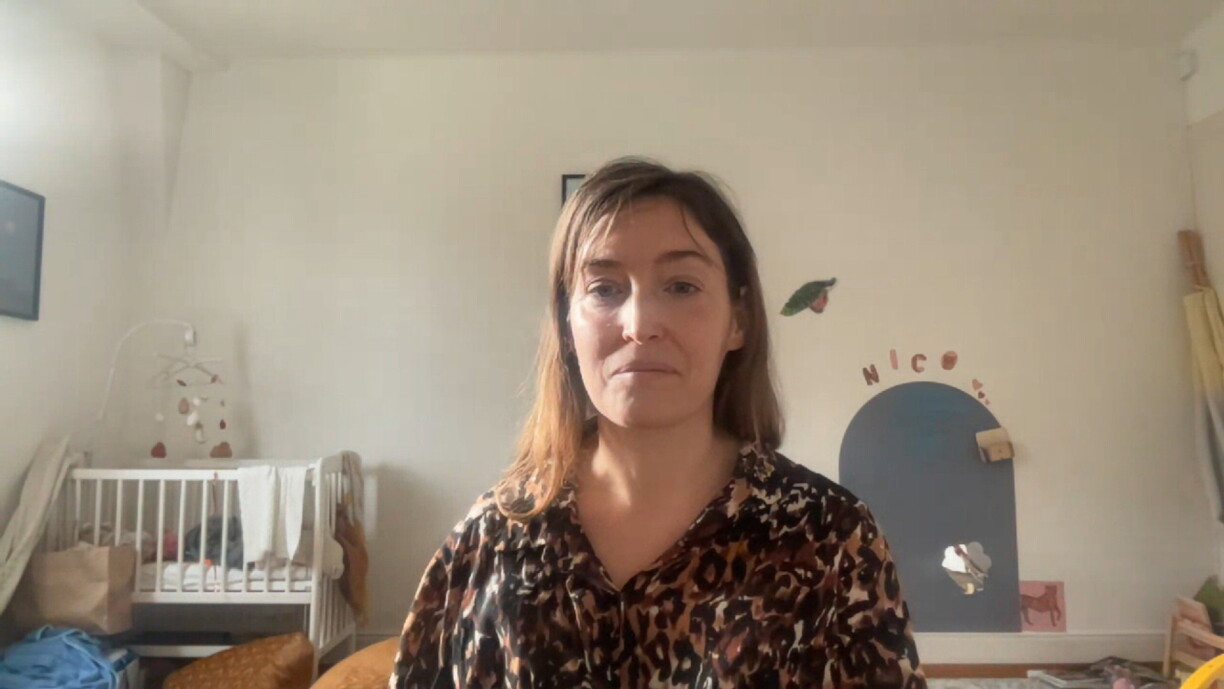
Dr Catherine Tebaldi of the University of Luxembourg also researches the intersection of physical training and far-right extremism. While emphasising that general wellness culture is not inherently extremist, she noted that far-right groups frequently co-opt these concepts to promote white supremacy and bodily superiority. In this worldview, physical fitness and appearance are falsely equated with inherent human value.
Dr Tebaldi explained that this draws on historical eugenic ideologies, such as the concept of a "master race" where the physically strongest dominate. She noted that similar rhetoric occasionally surfaces in mainstream politics, such as when figures like US President Donald Trump emphasise having the "best genes" or advocate for immigration policies based on genetic criteria. "These are openly racist ideas," Dr Tebaldi emphasised.
Active Clubs are an increasingly visible phenomenon across multiple countries. Their fights are often filmed and disseminated online, serving as a recruitment tool for young audiences. Dr Tebaldi observed that since the COVID-19 pandemic, the emphasis on physical training and bodily optimisation has become even more pronounced within far-right circles.
Because the neo-Nazi ideology of Active Clubs is often masked by a conventional sports facade, Dr de Jonge advises society to remain vigilant and take preventive measures.
She suggested several indicators for authorities and communities to monitor: Are these clubs recruiting exclusively young, white men? Do members display specific tattoos or affiliations with known extremist scenes? What underlying ideology is being promoted during training?
"We need to be extremely vigilant," Dr de Jonge stressed, adding that there is "no reason to assume that nothing like this exists in Luxembourg."
To counter this trend, she advocates promoting inclusive ideals of masculinity that reject naturalised social hierarchies in favour of equality. "Political education has an important role to play in building resistance to it and raising awareness," Dr de Jonge concluded.


