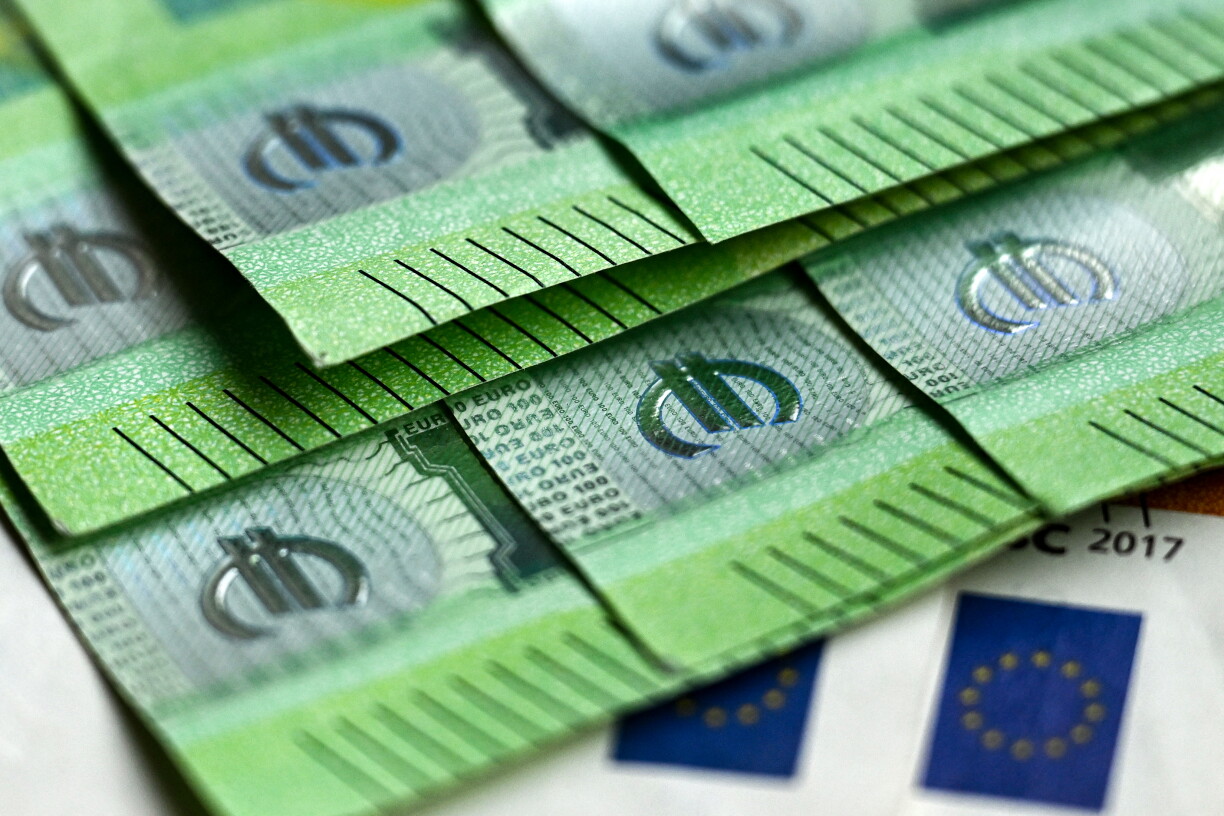
Around half a million euro banknotes are checked every day at the Central Bank of Luxembourg. In fractions of a second, modern machines decide whether a note can return to circulation or is destined for the shredder.
At the same time, the bank keeps large reserves of cash on hand, including more than 12 million new Luxembourg euro coins bearing the portrait of Grand Duke Guillaume.
Inside the highly secure vaults of the Central Bank of Luxembourg, euro banknotes that have already been in circulation are authenticated, counted, and inspected by specialised machines.
Each machine can process up to 33 banknotes per second, equivalent to around half a million notes a day. Based on criteria that are identical throughout the euro area, the machines decide whether a banknote can return to circulation or must be withdrawn.
The machines also detect counterfeit notes. Unlike worn or damaged banknotes, these are not shredded but removed from the process and reported to the police.
Banknotes that are too damaged, dirty, or crumpled are destroyed and replaced with new ones. Every year, around 8,000kg of banknotes end up in the shredder. In Luxembourg, the resulting confetti is incinerated in Leudelange.
Elsewhere, however, shredded notes have been explored for other uses, including insulation and garden furniture, while the European Central Bank has also looked at whether the material could be incorporated into road asphalt.
A euro banknote has an average lifespan of between one and three years. The €5 note wears out particularly quickly because it changes hands so frequently.
The €500 note, meanwhile, is no longer produced because of concerns that it could facilitate illegal activities. When one is returned to the central bank, it is withdrawn from circulation and destroyed.
Behind thick security doors, the central bank stores its logistical reserves of freshly produced banknotes and coins, packaged according to denomination.
Among them are the new Luxembourg euro coins bearing the portrait of Grand Duke Guillaume. More than 12 million have been minted at the Monnaie de Paris facility near Bordeaux.
Although more and more people are paying by card, cash remains important, particularly in times of crisis. Demand increased during the 2008 financial crisis, the Covid pandemic, and at the beginning of the war in Ukraine.
The major power outage affecting parts of Spain and Portugal also highlighted the importance of physical cash, as digital payment systems and cash machines stopped working.
Most of this work happens behind closed doors, but its purpose is simple: to keep cash reliable, available, and ready when it is needed most.





