Luxembourg's hospitals managed to cope with the latest heatwave, but temperatures of more than 30°C in some patient rooms, increased pressure on emergency departments and reliance on staff volunteering for extra shifts have highlighted the need for better cooling infrastructure and contingency planning.
As heatwaves become increasingly frequent, the Health Directorate and hospitals are looking at how to better protect patients and staff during periods of extreme heat.
One of 15 air-conditioning units recently purchased by the Health Directorate following the latest heatwave has now been installed in the waiting area of the emergency department at the children's hospital of the Luxembourg Hospital Centre (CHL). The units were ordered for hospitals across the country.
The cooling ceilings at the children's hospital were not sufficient during the extreme heat. In some rooms, temperatures of up to 28°C were recorded during the heatwave at the end of June, according to Zoé Kabanda, head of the emergency department at the children's hospital.
Elsewhere at the CHL, temperatures exceeded 30°C in some patient rooms. Despite the difficult conditions, hospital director Dr Martine Goergen said the situation had been managed without major problems.
She explained that, despite the difficult conditions, the hospital had managed relatively well and staff absences had not been a major issue. The emergency department and the hospital were both busy, but "we did not see any excess mortality or more people dying as a result of the heatwave than under normal circumstances".
Temporary cooling measures can only go so far, particularly in older hospital buildings that were not designed for increasingly frequent periods of extreme heat.
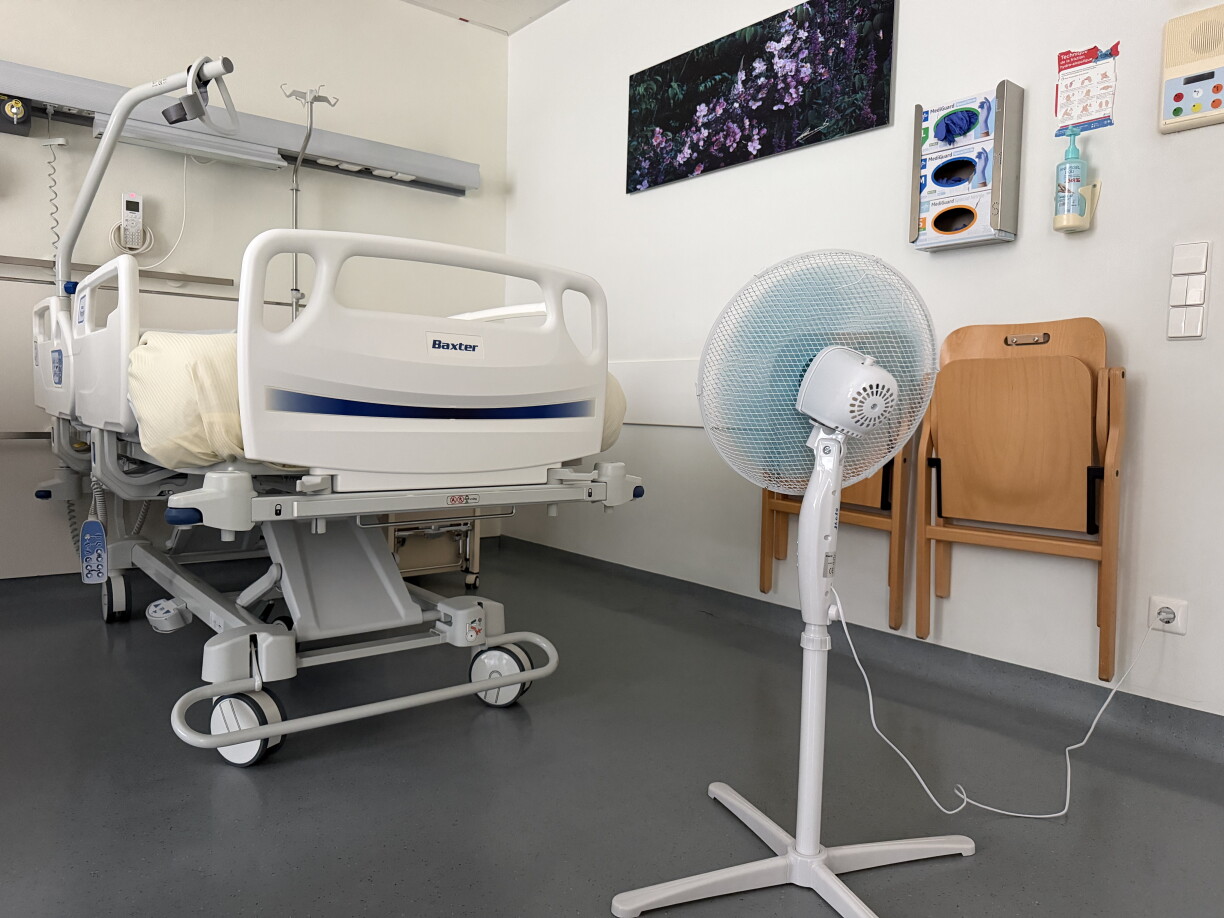
Even before the latest heatwave, the CHL had increased its stock of fans so that there was at least one in every patient room. Equipping every room with air conditioning, however, would not be possible.
Because the CHL is housed in an old building, care must be taken to prevent condensation and the subsequent development of mould, Dr Goergen explained, stressing that this too could pose a health risk.
The CHL is due to move into a new building in the capital in 2029. According to Dr Goergen, the new premises will be better insulated and designed to limit heat entering the building.
"The windows have also been designed to reduce the amount of direct sunlight entering the building, so we are first of all trying to keep as much heat out as possible. Each room will also have a cooling ceiling designed to cope with temperatures of up to 35°C", she explained.
Until then, however, the CHL estimates that it needs at least 60 additional air-conditioning units.
The 15 units it has now received have been distributed as a priority among the departments where temperatures were highest, often on upper floors, as well as in areas such as chemotherapy wards, where vulnerable patients are treated. Units have also been placed in emergency waiting rooms, where large numbers of people gather.
The Hospital Centre Emile Mayrisch (CHEM) in Esch-sur-Alzette faces similar challenges. The hospital had already purchased a number of air-conditioning units before the pandemic, and the additional units are welcome. They are used particularly in corridors on the upper floors, while a number of rooms are equipped with fans.
Like the CHL, the CHEM is also due to move into a new building with the construction of the southern hospital. But several years are likely to pass before it is completed.
In the meantime, the older CHEM buildings in Esch need to be better equipped to cope with extreme heat, according to medical director Dr Romain Schockmel.
"This is really about renewing infrastructure, including pipework and other systems, and making the changes to the buildings that are necessary to create an environment suited to patients", he explained. The cooling system, in particular, needs to be overhauled, according to Dr Schockmel.
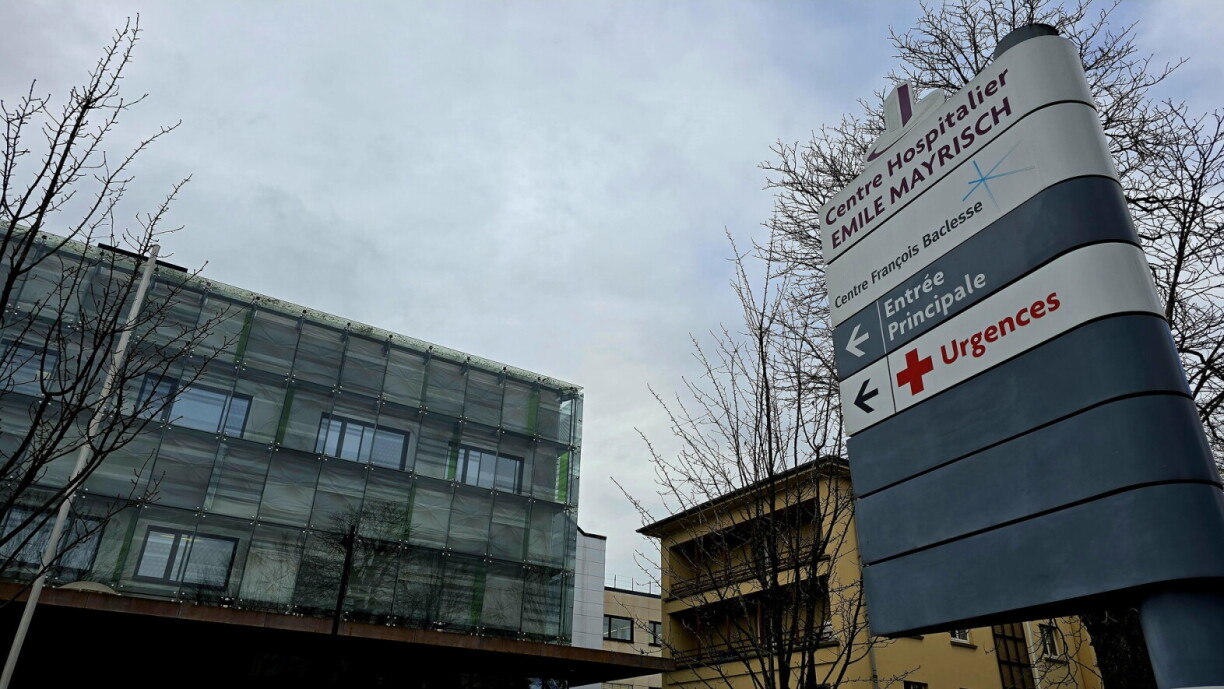
The latest heatwave also highlighted the need for more staff during periods of particularly intense heat, according to Dr Schockmel. At CHEM, hospital management relied on the solidarity of healthcare workers, many of whom volunteered to help outside their normal shifts, he said.
While management expressed gratitude for that support, lessons from the Covid-19 pandemic could provide possible solutions to staffing shortages during particularly difficult periods, Dr Schockmel explained.
"This is a somewhat similar situation, where we need to be able to respond very quickly to bring in additional staff. This has brought issues such as a health reserve back onto the agenda, along with other possibilities for making qualified staff available at short notice," he noted.
Pressure was also felt in the emergency department. During the second weekend of the heatwave at the end of June, the number of patients arriving at CHEM's emergency department increased by between 20% and 30%, according to emergency department head Dr Patrick Nrecaj.
It was not only elderly people living alone who required treatment. Dr Nrecaj noted that many younger people were also admitted after suffering heatstroke while exercising.
"What was somewhat regrettable was that many sporting activities, including club activities and others, continued during the heatwave, and that also had an impact on us."
The latest heatwave showed that Luxembourg's hospitals could cope, but also highlighted the need for better cooling, staffing, and emergency planning as extreme heat becomes more frequent.





