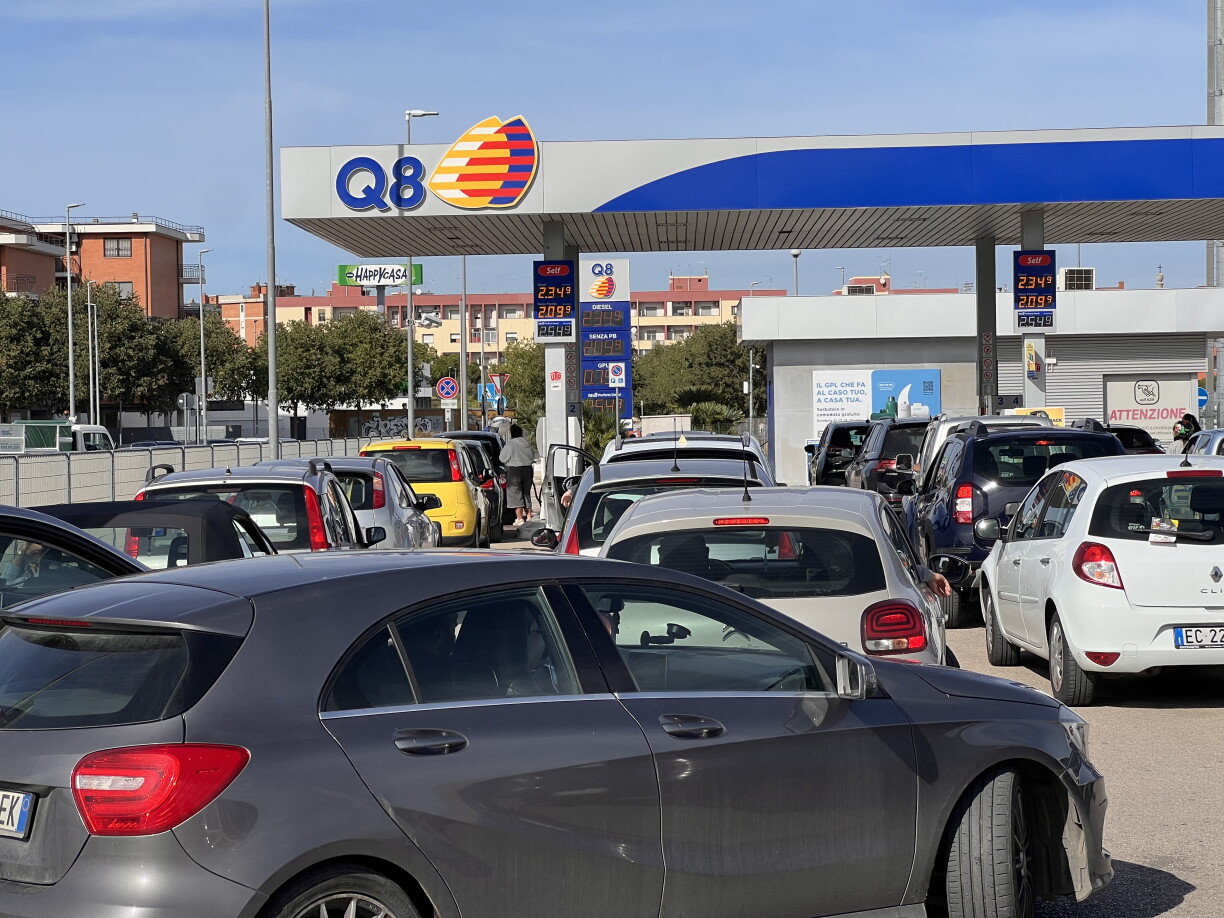
According to figures provided by the Ministry of Energy, extending the fuel discount will cost the state budget an estimated €37.5 million in lost revenue.
This figure takes into account the reduction in excise duty, while also factoring in an additional €6.6 million loss from lower VAT receipts, as the reduction of five cents per litre applies to both excise duty and VAT.
In total, the extension of the measure is expected to cost around €44 million for the second half of this year alone.
Luxembourg's tripartite meeting between government and social partners this week resulted in the decision to extend several forms of state support into 2027. Among the measures agreed on Thursday is the continuation of the current discount on petrol and diesel, which will now remain in place until 28 February 2027.
However, the ministry notes that this shortfall may be offset by a simultaneous increase in VAT revenue, which has grown due to rising fuel prices.
Based on declarations from February this year, the government estimates that VAT revenue increased by €61 million, meaning that, overall, the fuel discount has actually resulted in a net gain of around €17 million for the state.
It should be noted that VAT refunds to companies are not included in this calculation.
These details were made public by Energy Minister Lex Delles in response to a parliamentary question from MP Mars Di Bartolomeo of the Luxembourg Socialist Workers' Party (LSAP).


