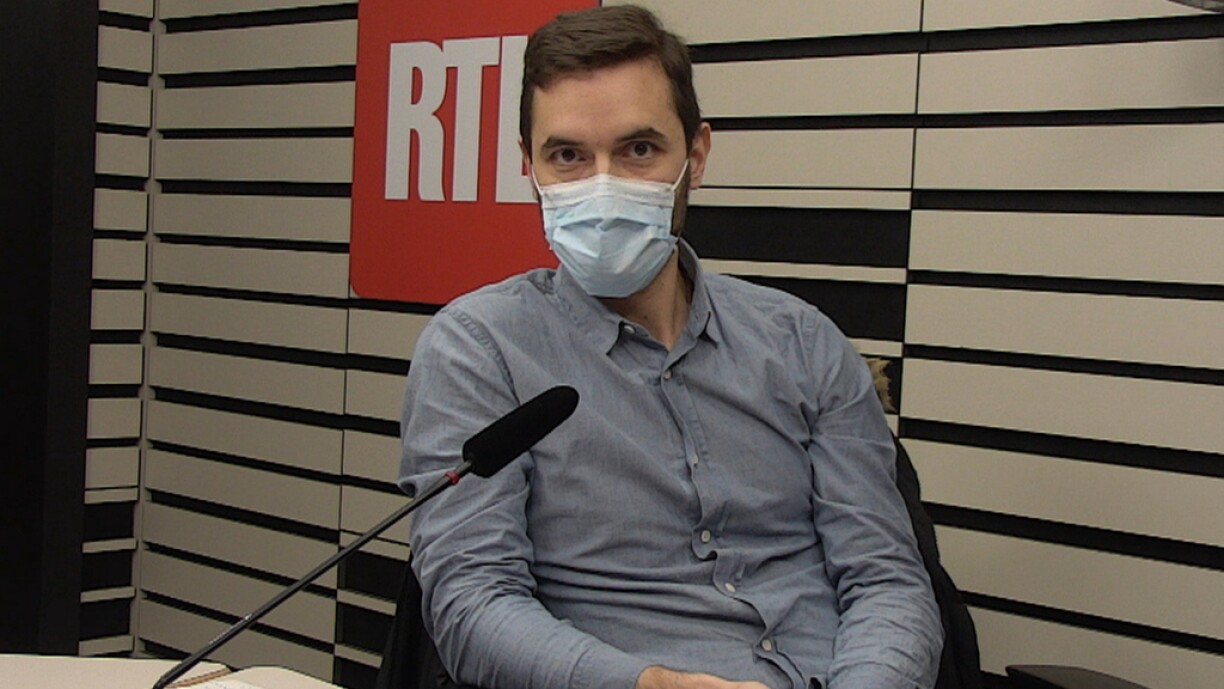
Dr Reuter compared the situation between the first wave and today.
During the first wave, the problem was not equipment and material, but lack of staff. "If you have 200 buses but only 100 drivers, then that is not ideal," explains Reuter.
In the past weeks, the number of intensive care patients has increased fourfold. Patients that are in care now were already diagnosed with coronavirus two weeks ago, when the daily number of cases was still much lower than today. The average age of patients in intensive care is 60 years old. Two patients are younger than 40.
In comparison to the first wave, patients spend only half of the time in the unit, on average 10 days compared to 21. Treatment has also developed over time: doctors now work with Corticosteroids and Dexamethasone, and stay away from anti-malaria or HIV treatments.
Video report in Luxembourgish:
It is hard to model the development of the virus, but by keeping an eye on the intensive care unit important decisions can be taken as to what measures should be implemented, says Dr Reuter. Hard times are still to come, but his colleagues are prepared for any worst-case scenario.





