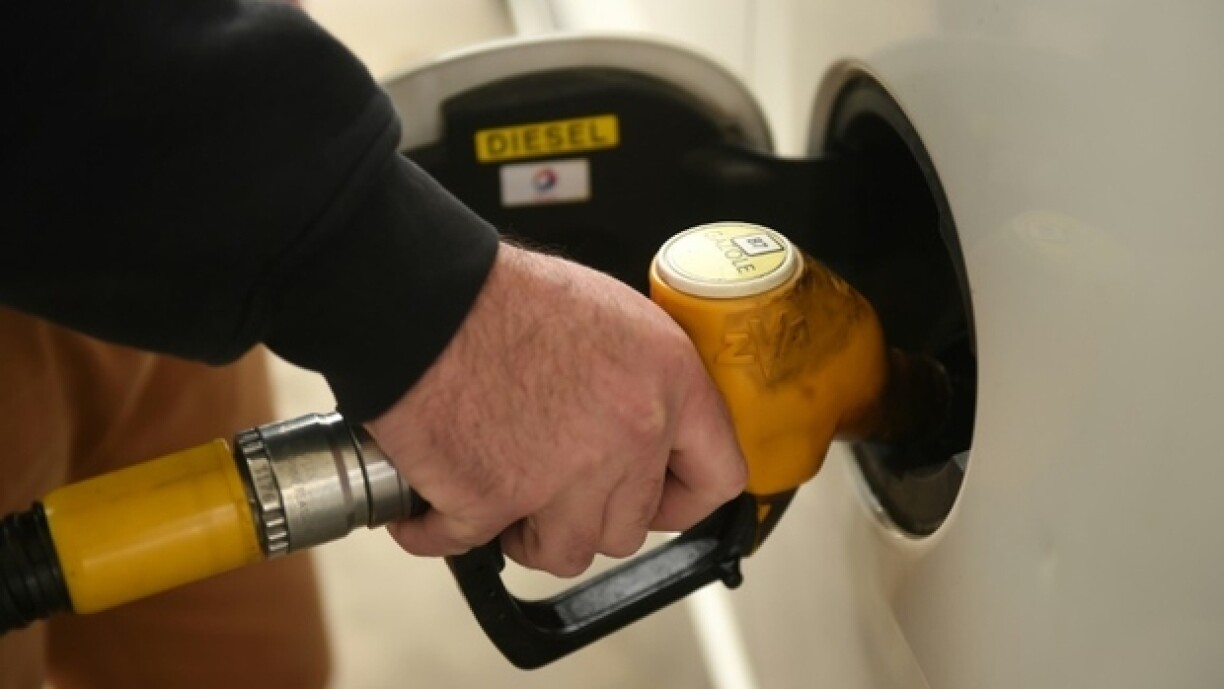
During a press conference on Tuesday, the Pirate Party accused the government, particularly Minister for Energy Claude Turmes, of favouring oil companies over consumers in recent years. According to the party, the agreement between the state and the Energy and Mobility Group, which has regulated oil prices in Luxembourg since 2004, has been regularly altered in such a way that the gross margin and thus the companies' profits have been "substantially above" the wage indexation level since 2014, and especially since 2019.
This is an obvious case of double standards, according to Pirate Party MP Sven Clement. Clement noted that on 1 August, the gross margin for all petroleum products, including heating, increased. At the same time as the government is encouraging citizens to prepare for a harsh winter and save energy, the MP claims that the government is using "deliberate political action" to increase the profits of oil companies.
Despite the fact that, unlike in France, Luxembourg-based companies "have contributed nothing" to the decrease in fuel prices, Clement stressed, pointing out that the fuel discount was paid for by taxpayers.
Minister for Energy Claude Turmes, according to the Pirate Party MP, "is either incompetent or has bad intentions." "Either he doesn't know what documents are signed in his name or he purposefully wants oil companies to earn more money," Clement remarked, adding, "I honestly don't know which is worse." If not incompetence, then "Luxembourg has a minister who has always been internationally known for his action against climate change, who has now increased oil prices in Luxembourg, but not to boost climate protection, but to benefit the war chests of multinational oil companies, some of which are actively working against climate protection."
The Pirate Party did not provide specific data for the gross margin in question. While the figures are included in a table, the party's lawyer advised the politicians not to reveal them publicly because doing so may be viewed as a violation of the oil companies' trade secrets.





