"Women are a minority in prisons in this country, they have neither a voice nor a lobby, and that is why the current system does not meet their needs", said Konsbruck during Monday’s presentation of the second report on the condition of women in prison.
The report was symbolically presented to the press at the National Museum of Natural History in Luxembourg City’s Grund district, where the women's prison was until 1984. But when the prison in Schrassig opened, the prisoners were transferred there. Women currently make up around 10% of the population in Schrassig (as of early January: 31 women) and Givenich (seven women).
However, as a minority, their voices often go unheard, laments Claudine Konsbruck. Last year, numerous interviews were conducted with both prisoners and staff, as well as the relevant authorities, to inform the report. The final report contains 57 recommendations.
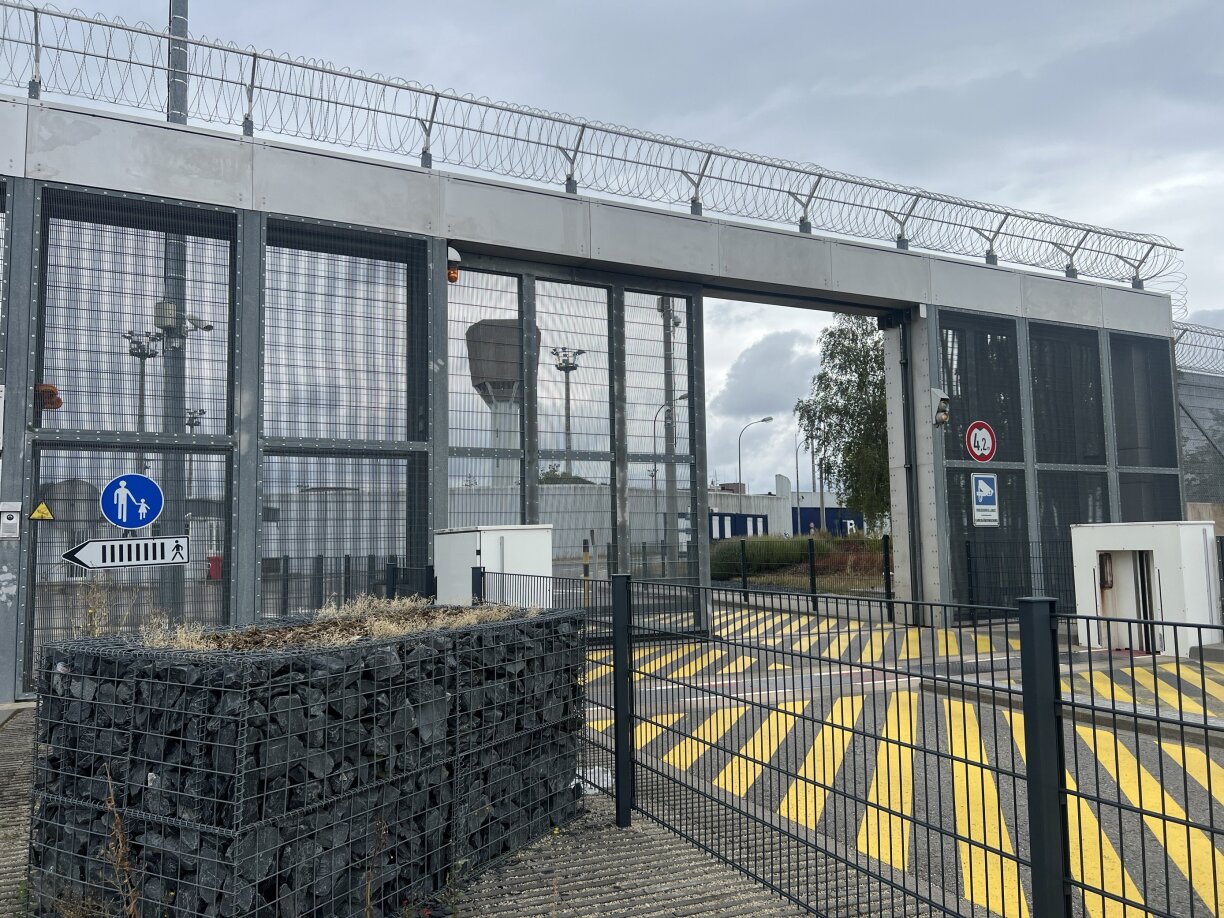
While conditions for men in Schrassig have improved with the opening of the Uerschterhaff penitentiary, this is unfortunately not the case for female inmates, the Ombudsman underlined. Block F in Schrassig, where women are housed, is outdated and needs urgent renovation. Of the 48 places available in the block, only six are single cells, with the remaining women sharing cells – two or three to a cell.
Another issue is the lack of distinction among female prisoners: convicted inmates, those in pre-trial detention, and minors are all housed together. This, Konsbruck notes, clearly increases tensions. By contrast, male inmates’ profiles are clearly separated.
The report also highlights the need to modernise prison workshops for women. In Schrassig, only 10 to 12 women can attend workshops each day. The available activities, such as ironing, washing, and sewing, are outdated, as well as old fashioned. This type of training is not relevant to life after prison, which makes it harder to find work after finishing their sentence, the report argues.
Konsbruck recommends that Schrassig offer more diverse and practical activities, ideally mixing men and women where possible. In Givenich, mixed workshops in areas such as gardening and kitchen work already provide such opportunities. The report also calls for the formal recognition and certification of the work carried out by prisoners.
Not much has changed since the first report on the situation of women in prison, as pointed out during Monday morning’s presentation. The small number of female detainees might make it difficult to find a suitable block that fits their needs, but the Ombudsman argues that this is no reason for inaction and a solution has to be found. For a long time, people were reassured that conditions would improve once the Uerschterhaff penitentiary would open. Unfortunately, this has not been the case for women.
For logistical reasons, it was decided at the time that female inmates would not be transferred to the Uerschterhaff penitentiary in Sanem, as separating male and female inmates in Schrassig was considered easier.
On Thursday, Parliament will vote on Bill 7869, which proposes adjustments to the functioning of the prison administration and the execution of sentences. The bill builds upon the 2018 reform.





