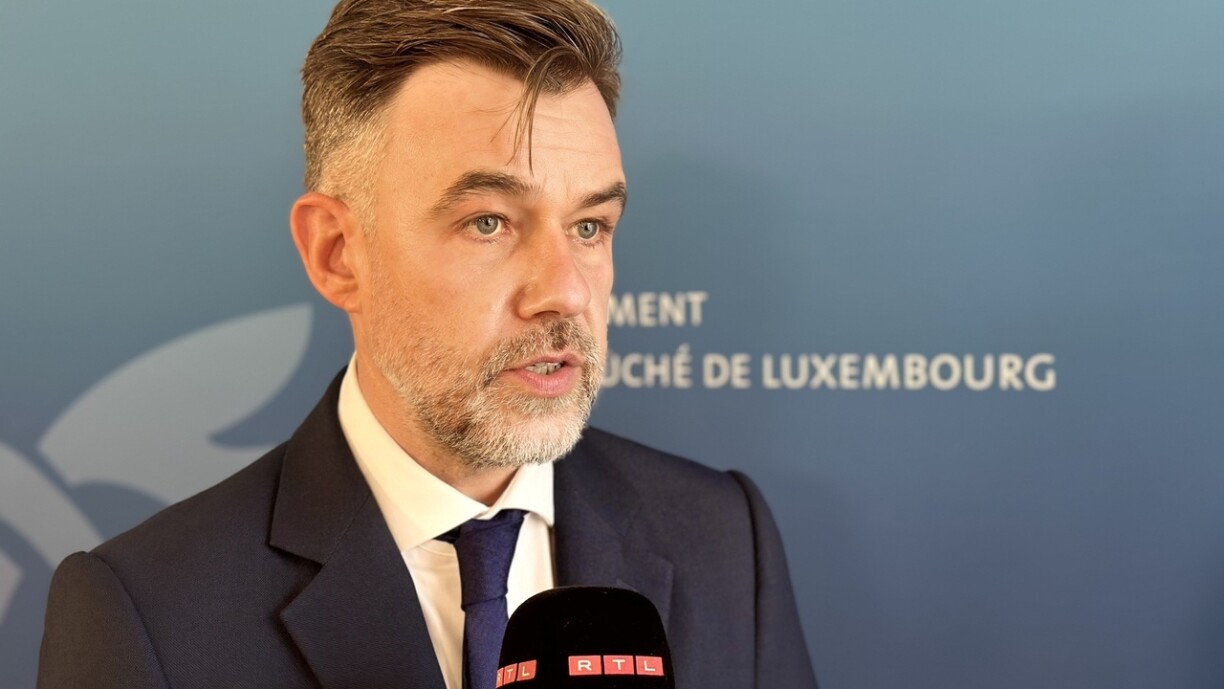
On Friday, the Minister for Development Cooperation and Humanitarian Affairs presented the results of the last four years in cooperation missions to the press.
"We have gone through difficult periods and a series of crises, but we have seen an impact in the places where we are active," Fayot told reporters during a press briefing. However, the LSAP minister admitted it was becoming increasingly unrealistic to achieve the objectives set by the UN in terms of sustainable development by 2030, attributing these difficulties in part to recent economic crises. The coronavirus pandemic, which required a rapid and effective response, is probably partly responsible, he said.
The Grand Duchy notably delivered more than 660,000 doses of vaccine via the Kovax mechanism to other countries and contributed to the fight against the pandemic, spending a hefty 70.5 million euros up until April this year.
Luxembourg has also been involved in offering support to Ukraine following the Russian invasion. "Since February 2022, we have given over 11.4 million [euros] in humanitarian aid and 2.8 million in reconstruction support to Ukraine, as well as over 10 million euros in material support, such as generators, medical equipment and ambulances," Fayot explained.
However, some bilateral cooperation efforts have been abandoned as a result of military coups, such as the recent crisis in Niger, but also in countries such as Mali or Myanmar. In spite of these failures, Luxembourg has endeavoured to sign new agreements with other partner nations such as Rwanda, Costa Rica and Benin.





