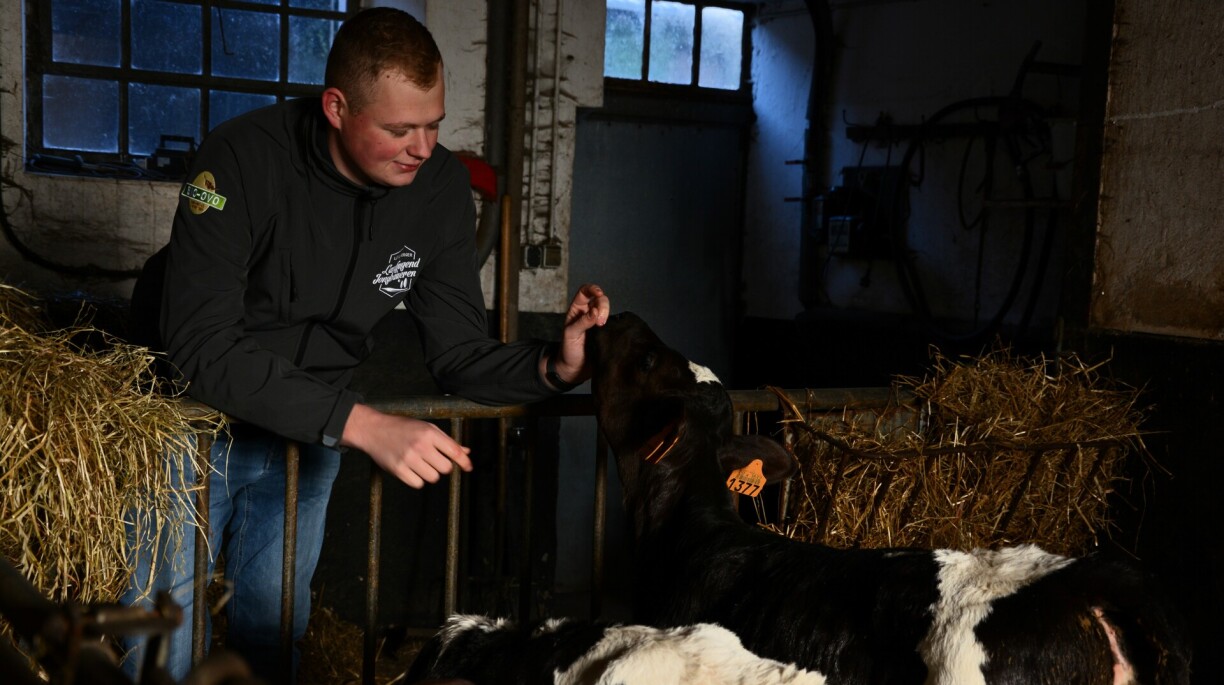
On a frosty Thursday morning, Charel Ferring, a 21-year-old farmer from Tandel, guides our colleagues from RTL.lu through the dairy farm, home to 101 cows. He expresses the profound passion that comes with growing up on a farm, stating, "It's not just about the financial aspect, but above all about the passion for working in nature, working with nature, and developing and improving your own farm for the future."
Highlighting the decline in the number of farms in recent years, Ferring acknowledges the scarcity of successors in the profession. He attributes this trend to the unattractiveness of a job with no fixed salaries and minimal holidays, a factor dissuading many young people.
During the farm tour, Ferring shares insights into his daily routine, which often begins at 5am, involving the milking of 101 cows in the morning and evening. He underscores the dedication required, even mentioning working on Christmas Day.


Ferring points out the positive interest in agriculture in Luxembourg, noting the annual tradition of young farmers decorating tractors with Christmas lights and touring the country, drawing families to the spectacle. As the President of the Luxembourg Young Farmers Association, Ferring appreciates the growing interest in the profession and emphasises the importance of campaigns like the Christmas tractor tour in raising awareness and sharing the passion for farming.
Expressing his deep conviction, Ferring describes farming as "the best job in the whole world," citing its unique blend of management, connection with nature, and involvement with livestock and the plant world.
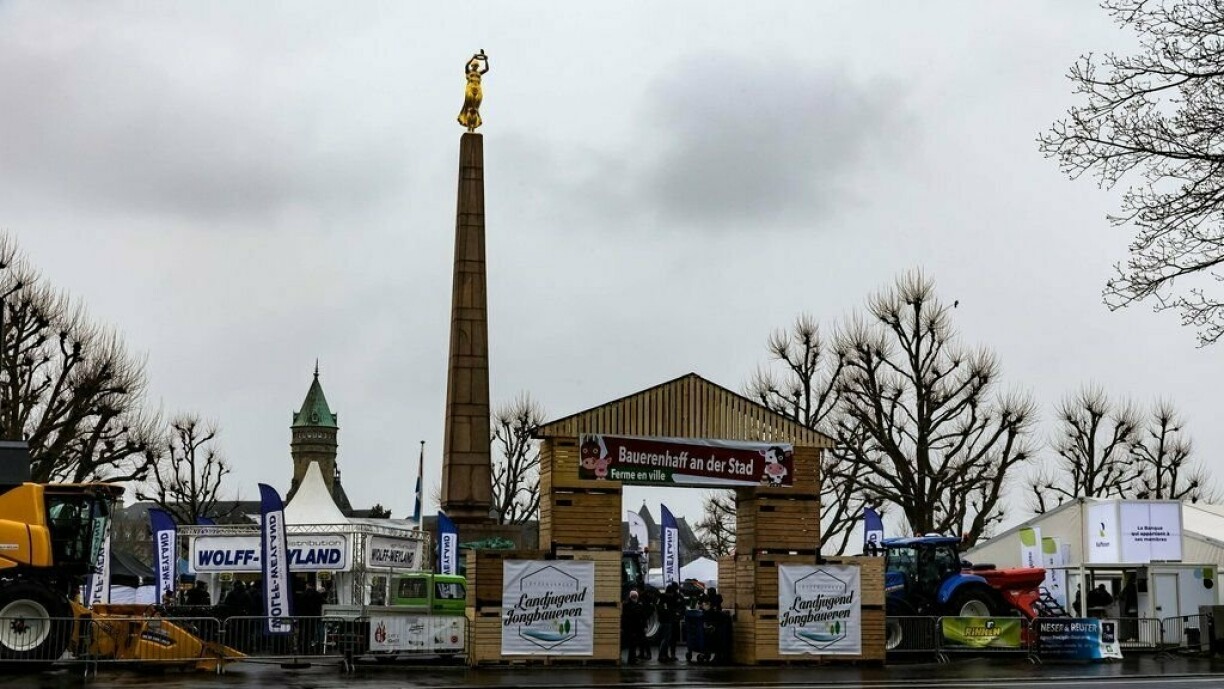
"Farm in the City," another popular event organised by the agricultural community, will also take place once again from 21 March to 24 March 2024 on Place de la Constitution in the capital.
Reflecting on the recent farmer protests in Germany, Ferring acknowledges that Luxembourg farmers sympathise with their German counterparts, even though the situation in Luxembourg is not as dire.
While recognising imperfections in the Grand Duchy, he stresses the administrative hurdles as a common challenge, stating, "Sometimes you get bogged down in bureaucratic clutter! That can make you lose motivation."
As a young farmer, Ferring highlights the need for practical dialogue to address issues efficiently. He expresses hope that future initiatives will involve on-site assessments rather than relying solely on studies that may not yield practical solutions.
Ferring also sheds light on challenges faced by vegetable and fruit growers, such as difficulties obtaining authorisation for greenhouses and "water-related issues." He emphasises the role of politicians in finding solutions to promote increased domestic production in Luxembourg.
Acknowledging the transformation in farming practices, Ferring notes that machines now play a significant role, reducing the physical labour involved. He cites advancements like satellite technology, enabling tractors to navigate automatically. As a result of these changes, he points out that the hardest worker is not necessarily the highest earner in modern agriculture.
While acknowledging the influence of technology, Ferring also values traditional farming wisdom, recognising the reliability of old rules regarding when to sow crops. However, he notes that climatic changes are necessitating adaptations, such as working with less water in arable farming. In Luxembourg, farmers are increasingly focusing on crops resistant to drought.
Ending the tour on a personal note, Ferring shares an anecdote about the emotional impact of witnessing the death of his favourite cow as a young boy: "I really was extremely sad for a few days." He has many stories to tell, but when it comes to the animals, he always adds modestly: "My father knows them all and their quirks."





