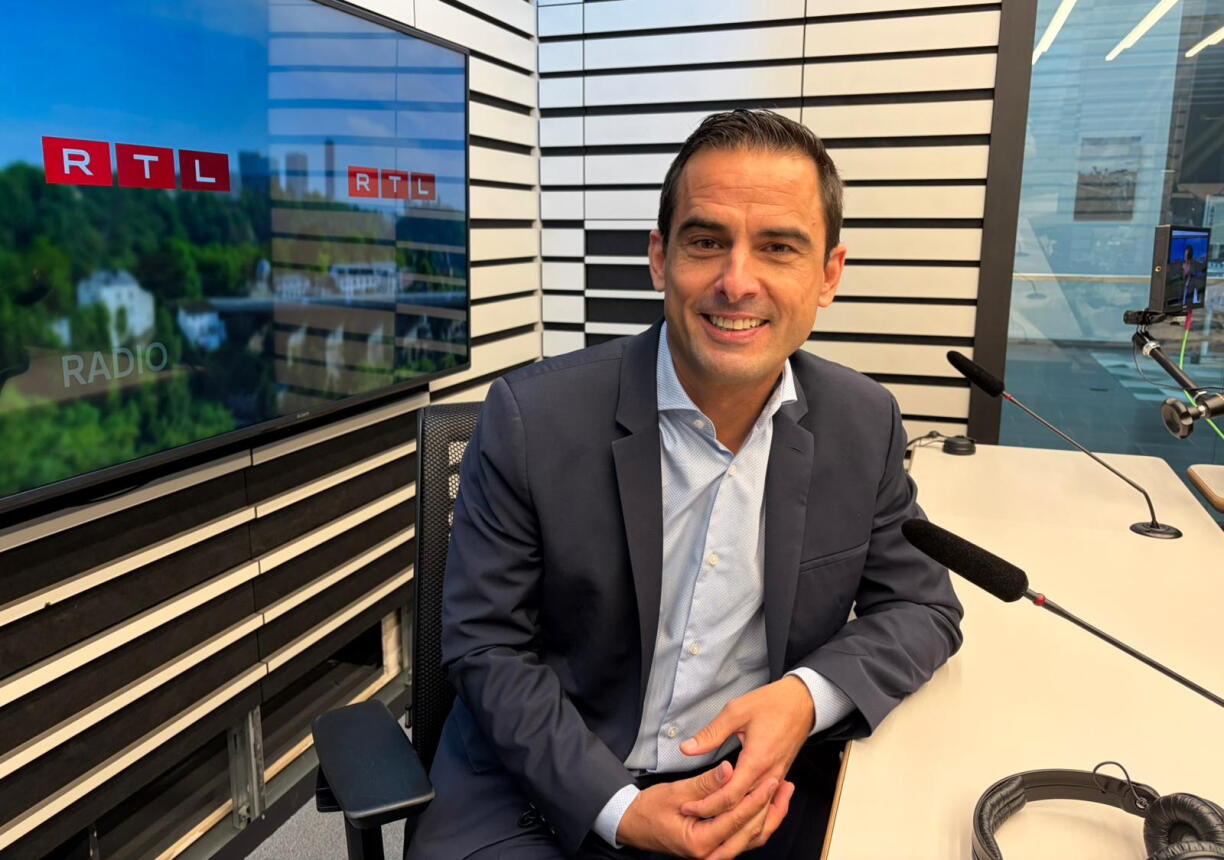
Luxembourg's recent heatwave has raised concerns about the well-being of elderly and vulnerable people, particularly those in care homes and those living alone. Speaking with RTL, Minister for Family Affairs, Solidarity, Living Together and Reception of Refugees Max Hahn detailed at length how his ministry responded and outlined plans to improve protections in future heat events.
He thanked "everyone who has worked hard during the past weeks, especially for those at risk, including elderly people", and described the recent heatwave as "of a duration we have never experienced before".
Older people living alone at home are of greater concern, Hahn added, which is why an initiative was launched to keep a closer eye on them. He also said he would like to take stock with Copas to see what went well in the homes and where there is still room for improvement. The Ministry of Family Affairs, he indicated, would certainly be willing to provide financial support if necessary. Blanket air conditioning across all facilities is nonetheless not on the cards, the minister said.
Hahn admitted that in some care homes, temperatures reached grueling levels of over 30 or even 34°C, especially in older facilities and rooms with less favourable orientation or on higher floors. He noted that the main difficulty this time was not only the extreme heat during the day but also the lack of cooling at night.
According to Hahn, who largely held the floor throughout the interview, Luxembourg’s care homes are highly diverse, ranging from modern buildings with air conditioning and cooling blankets, to older ones where alternative solutions are needed. "Care homes have collected a wealth of experience over decades in how to handle heat", he said, but acknowledged that the duration and intensity of this heatwave made it particularly challenging, despite the sector's experience.
Nursing homes also differ from hospitals in important ways, he added. They house residents rather than patients, and the effort is made to encourage people out of their rooms to take part in the social life of the home. Operators seek to place the most vulnerable residents in the coolest available rooms and adapt daily routines accordingly. "The big advantage in care homes is that there is supervision", Hahn explained. "There are people who look after the residents, who notice if something is wrong, and who proactively remind them to drink, since older people often lose their sense of thirst." Menus are adapted to the heat, with more cold dishes and fruit, and physiotherapy sessions are rescheduled for earlier in the day. Outdoor or physical activities are cancelled during heatwaves.
Hahn recognised that cooling every single room is not always feasible, especially in older buildings. Some residents stay in their rooms or must do so for health reasons. In these cases, he said, "professional care staff take people out of the hottest rooms when needed and bring them to better conditions. Night shift teams monitor temperatures and ventilate rooms when the outside air is cooler.
On the question of retrofitting air conditioning, Hahn stated that the Ministry for the Family, alongside care home operators, will “review what worked well and what needs improvement”, and supports investments in cooling systems, external shading, and behavioural adaptations to keep heat out. Some homes have already installed small mobile air conditioning units, and the ministry plans to spread best practices sector-wide.
Hahn emphasised that his greatest concern is for elderly people living alone at home, who lack the structured support found in care facilities. During heatwaves, the ministry enables such individuals to register their details by phone, email, or letter, so that professionals can check up on them even if they are not receiving formal care.
Turning to support for homeless people, Hahn underlined their particular vulnerability: "People living on the street have a big disadvantage, as they do not have anyone around them 24/7". Luxembourg offers support in the from of social restaurants and housing structures to so called mobile "streetwork" teams. In response to the red alert for heat, these services extended their opening hours; some opened as early as 5am and remained open until 10pm to provide shelter, food, showers, and relief from the heat. An emergency shelter at Findel was also opened, offering a safe place to rest and stay cool throughout the day.
Hahn explained that the government is currently reviewing which measures were most effective and which were best used, so that resources can be focused where they are most needed in future heatwaves. "What we put in place for this heatwave is a system we will use for any future red alerts", he said.
Looking ahead, Hahn warned that more frequent extreme weather is likely, stating, "after this heatwave, there will be another, experts say this will become the new normal". He called on all public and private actors to continue adapting and sharing solutions. The family ministry will continue reviewing and developing their approaches, aiming to protect the most vulnerable residents as Luxembourg faces a future of more regular extreme heat





