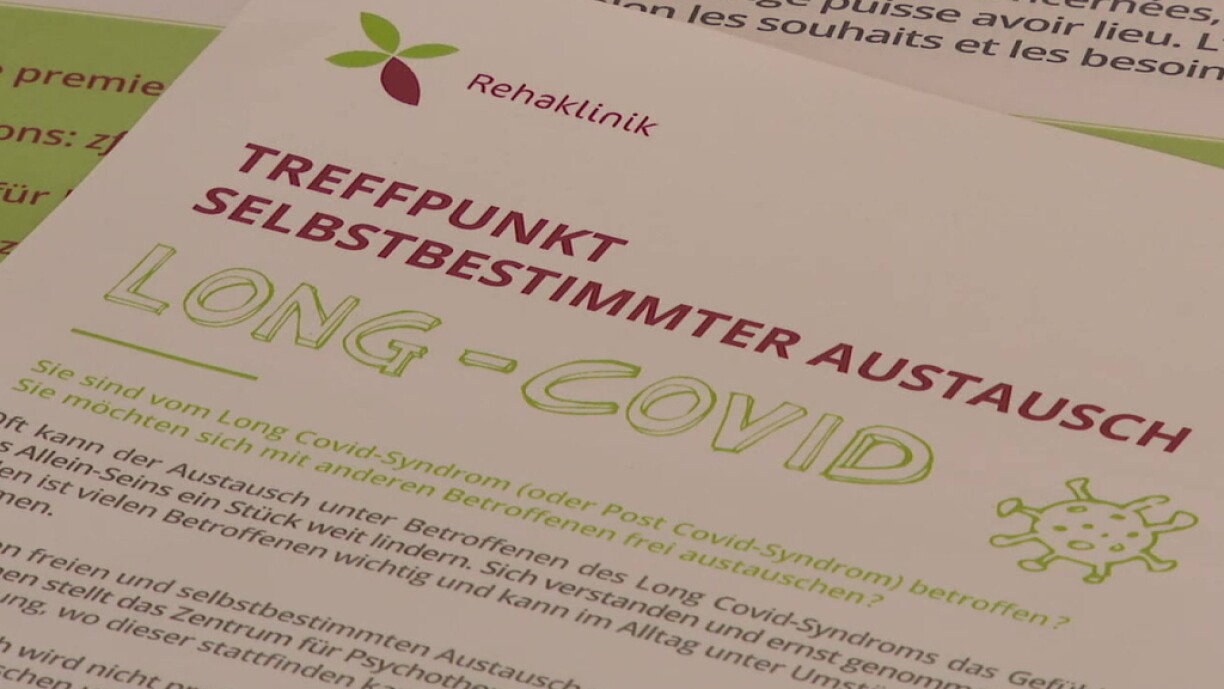
Many people experience the effects of one or multiple coronavirus infections for weeks, or even months, after their initial infection. Long Covid, as the condition is known, can take many forms, with a variety of symptoms.
Patients report extreme fatigue, difficulties with sleep, a persistent hacking cough, sore limbs or cognitive issues with speech and memory. Many people lose their sense of smell or taste for a long period of time. These symptoms are frequently accompanied by psychological issues such as depression and anxiety.
Despite the number of symptoms, none of these alone can supply a clear diagnosis.
In the majority of cases, patients say the symptoms recur despite their recovery from a coronavirus infection. It is difficult to report exact statistics, as many sufferers have not sought medical assistance or a new analysis of their symptoms.
Estimates suggest that around 10% of all Covid patients are affected by Long Covid.
According to the German medical insurance industry, patients who experienced pre-existing conditions prior to their Covid infection - for example, respiratory tract issues, high blood pressure, obesity or mental health issues - are more prone to Long Covid.
As to the question of how to protect yourself from Long Covid, there are no concrete solutions. Vaccination in advance of infection reduces the risk of long-term side-effects, while people who have suffered more extensive infections have a higher risk of contracting Long Covid.
Unfortunately, as the issue has gone unnoticed or underestimated for a prolonged period, treatment options are now reaching their limits. Although there are plenty of treatments for basic Covid infections, therapy options for Long Covid remain limited.
The best protection is ultimately to avoid Covid infections at all costs, relying on well-known hygiene measures and vaccination.





