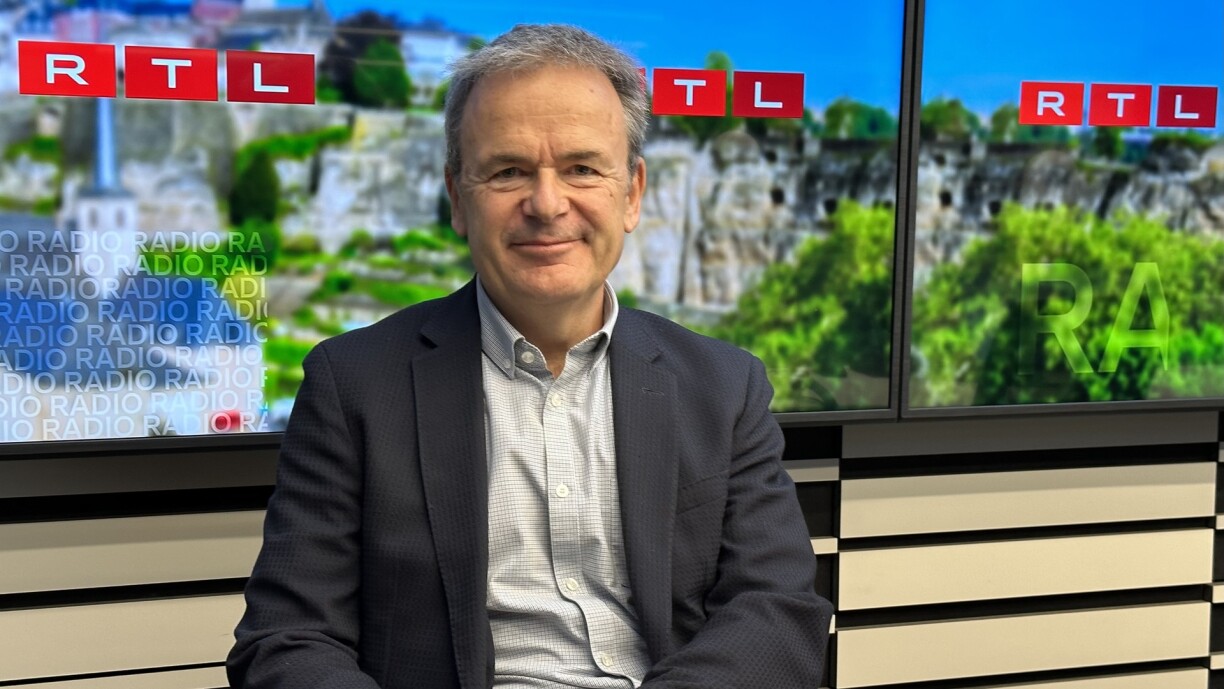
Waiting times in Luxembourg's hospitals are "not as catastrophic as is often said," said Dr René Metz in an interview with our colleagues from RTL Radio on Wednesday morning. Dr Metz, the vice-president of the Federation of Luxembourg Hospitals (FHL) as well as the director of the Centre Hospitalier Emile Mayrisch (CHEM), nevertheless highlighted that the Federation intends to delve into the reasons behind prolonged waiting periods.
Dr Metz outlined a potential solution involving streamlined pathways for different types of emergencies. For instance, when dealing with mammography cases, the distinction between routine screenings and more urgent appointments for women displaying concerning symptoms could facilitate efficient management, he explained. Challenges arise in instances where doctors struggle to swiftly engage radiologists for immediate tests, an issue that needs addressing, according to Dr Metz. He acknowledged the positive impact of expanded weekend testing availability.
Addressing the often-discussed shortage of machinery, particularly MRI scanners, Dr Metz emphasised that the impending concern is not merely the acquisition of additional equipment, but rather the availability of skilled radiologists and personnel competent in image analysis and machine operation. Dr Metz circled back to the overarching issue of hospital appeal, stressing the need for hospitals to maintain an "attractive" profile to attract and retain medical professionals. The FHL, he added, must play a pivotal role in bolstering this appeal.
The matter of decentralising hospital care and expanding the outpatient sector, a proposition advocated by the Christian Social People's Party (CSV) and the Democratic Party (DP), was another focal point during the interview. Dr Metz responded that it is not about the physical location of care; rather, he emphasised the importance of robust communication between medical practitioners and professionals. He posed the question as to why there is a drive for outward expansion when existing hospital infrastructure could potentially serve the purpose.
The FHL has outlined a comprehensive strategy in a document titled Vision 2030 pour les hôpitaux et le système de santé luxembourgeois ("Vision 2030 for Luxembourg's Hospitals and Health System") and a preceding white paper. These materials lay out an array of propositions aimed at rendering hospitals more appealing and addressing the pressing issues of staff and physician shortages.





