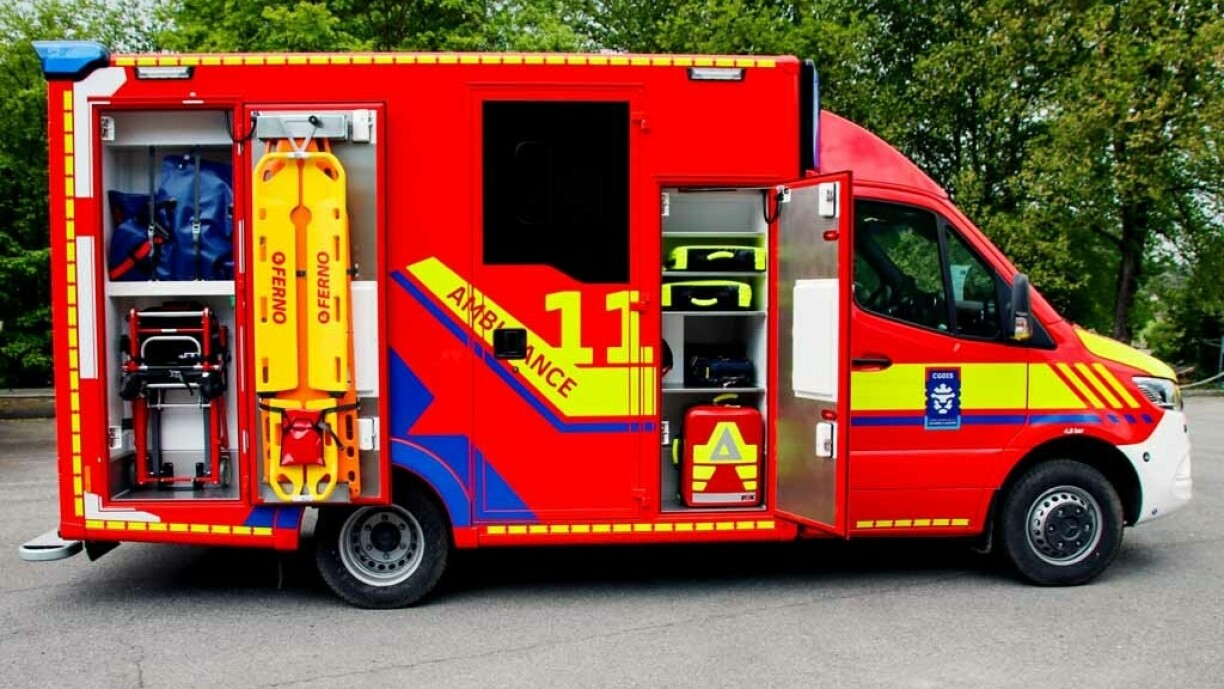
Since the Grand Duchy's population is constantly growing, the number of emergency service calls are also on the rise. In fact, a 10% increase from the previous year was identified in the CGDIS report.
On average, emergency services conducted 167 operations a day, 7 per hour, or 1 every nine minutes. The record day of 2019 was 10 March, with a total of 358 deployments, which was more than twice the rate of a regular set of 24 hours. The calmest day was 17 August with only 112 interventions.
Out of the 60,979 cases, 53,568 were considered urgent and required for first-responders to be sent out. 5,604 incidents were classified as not urgent. 1,858 road accidents with at least one person injured occurred over the course of the year. 2,180 fires erupted, with more cases being reported in nature. Paul Schroeder, director of the Grand Ducal Fire and Rescue Corps, explains that this increase was linked to the number of extensive dry weather periods.
The report also includes 2,459 "technical interventions", which designate recovery operations for both people and animals, as well as the clearing of streets and opening of doors.
Furthermore, the CGDIS team is growing in numbers, with currently more than 7,000 members being employed throughout all sections. 588 people are working professionally for the team, while 400 of those also complete volunteer work. CGDIS can also rely on close to 3,800 volunteers that work throughout the country.
Schroeder also conveys that the issues surrounding the compensation of volunteer work have been resolved. A new digital service tool is currently being implemented to update all emergency centres.





