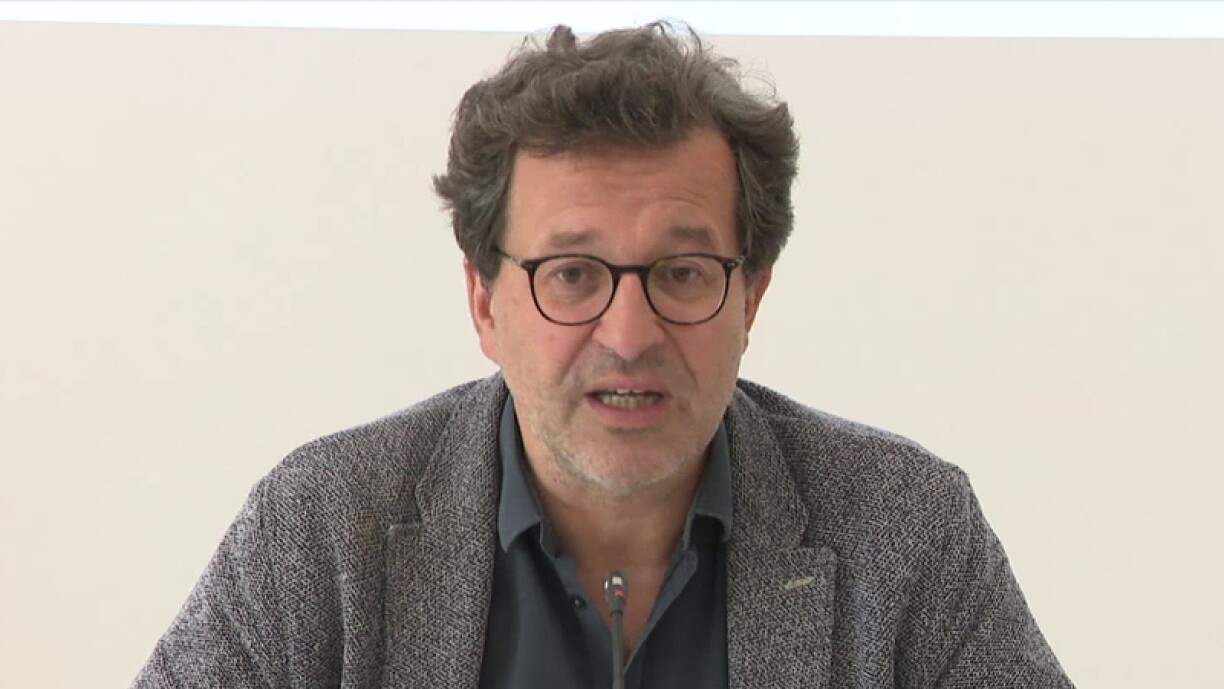
RTL spoke to Jean-Louis Zeien of the Initiative devoir de vigilance - an initiative which comprises several charitable associations with the aim of protecting human rights.
The financial sector in particular is not sufficiently regulated to prevent human rights violations. A recent survey by TNS-Ilres revealed that Luxembourg residents would support stricter regulations at this level.
The Initiative's Antoniya Argirova said the reason they are so focused on Luxembourg's finance centre is because there is a risk that the sector could be excluded from the obligation of a duty of care in terms of human rights. Not just at national level, but also at a European level.
She added that in Luxembourg's case, this means the country's largest economic sector is not obliged to respect human rights in its activities.
The same rules should apply to finance, as in other sectors. However, an EU directive on humanitarian duty proposed in February this year excluded the finance sector as a risk to human rights. If the directive is adopted in its current form, it will only concern companies in the financial sector, with over 500 employees and a turnover of over 150 million euros worldwide.
Argirova said this would only apply to 15 companies in Luxembourg's financial sector, as per the most recent Statec figures, while a number of other businesses would be able to continue operating away from the directive. She added that the threshold of 500 employees was simply too high.
The Initiative has issued a call for small and medium-sized companies, as well as risk sectors including the finance sector, to respect human rights on a global scale. They also demand closer scrutiny during the entire term of a loan to better monitor where the money is going. In addition, Zeien has called upon the government to commit to improving the European proposal for a directive at European level, and to react to national progress independently of EU progress in this matter.
The Initiative also seeks to mobilise institutional actors from the financial sector, in particular those who control and regulate the sector, as a response to the backlash from the population represented in the TNS-Ilres survey. Over 80% of participants agreed they wanted stronger responsibility from the finance sector with regard to human rights.
Zeien added that it is important to consider the long term and expressed hope that Luxembourg would take on a pioneering role, not just in terms of sustainability, but also support for human rights in the finance sector.
The Grand Duchy has the means to become a centre of excellence in the field, he argued. But to date, just three out of 22 major players in finance have adopted measures supporting human rights in their governance documents, as it is done on a voluntary basis.
This falls far short of the Initiative's demands. Banks have already undertaken checks on issues such as money laundering or the financing of terrorist activities - now, they need to expand these actions to respect human rights and prevent further violations.





