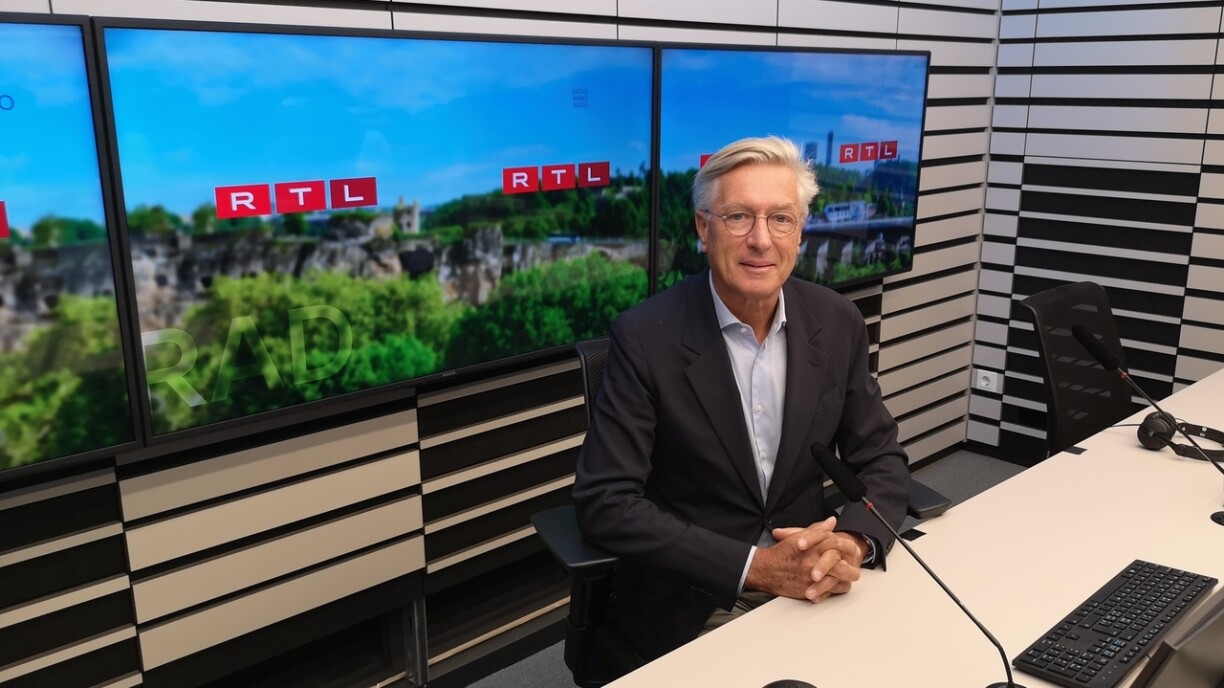
Outpatient care is when a hospital procedure can be completed within a single day, and this is now the case for more than half of all admissions. "The issue of care provided outside of hospitals is a different matter. These two concepts are often confused," Dr Phillippe Turk told RTL Radio on Friday.
Addressing concerns raised by Dr Gérard Schockmel on RTL Télé, Dr Turk countered the notion that doctors working in private practices in Luxembourg are disenfranchised when they are required to report to a hospital. He described such beliefs as "heresy" and underscored that doctors in private practice maintain "absolute free choice of medical treatment."
Dr Turk pointed out that doctors in Luxembourg receive net fees, relieving them of any financial obligations to the hospital. "They can arrive in the morning in the operating theatre, where everything is ready, for example to perform a surgery, so clinics are essentially service providers for doctors," according to the FHL President.
"The shortage of doctors is a European problem," Dr Turk stressed. In Luxembourg, there is "a de facto shortage of general practitioners and a whole range of specialists." This shortage has significantly impeded patient access to healthcare services, particularly considering the country's population has surged by 25% over the past 12 years and continues to grow. Dr Turk identified this as primarily a capacity challenge, highlighting the need to factor in generational shifts in the medical field. He observed that younger healthcare professionals seek a different work-life balance, with a noticeable "feminisation" of the profession, as Dr Turk described it. Consequently, addressing the retirements of senior doctors may necessitate the recruitment of at least two new doctors for each vacancy, a scenario that Dr Turk suggested is "not far from reality."
"As a matter of principle, a hospital cannot refuse to treat a patient," Dr Turk clarified. He noted that recent incidents where individuals were denied care in a hospital were more a result of "communication issues" within a department, which suddenly found itself overwhelmed. Hospitals cannot turn away a patient "without at least providing them with an alternative."
A glance at the electoral programmes of the various political parties reveals a desire for new plans to improve the healthcare system. Despite numerous plans, criticisms persist regarding the lack of tangible progress on the ground. When asked about governance, Dr Turk refrained from offering a direct response but acknowledged that in recent years, there has been "a lack of cohesion." He stressed the need for multiple ministries to collaborate and emphasised that the healthcare sector should embrace research, start-ups, and economic considerations.
In anticipation of a new coalition forming after the elections, Dr Turk suggested the immediate organisation of a health conference, specifically addressing human resources and their capacity to meet healthcare demands over the next 15 to 20 years.





