Election times are often prone to heated debates concerning party practices. Some have raised concerns about the recent practice of catering letters to particular voters based on information taken from the electoral register.
On Sunday, the DP and ADR sent letters in various languages to selected voters. Among the targeted voters were first-time voters and foreign residents who are voting in Luxembourg for the first time. The parties obtained this data, including voters' names, nationalities and addresses, from the electoral register. The question is whether this is still legal since the new European data protection law has come into effect.
Hervé Wolff, a French lawyer who has lived in Luxembourg for 13 years, is registered to vote in the upcoming European elections. Recently, he received a letter from the DP about the election, written in French.Wolff commented that the election letter sent by DP was problematic, as it shows that the party is able to access sensitive data, such as nationality, or even race and skin colour.
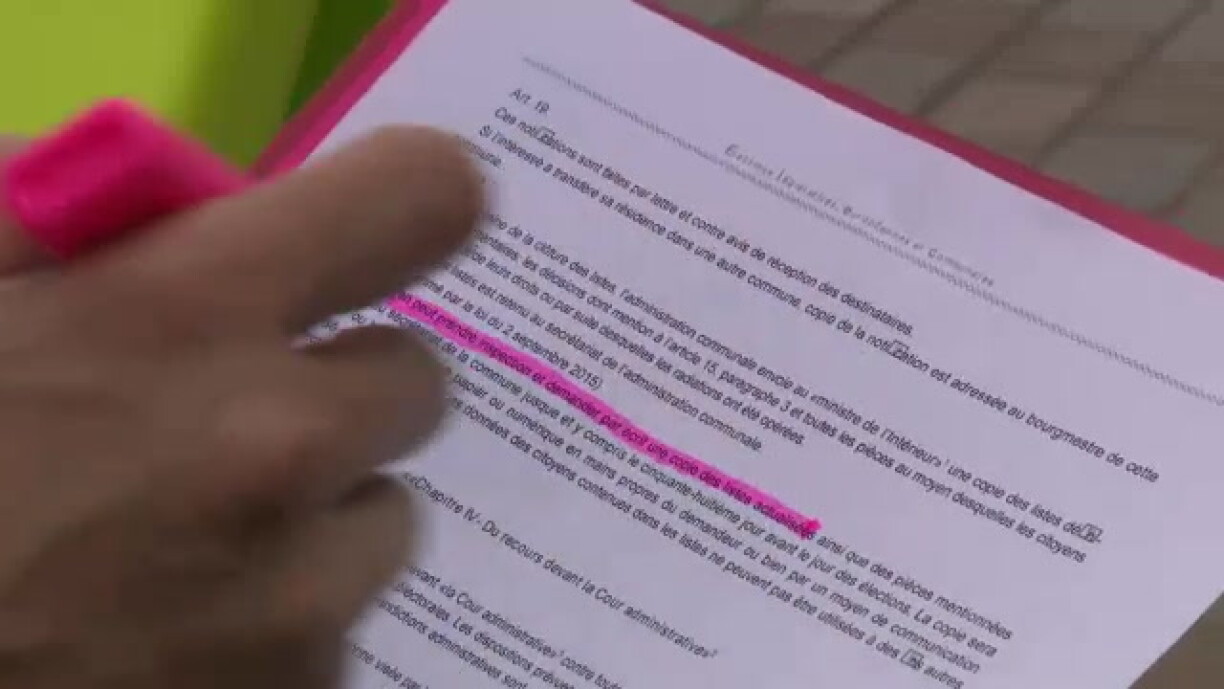
The European regulation on data protection GDPR, which came into effect on 25 May 2018, demands that personal data is handled confidentially. Article 20 in Luxembourg's electoral law legitimises the practise of contacting people using data taken from the electoral register - but only for electoral reasons. This ambiguous phrasing led Wolff to wonder what falls under the category of electoral reasons. Does it simply refer to organisational issues surrounding elections, or does it include campaigning?
The National Data Protection Commission's Thierry Lallemang admitted that the wording leaves some leeway. Regarding the electoral law, the CNPD had said that if the electoral register is used to contact people for election campaigning, it is compatible with Luxembourgish electoral law and the European regulations.
On Twitter, LSAP MP Alex Bodry said that residents are likely to have questions regarding the matter and might want political action. He suggested that Luxembourg may need to rethink whether access to the electoral register, as it is currently is set out by Luxembourg's electoral law, should remain unchanged or not.
Responding to inquiries about the matter, the Democratic Party president Corinne Cahen said that she wasn't opposed to discussions on such a change. She nevertheless highlighted the legality of the letters addressed to first-time voters, as the party respects the duty to inform voters of their options. Lallemang echoed the importance of this, as many voters do not know that their information is taken from the electoral register. Specifically, addresses should know they have the right to have their data removed from the list.





