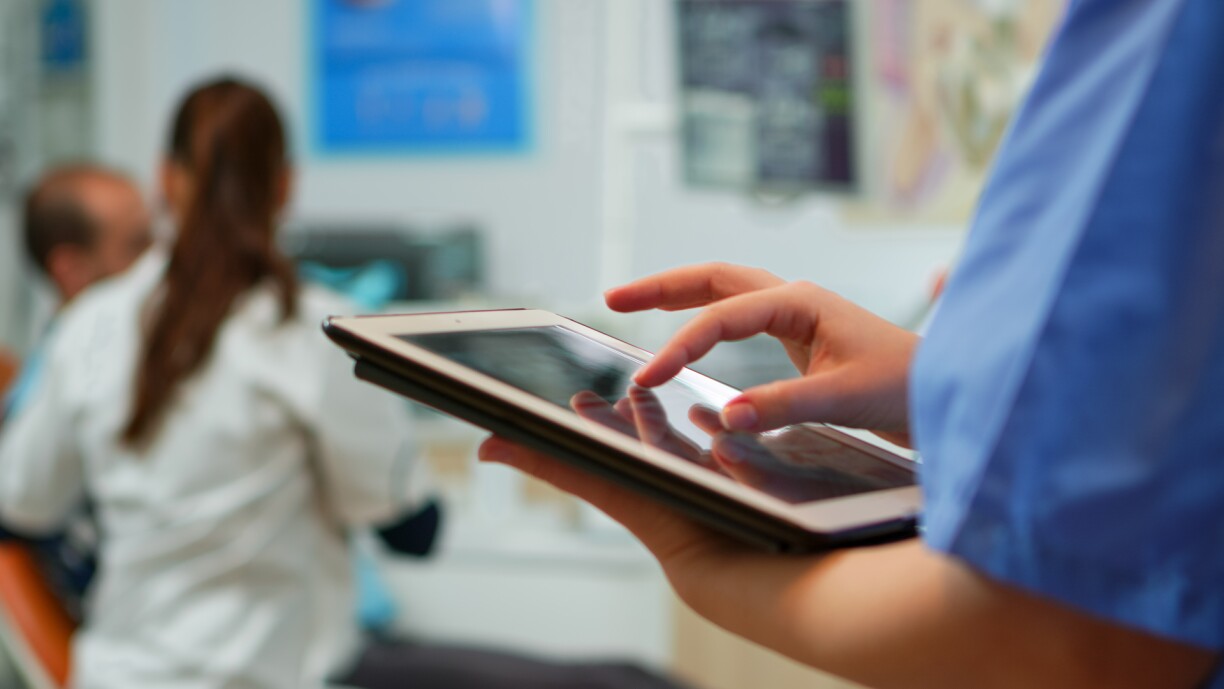
Currently, 15 million medical records are stored digitally. Anyone who has recently been to the hospital for a test or an MRI is likely aware of this procedural change too: instead of being handed the usual CD disk containing medical results, since January, doctors share and transfer patient results digitally with a QR code valid for 3 months.
This initiative was launched to accelerate analyses and diagnoses, becoming an essential tool for hospital-based doctors. Dr. Romain Schockmel, medical director at Hospital Center Emile Mayrisch (CHEM) in Esch-sur-Alzette, explains: “Every patient receives an admission number, under which all exams, analyses, and consultations are recorded. Doctors can instantly access results without the electronic healthcare record (DSP), but they can retrieve medical history if needed. Upon discharge, key hospital documents are available in the DSP.”
Doctors working in the hospital have certified and secure access to a patient's data through an IT system insured by the hospital. However, if a specialist or a general practitioner (GP) is in their own private practice, they need the patient's digital consent to gain access. And that, as GP Kevin Prohaska explains, can get tricky:
"The DSP is quite complicated. Even when patients tell us that they have registered us as a reference doctor, we often still cant get in. IT-wise, this prohibits us from doing our job. It's extremely complicated for our elderly patients, who particularly need these reference files, because they tend to have more complicated portfolios. See, the DSP is like a safe and often we don't have the key to open it. Something really needs to change."
The e-Santé agency, responsible for the eSanté portal and the DSP, sees the problem rather in the current success of the DSP. According to Marc Hostert, President of the e-Santé agency: "The problem, if you can call it a problem, comes from the success of the DSP. In the last few weeks and months, the DSP is growing immensely as it continues to be increasingly consulted and files are placed into it. This means that now more people are noticing issues regarding the platform, either because they want to activate their DSP, or if they haven't activated it yet, they try and do so last minute. And it is somewhat the success of the initiative that is putting these problems in the spotlight."
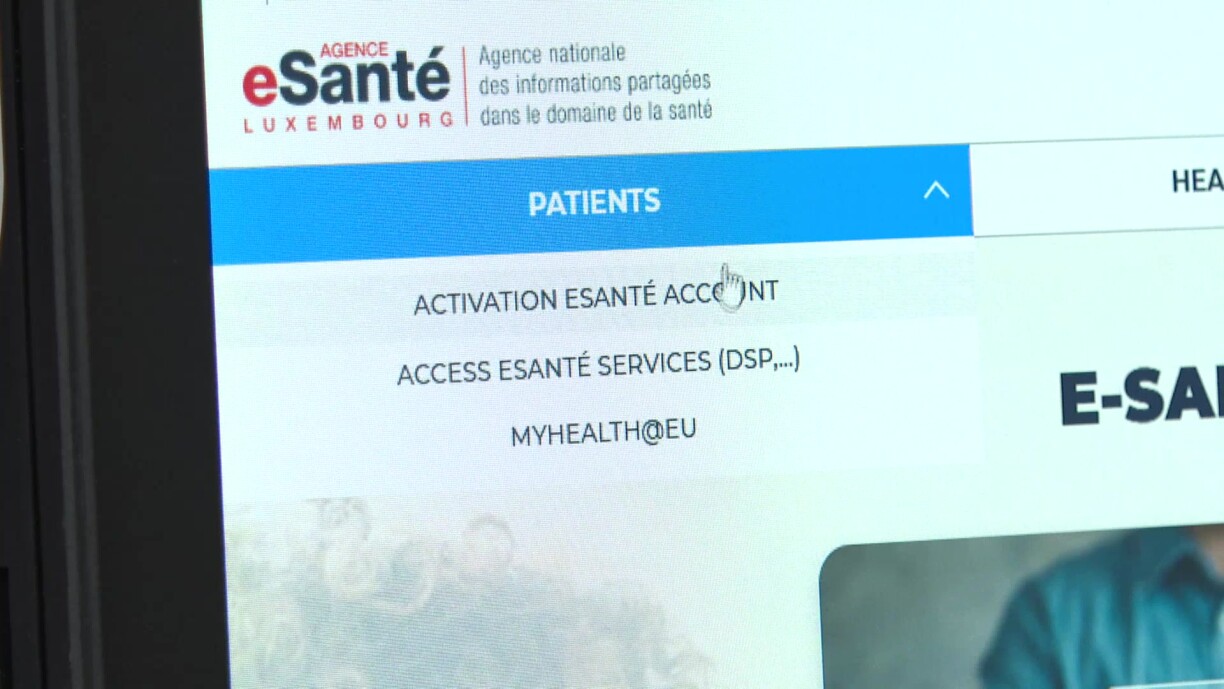
But is this whole process really that complicated? We put these claims to the test. According to the registration process, in five short steps and an activation code requested with your national identification number, you should be through within three minutes. However, in reality, we encountered our first technical problem quite early on. We tried to start the process from the beginning, but the activation code was expired, and we were still left without an account. It seems that more work can be done to make the platform more accessible.
According to Marc Hostert: "The DSP still needs to be adapted in terms of ergonomics. The e-Santé agency will also do this with the DSP's updated version. We will also work on simplifying access, be it via myGuichet, which most people are already used to, or by introducing a new policy using access codes. However, we have to respect and operate within the legal framework set by the state."
By 2029, according to EU law, major updates will need to be introduced to the DSP to, for instance, let doctors from abroad access important medical documents, if the patient so wishes.





