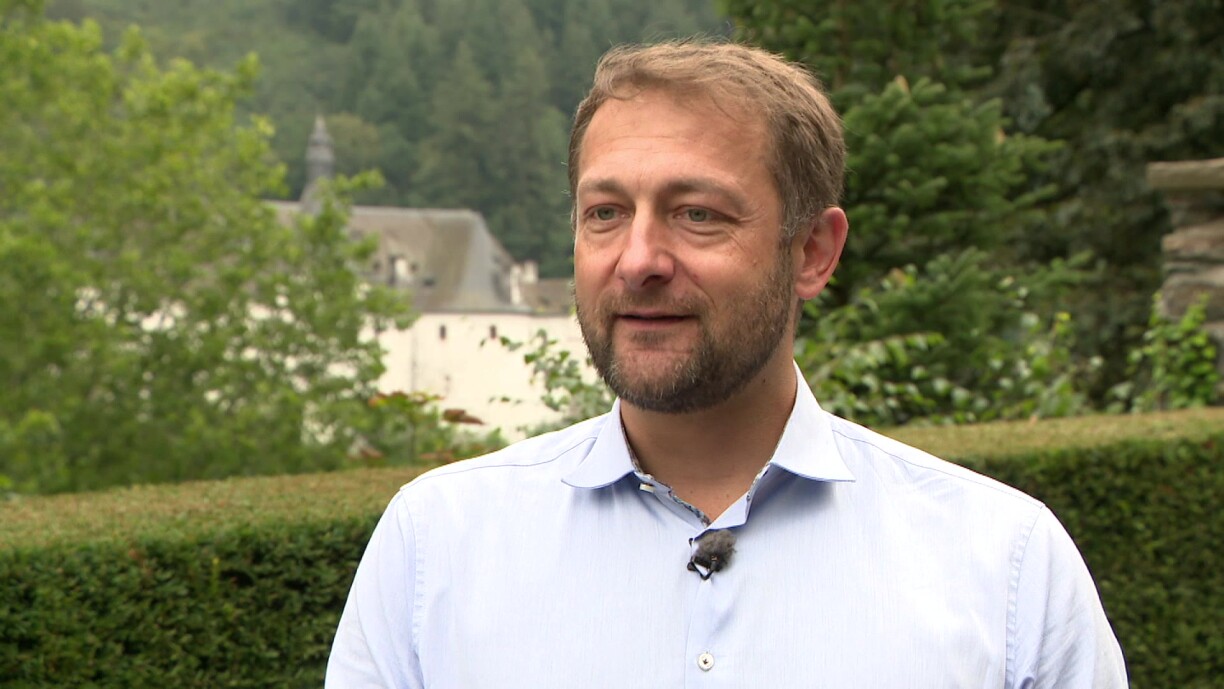
Running for the legislative elections on 8 October, Hansen states that he will accept his mandate if elected, although he notes that this is "still a long way off."
"If I've learned one thing in politics it's that things usually turn out differently than you think," Hansen says, adding that "the voters have the last word, and that is a good thing."
However, irrespective of electoral results, a range of pressing issues remains at the forefront.
According to Hansen, the EU has to be prepared for another potential refugee crisis emanating from the Sahel region, compounded by recent developments including the coup in Niger and military coup in Gabon. Dealing with refugee crises presents challenges at the European level, particularly due to the resistance of member countries like Hungary and Poland against equitable refugee distribution within the EU. Hansen stresses the need for shared responsibility, avoiding leaving Southern European nations alone to manage influxes.
"At the same time, we must also try to prevent people from boarding boats and putting their lives in danger. That is the other big challenge we have to tackle," Hansen said.
The war in Ukraine also poses substantial challenges for Europe and, in Hansen's eyes, should prompt revisions to the common agricultural policy due to its impact on food prices. Hansen underscores the need for adaptive policies, such as reconsidering the use of fallow in times of food scarcity.
Climate change emerges as another major concern. While the Biden administration allocates $300 billion to support industry transition in the USA, Europe's efforts seem relatively modest. Hansen advocates for increased European commitment to green initiatives, asserting that a mere €10 billion European investment pales in comparison. He urges member states to bolster the European fund to ensure competitive progress.
Within the sphere of climate policy, Hansen remains focused on one project in particular: the European Green Deal's wastewater section. Hansen notes that he has submitted amendments that address climate neutrality in sewage treatment sites. These proposed changes allow sewage treatment plants to invest in renewable energy sources, such as wind turbines.
Juggling these priorities alongside his Luxembourg election campaign keeps Hansen engaged in a demanding dual role.
The MEP does not expect any major new initiatives from the European Commission during the nine months leading up to the European elections.
Related articles
EU Parliament Vice-President: Marc Angel calls for abolition of unanimity principle
Ahead of European elections: Luxembourg's MEP Tilly Metz: "Motivated to continue in the European Parliament"
EU Parliament Vice-President: Marc Angel calls for abolition of unanimity principle
Ahead of European elections: Luxembourg's MEP Tilly Metz: "Motivated to continue in the European Parliament"





