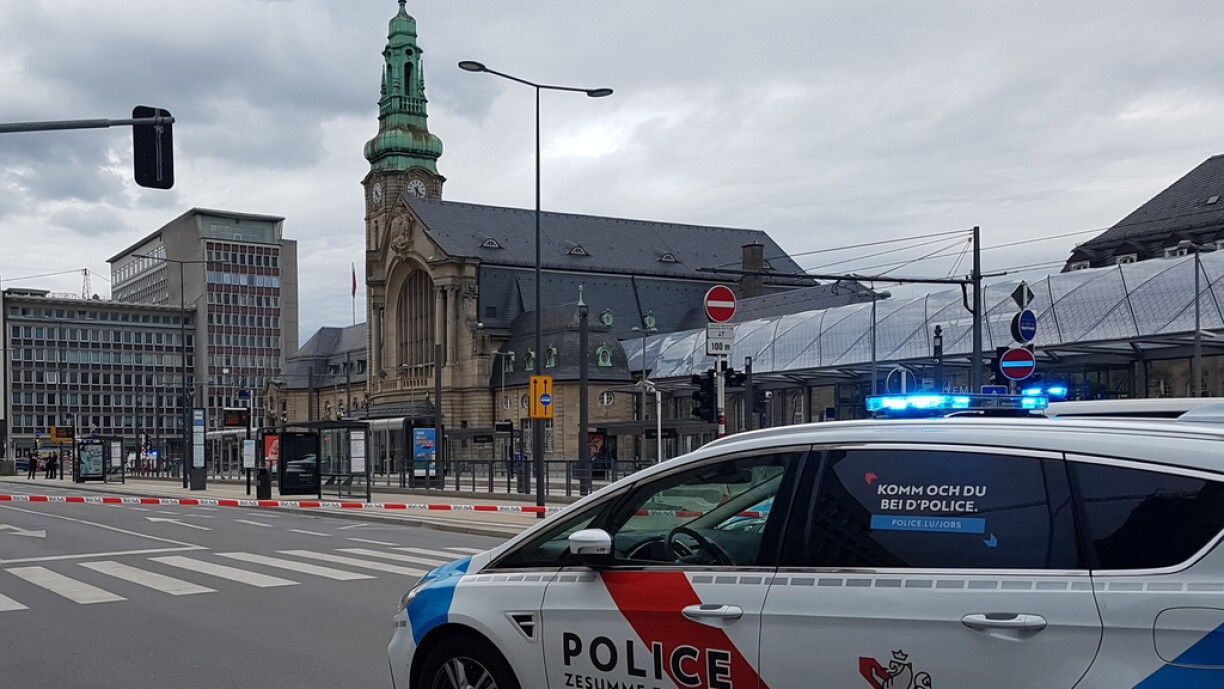
In particular, Cimetta responded to recent comments made by police syndicate (SNPGL) president Marlène Negrini, who said the rise in crime rates in Luxembourg was linked to an increase in foreign nationals in the Luxembourg City Gare district. "Criminals and delinquents are not always foreigners," retorted Cimetta.
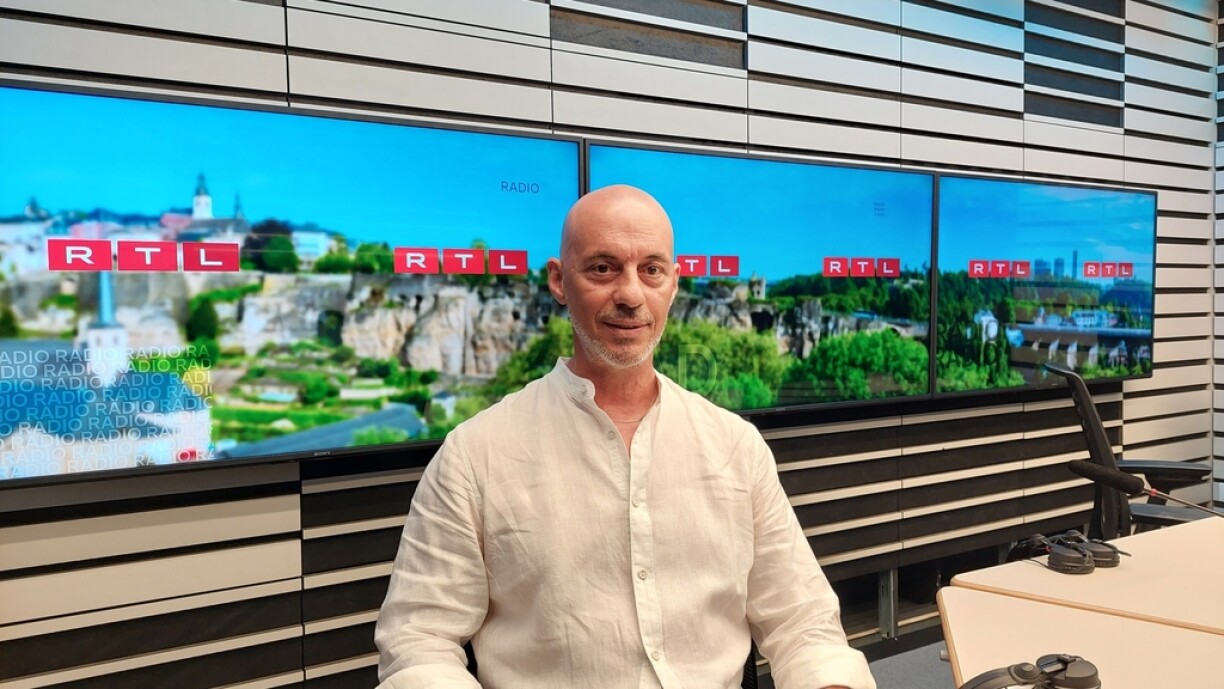
The ASTI president said that a minority of cases tend to be generalised in order to misrepresent reality. In order to avoid this type of situation, he advocates for comprehensive regulation of people in Luxembourg without residence permits, as was the case a decade ago. "This meant people could apply for jobs and work."
Cimetta added that Negrini's remarks on the number of Luxembourg police officers with foreign background pointed to a clear differentiation between Luxembourgers and other nationalities. He said political discourse also places immigrants and asylum seekers in the same category, despite the fact that the latter are often forced to leave their home countries for survival purposes. He is of the opinion that it is Luxembourg's duty "to offer them the best welcome".
Certain recent reforms seem to create a direct link between crime and immigration, according to Cimetta. The Chamber of Deputies has pushed through certain amendments to immigration and asylum laws, as well as labour laws, particularly with regard to managing people who have applied for asylum in other EU member states. The amendments foresee that asylum applications should be dealt with in the country of registration, rather than in Luxembourg. In addition, the changes to the law imply the possibility of locking up or deporting asylum seekers who may have committed an offence.
Echoing criticisms levelled by the Luxembourg refugee collective, and the Council of State, Cimetta said the criteria retained by the law in order to punish people in precarious situations are not sufficiently precise. "The presumption of absconding is particularly problematic. Authorities generally start from the assumption that an asylum seeker could try to escape or hide in another country."
Cimetta concluded the interview through expressing his hope that asylum seekers should not end up in detention centres, which he described as "a prison".





