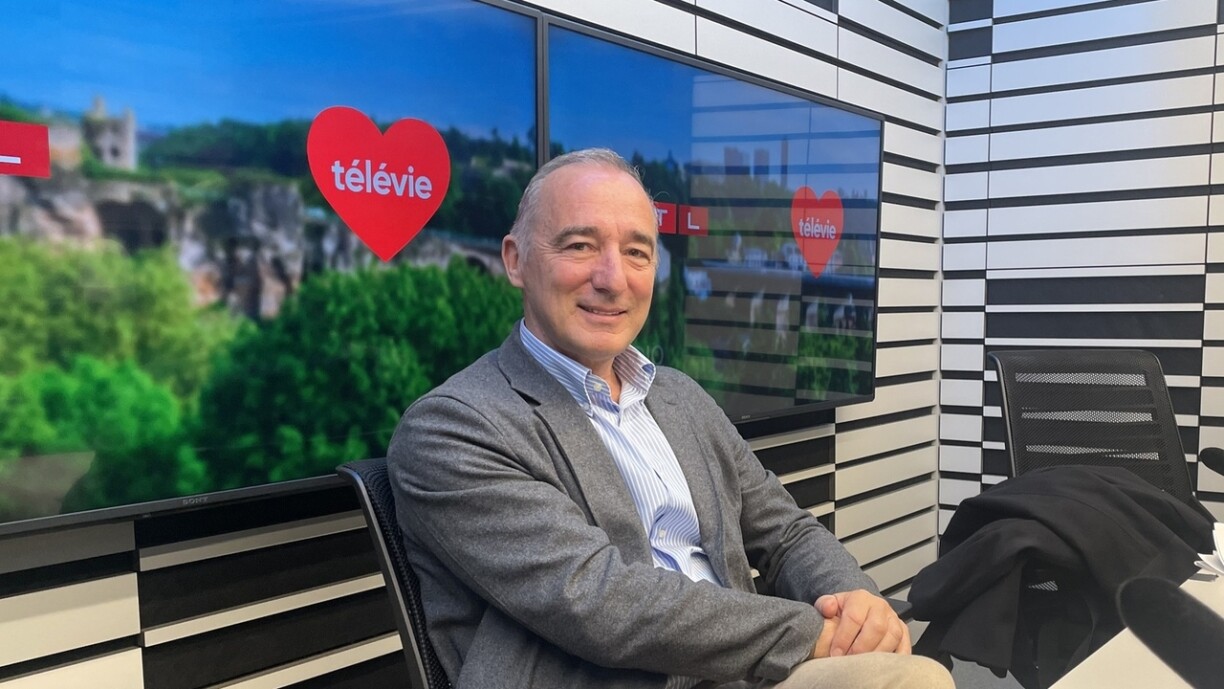
People experiencing delays in getting their doctor's invoices reimbursed are encouraged to contact the National Health Fund. "We take this very seriously and are trying to reimburse people as quickly as possible," Christian Oberlé told RTL Radio on Friday. The CNS president did not shy away from the issue, confirming the Fund was unhappy with the delays.
In the short term, the CNS has sought internal technical solutions, such as scanning documents, and have added staff where possible. "But the problem persists," laments Oberlé.
Although the compensation delays have reduced over the years, the volume of invoices always increases in the winter months, and this year in particular, the introduction of the third party payment system, or PID (immediate direct payment) has not unfolded as planned.
Since the system became operational in October, just 100 doctors of Luxembourg 5,000 medical practitioners have signed up to use it. The CNS has modernised and digitised its system - now, it is up to doctors to take the plunge. Oberlé remains optimistic that all doctors will eventually sign up to the system, highlighting that the feedback received thus far has been "really good".
From 2 May, CNS will only see clients by appointment, after attendance at the agencies increased by 50% in recent months, leading to queues and long wait times. The appointment system, inspired by the technical checks for vehicles, was rolled out as a pilot project in Dudelange with positive results - on selected days, the agency was able to accommodate up to 30 more clients by appointment.
Oberlé also touched upon the system of pricing for medical procedures, from consultation to treatment and specific interventions. This nomenclature is often criticised for putting selected medical professions at a disadvantage. Oberlé said the CNS was aware of the issue, and that the system "rewards quantity, not quality."
However, in recent years the system has been modernised by around 75%, and will continue to be developed. Despite this, the CNS president said the Fund would always fall behind the times due to increasing advances in medicine. Oberlé listed a number of systems abroad, but cautioned that making any changes to an existing system would be difficult. Given the ageing of medical professionals - and society as a whole - he agreed that milestones would need to be set now.
In order to prioritise quality and advocate for greater equity of income between doctors, Oberlé says it is necessary to switch to a concept which promotes health rather than compensation, as is currently the case. But such a change is complex and requires greater discussion among experts, he concluded.





