Here are five things you should know at the end of this week:
________________________________________________
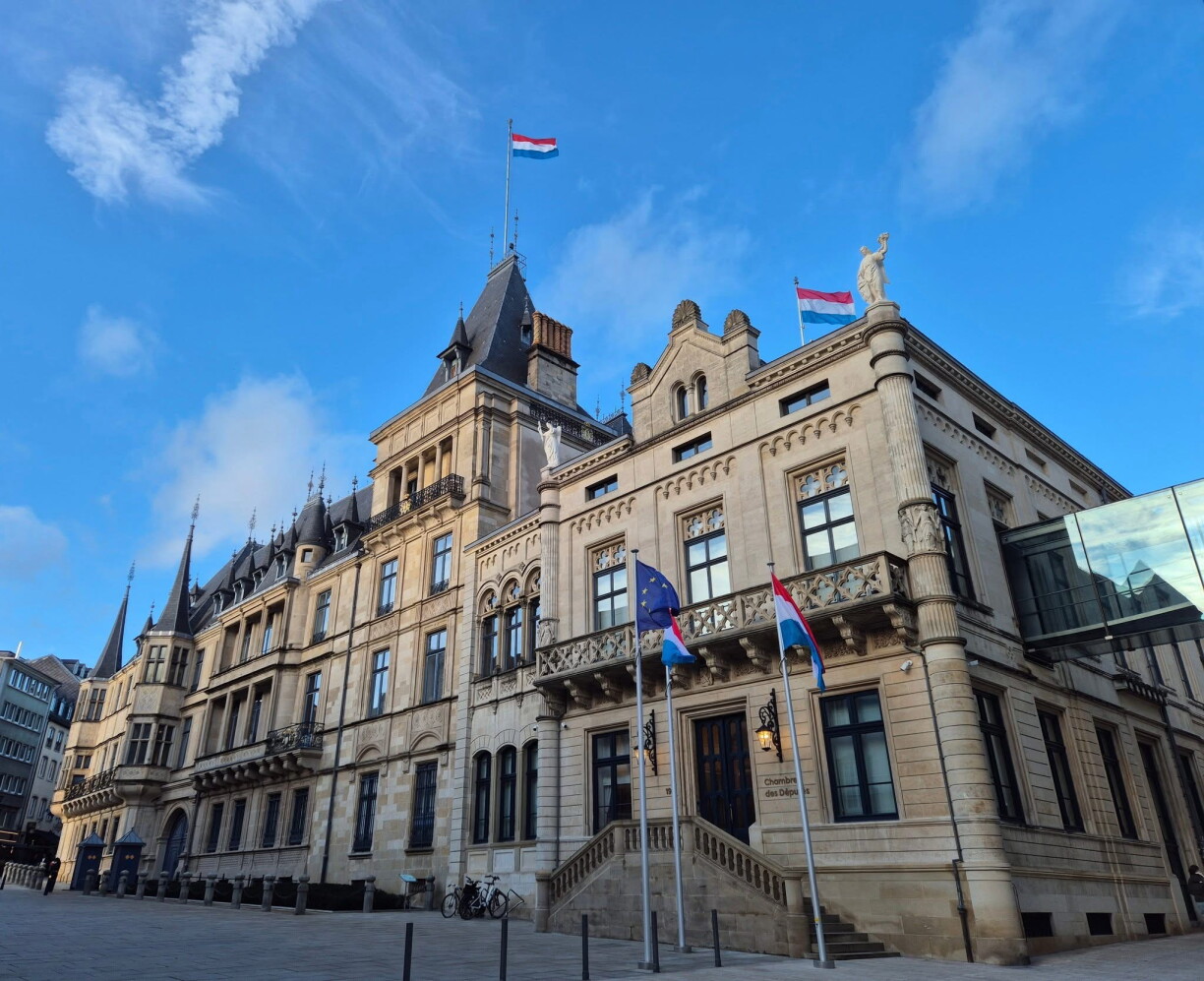
New standard – From 1 January 2028, Luxembourg will introduce a single tax class, called 'class U', making individual taxation the standard regardless of marital status. Taxpayers currently in classes 1 and 1A will generally move automatically to the new scale, which starts taxing income at €26,650. Each partner will be assessed separately and will no longer be jointly liable for the other's tax debt.
Who benefits? – Single taxpayers currently in class 1 are expected to save between €654 and €2,519 annually, depending on taxable income, while couples with similar earnings will generally also benefit. Couples with very unequal earnings could pay more under individual taxation, so eligible couples already in class 2 can retain joint taxation and income splitting until the end of 2052, or switch earlier. Couples marrying or entering a civil partnership from 2028 will use class U.
Critical opposition – The reform raises the single-parent tax credit to €4,008 annually, introduces a €5,400 allowance per child under three, and increases several deduction ceilings. It also restores automatic tax-bracket adjustments after every fourth wage indexation.
Opposition concerns centre on the estimated revenue loss of up to €850 million in the first year, whether benefits sufficiently target those in need, and the different treatment of otherwise similar couples depending on when they marry.
________________________________________________
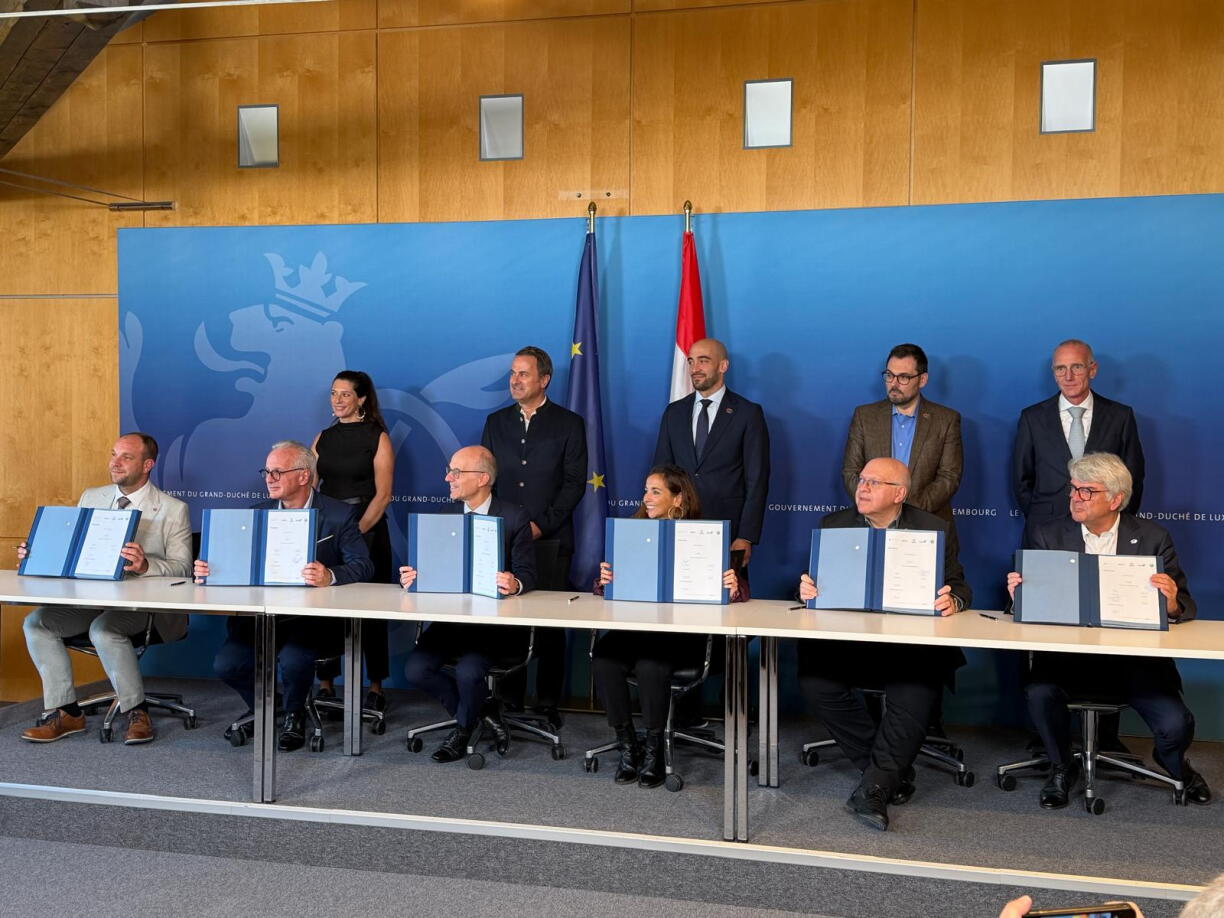
Tripartite agreement – Following another round of tripartite talks between the government and social partners, the electricity subsidy of four cents per kilowatt-hour and subsidies of 15 cents per litre of heating fuel and per cubic metre of gas will continue until 31 December 2027. The five-cent-per-litre discount on petrol and diesel will remain through February 2027 and expire in March.
Continued uncertainty – The government on Thursday presented the agreement as a way to protect household purchasing power and help businesses plan their energy costs amid international uncertainty. Ending the fuel discount also supports Luxembourg’s climate goals and the expected impact on consumers’ wallets appears to be marginal.
Projections – All unions signed the agreement, although their preferences differed: the Luxembourg Trade Union Confederation (OGBL) welcomed the year-long extension, the Luxembourg Confederation of Christian Trade Unions (LCGB) wanted the fuel discount extended further, and the General Confederation of the Civil Service (CGFP) had initially sought a three-month extension of all measures.
Employers welcomed greater predictability, with the agreement expected to help limit wage indexation to no more than two tranches over 24 months if projections hold.
________________________________________________
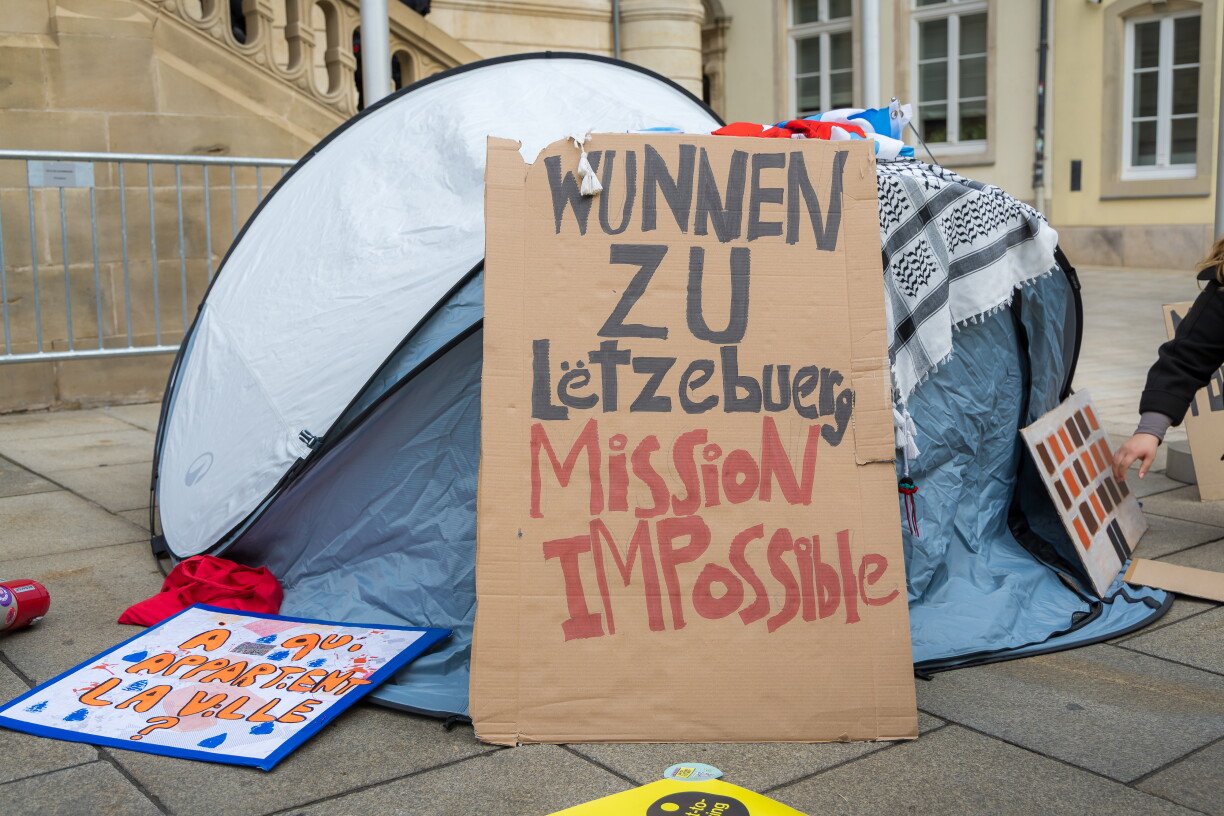
'Justice now' – Around 150 people, including members of youth organisations, gathered outside Luxembourg's Chamber of Deputies on 27 October, pitching tents and calling for "housing justice". Demonstrators expressed frustration that affordable housing has remained out of reach for years.
Concrete demands – Organisers demanded structural measures, including rent caps, more affordable housing, and a national housing commission. Young Socialists co-president Olivier Cano proposed monthly meetings led by the prime minister, bringing together banks, trade unions, and employers to coordinate reforms.
Frieden acknowledged the need for further action but stressed that measures should avoid unintended consequences for tenants and property owners.
Genuine dialogue – Police reinforced security inside and outside parliament, with all 60 deputies informed ahead of the demonstration. These precautions were taken despite organisers' assurances that the protest would be peaceful and no indications that violent groups would attend. Organisers also announced an upcoming meeting with Housing Minister Claude Meisch, with full expectations of genuine dialogue rather than a mere presentation of government policy.
________________________________________________
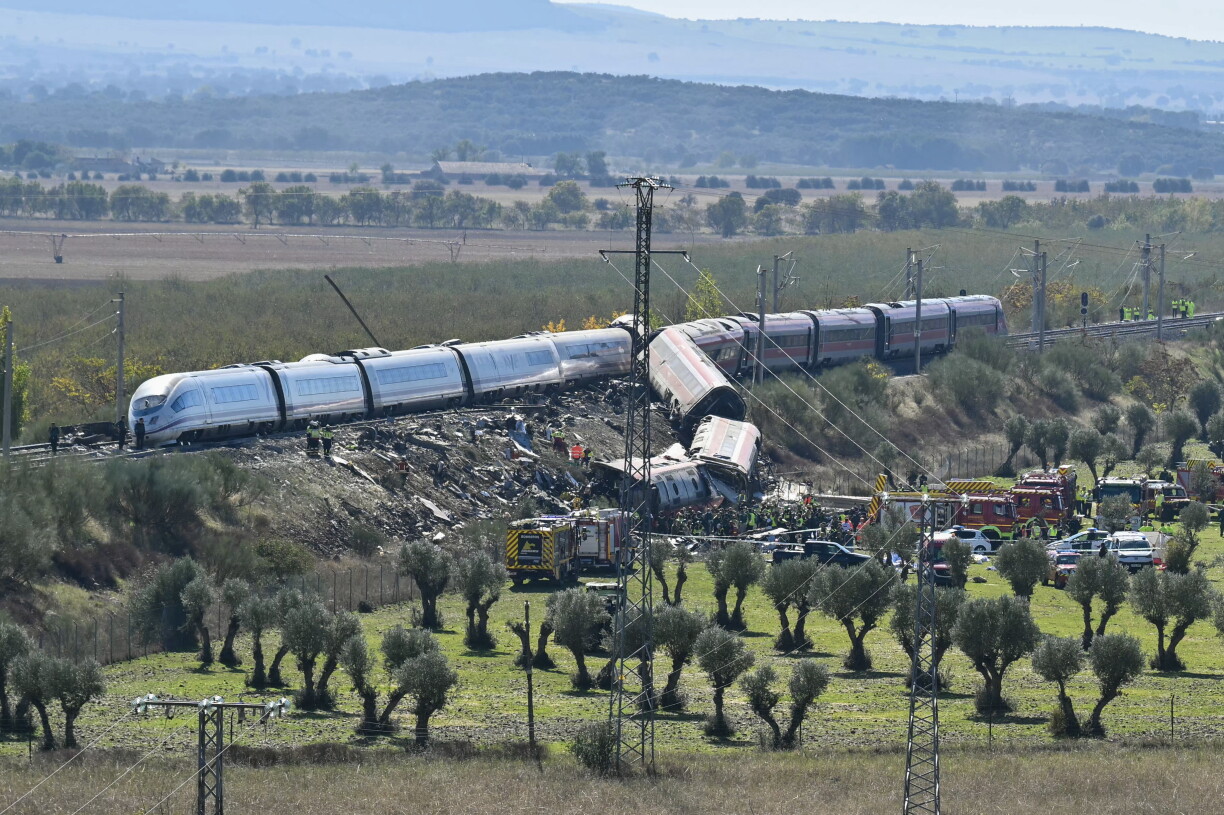
Fatal collision – The death toll rose from an initial report of 64 to at least 69, with more than 100 people injured, after two high-speed trains collided near Urda, around 130 kilometres south of Madrid, on Wednesday morning. A Renfe service carrying nearly 400 passengers struck the back of a stationary Iryo train with 152 people aboard. Both were travelling from Madrid to Seville, and the impact sent two Iryo carriages down an embankment.
'Inexplicable' decision – According to initial findings, the LZB signalling system failed at around 8.30am, forcing six trains to stop. The Madrid control centre subsequently authorised the Renfe train to resume its journey while the Iryo train remained ahead on the same track. Transport Minister Oscar Puente described that decision as "inexplicable", saying a red signal should have kept the Renfe train stationary; its speed at impact and the precise cause remain under investigation.
Second collision in 2026 – The collision was reported as Spain's deadliest rail disaster since 2013 and its second fatal high-speed train collision this year, following January's crash near Adamuz that killed 46 people. Prime Minister Pedro Sanchez pledged a full investigation and stronger safety measures, while his party suspended campaign activities ahead of November's election.
Services between Madrid and Andalusia remained suspended, with Renfe planning alternative transport from Friday ahead of the All Saints' Day weekend.
________________________________________________

Clear defeat – Flavio Bolsonaro, son of ousted president Jair Bolsonaro, led Lula in the first round but lost the runoff, with Lula securing approximately 52% of the vote. Bolsonaro refused to concede, alleged electoral fraud and promised a legal challenge. His claims lacked support from his own political camp: campaign coordinator Rogerio Marinho said there was no evidence of fraud, while other prominent conservatives accepted the result.
Great escape – Following his defeat, Bolsonaro left Brazil despite a Supreme Court order to surrender his passports in connection with ongoing investigations. He travelled with his wife and two daughters through Argentina and Ecuador before arriving in Florida.
The investigations include suspected corruption and money laundering involving financing for a biopic about his father. Bolsonaro denied wrongdoing, and Brazilian police said his departure did not make him a fugitive.
Viral ridicule – After arriving in the United States, Bolsonaro declared himself Brazil's elected president, then revised his statement to call himself its "leader" and pledged to direct the opposition from abroad. The declaration prompted public mockery and criticism, including from senior figures on the right.
With his party urging a move forward and São Paulo governor Tarcisio de Freitas emerging as a potential future presidential candidate, reports portrayed Bolsonaro's authority over the conservative movement as increasingly uncertain.
________________________________________________
Your Weekly Recap is published every Friday at noon.
Read earlier versions here.


