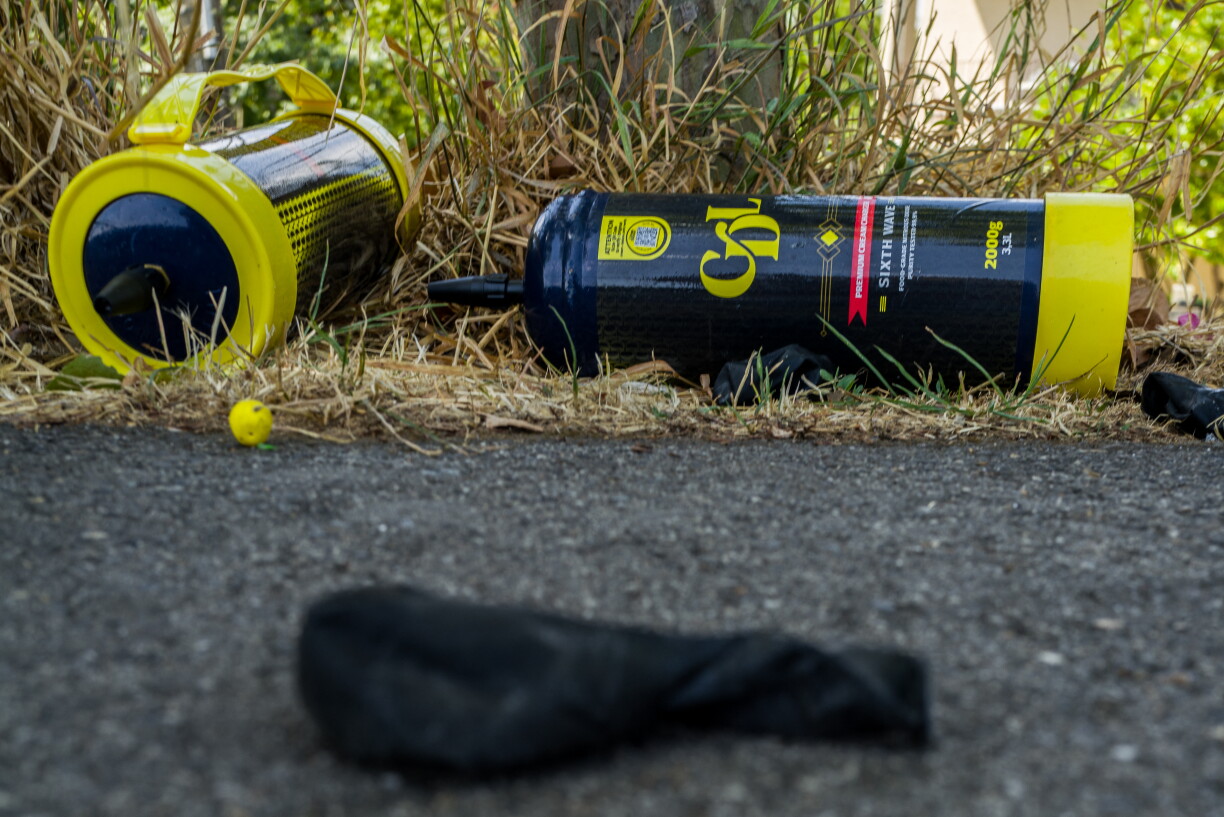
Used for over two centuries, nitrous oxide's euphoric, relaxing effects found use in dentistry, hospitality, and eventually as a party drug.
Nowadays mostly bought legally as canisters intended for use in whipped-cream dispensers, laughing gas established itself as the go-to for a quick and legal high.
The European Union Drug Agency (EUDA) traces its current popularity back to the 1990s rave and party scene, as well as festivals and clubs. By the mid-2010s, UK Home Office drugs-misuse data ranked it the second most-used drug, behind only cannabis.
While more and more countries have moved in recent years to regulate a substance that was once readily available, Luxembourg lags behind. Here, the sale of laughing gas to individuals is not banned, and there are no restrictions based on age or use.
While it's hard to say whether or not consumption has risen or fallen, what is clear is that the long-term effects can be devastating.
Laughing gas causes a short high, peaking shortly after inhalation and lasting at most five minutes, with possible side-effects including light-headedness and nausea.
Long-term use, however, can lead to chronic harm, including the inactivation of vitamin B12, which is vital for DNA production and nerve function – damage that may be irreversible. The EUDA identifies the gas' neurotoxicity as its most important chronic effect, warning that it can be permanent.
In France for example, over half of reported cases included sensory or motor problems.
SuperDrecksKëscht, the waste management initiative of the Ministry of the Environment, Climate and Biodiversity, recycled 12,558.6kg of nitrous oxide canisters in 2025. Almost all of that, 12,144.2kg, came from small canisters under three litres. Larger canisters, mainly meant for professional use, made up only 414.4kg.
The recycling figures have climbed steeply since the pandemic. The total was 124.5kg in 2022, 2,481.45kg in 2023, and 6,658kg in 2024, before nearly doubling again in 2025.
By September 2026, around 9,430kg had already been collected – about 9,287.4kg from small canisters under three litres and 140.2kg from larger ones. SuperDrecksKëscht projects roughly 12,567kg for the full year, putting 2026 on track to match, rather than exceed, last year’s record.
The issue has come up in parliament three times. In 2023, Chamber Vice-President Mars Di Bartolomeo raised it with then Health Minister Paulette Lenert. In 2024 and 2025, he pressed her successor, Martine Deprez, first on whether Luxembourg would follow Belgium in restricting access, then on health risks and prevention.
Paulette Lennert's answer established that usage in Luxembourg was "fairly marginal" and that the situation would be closely monitored.
Deprez was just as cautious. More canisters turning up at recycling centres did not necessarily mean more people were using laughing gas, she argued. The increase could also reflect more efficient collection, or a combination of both. In 2025 she stressed once again that there was no evidence of a surge among young people. Prevention efforts would go on, and the ministry would keep watching whether regulation abroad works.
While its actual popularity in Luxembourg is disputed, laughing gas, is a known staple of nightlife abroad, often sold in night shops and clubs.
According to the EUDA, reports of serious incidents involving nitrous oxide consumption skyrocketed in the late 2010s, prompting response from hubs like the Netherlands, the first EU country to outright ban its recreational use in 2023.
Belgium moved earlier, however, as Brussels introduced the first regional restrictions in 2020, and since 2023 a royal decree has banned recreational use nationwide, along with sales to minors and general retail – with the exception of medical, technical, or alimentary use.
Since April 2026, stricter rules have applied across Germany: minors can no longer buy or own nitrous oxide. Generally, canisters can no longer be sold through vending machines and online – restricting availability severely.
France has introduced similar restrictions, alongside sharp penalties – fines of up to €15,000 for inciting underage use, and up to three years in prison and up to €9,000 for driving under the influence.
It's disputed whether these restrictions have driven consumption down.
In Belgium, cleaning agency Bruxelles-propreté collected an identical quantity of canisters from the capital's streets in 2024 and 2025, around 75 tonnes each year, despite the ban.
In France, police recently made a record seizure of 30 tonnes being trafficked into the country.
In the Netherlands a study recorded a fall in nitrous oxide-related incidents before the ban, followed by a spike right after, while establishing an overall decline compared to pre-2023 levels.
The direct human health toll is only one part of the debate. The canisters themselves can be particularly dangerous if not recycled properly, exposing those responsible for their proper disposal to the risk of explosion due to gas leftovers.
In Brussels, a reported 500 explosions have taken place across recycling centres, with similar incidents reported in Luxembourg as well.
In March 2026, Commissioner Wopke Hoekstra reaffirmed the European Commission's commitment to tackling the gas' availability. A proposal still under discussion now wants to ban retail sale – subject to industry-related exceptions – which could happen as soon as February 2027.
While Luxembourg waits and watches, the decision may end up being made at an EU level. Asked about the push for Europe-wide regulation, the Health Ministry gave a familiar answer: “At this stage, the available data do not yet allow us to draw any firm conclusions on the effectiveness of these regulations.”


