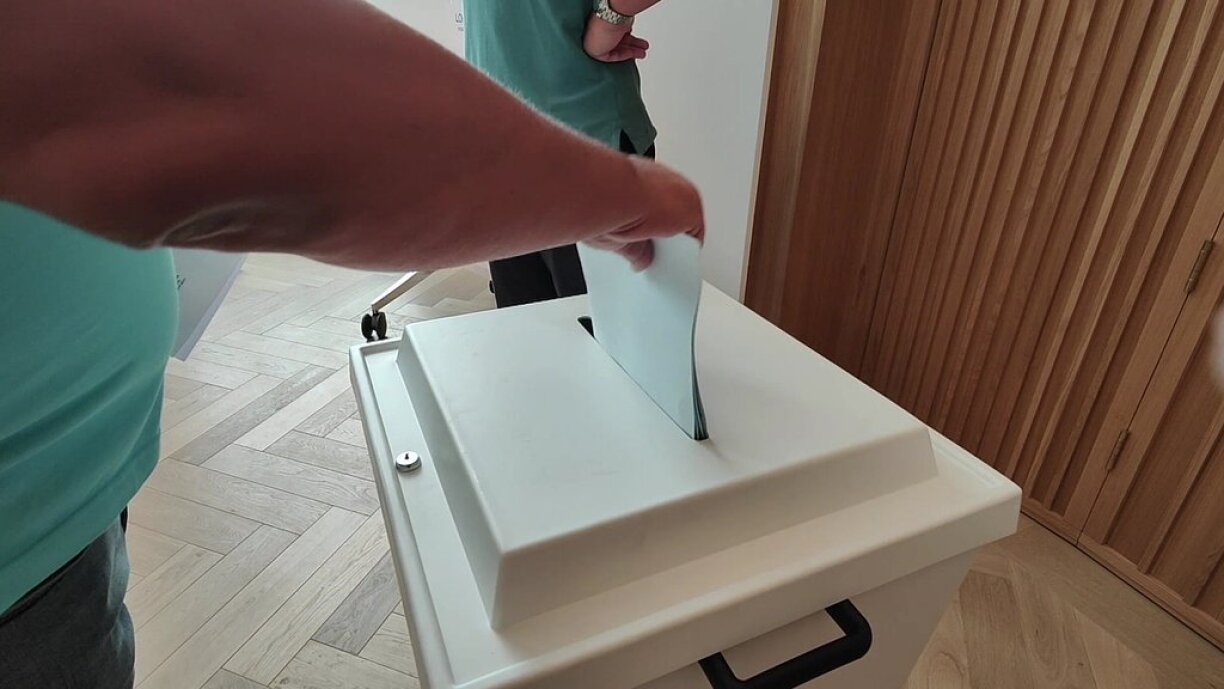
Even if minors are not allowed to vote in Luxembourg, it is still important for young people to get a timely introduction to the political processes of the Grand Duchy. This is one of the missions of the Centre for Political Education, which focuses on teaching youths how to vote, or how the Chamber of Deputies functions.
As young people are confronted with sheer amounts of information on social media from an early age onwards, familiarity with the basics of politics can help them make sense of stories and maintain an overview of what is happening in the country.
However, according to Kim Nommesch from the Centre for Political Education, it is not only young people that should learn to critically analyse information: "It is important to be able to assess whether or not to trust certain pieces of information. Where can I find trustworthy news? What do I do with candidates' discourses during an election campaign?"
Online tools such as FilterBubble.lu are designed to raise people's awareness of ideological echo chambers. Nommesch explains: "People leave traces when browsing online. Information that they see on social media or other channels and websites is then suddenly tailor-made for them. The risk is that people might end up believing that everyone thinks the same way they do and that they are less willing to consider other opinions."
To help people in general and youths in particular avoid these echo chambers, the Centre has made an array of educational material available on its website, which can be accessed and downloaded for free.





