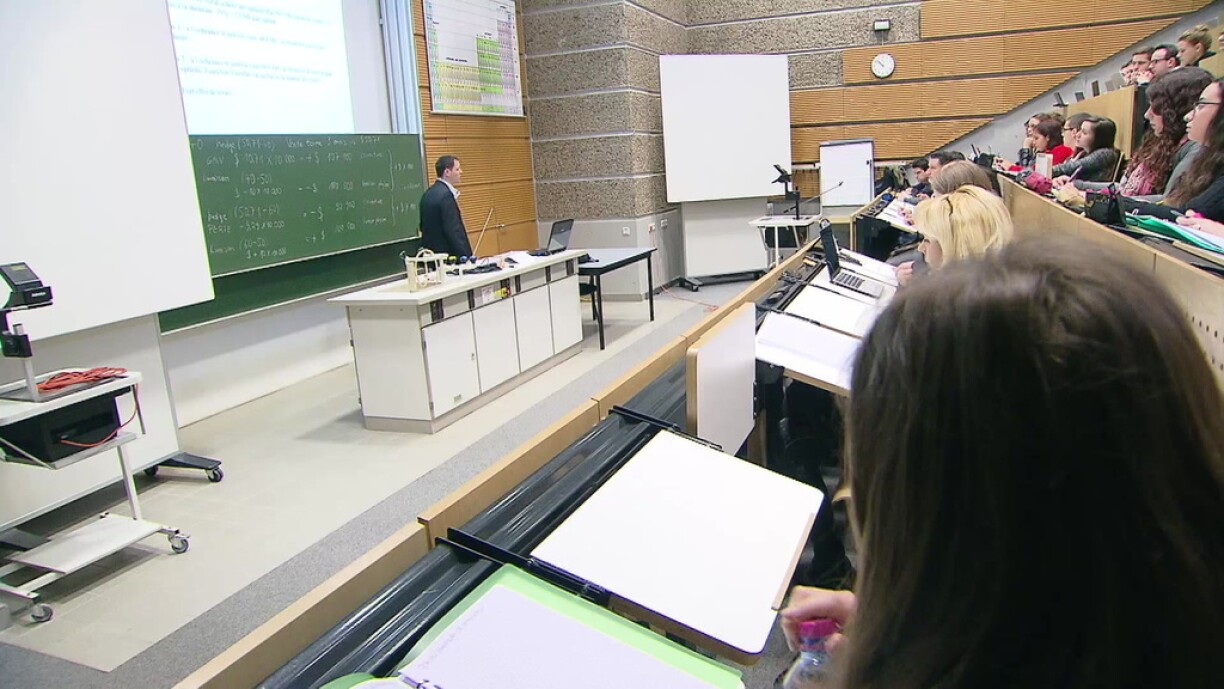
University students will be both moving to new homes and taking time to fill out applications for student grants. CEDIES, the entity charged with managing student grants and loans belonging to the Ministry of Higher Education, offers different types and amounts of financial aid for students depending on a number of factors.
The 2014 reform introduced a number of different criteria, namely how far a student's institution is from their home, their family's social situation, and the number of a household's children enrolled at universities. For the upcoming academic year, there are further changes but these only apply to non-resident applicants. These changes follow a European court ruling proclaimed on 10 July.
While the criteria will remain the same, the changes notably concern reference periods for cross-border workers and European nationals living in Luxembourg. These individuals must have worked in Luxembourg for five years in order for their children to be eligible for financial aid. In 2014, these five years of employment had to occur over a seven-year reference period.
As per the new reform, parents still must have worked in Luxembourg for five years, but those five years can be distributed over a period of ten years. Additionally, the children of those individuals who have worked ten years in Luxembourg, regardless of breaks, will automatically have the right to financial support.
A third change concerns the applicants for financial aid themselves, rather than their parents. If they have been enrolled in Luxembourgish schools for at least five years, whether primary school, secondary school, or other colleges, they again have the automatic entitlement to student grants.
However, the move has not been without criticism. The OGBL believes the reform will not apply for very long. Further to that, the trade union is against the different conditions applying to residents and non-residents. Instead, the trade union is adamant that having the same conditions apply to both could facilitate processes.





