With the help of an RTL camera crew, we were given a behind-the-scenes look at daily life inside the Beim Klouschter nursing home in Howald. From morning games of pétanque to music and motor skills exercises, the day is filled with activity, laughter, and attentive care.
Founded in 2002, the home accommodates around 120 elderly residents, the majority of whom are women, with an average age of 88. RTL followed the early shift to observe the rhythm of daily life in this warm and well-organised environment.
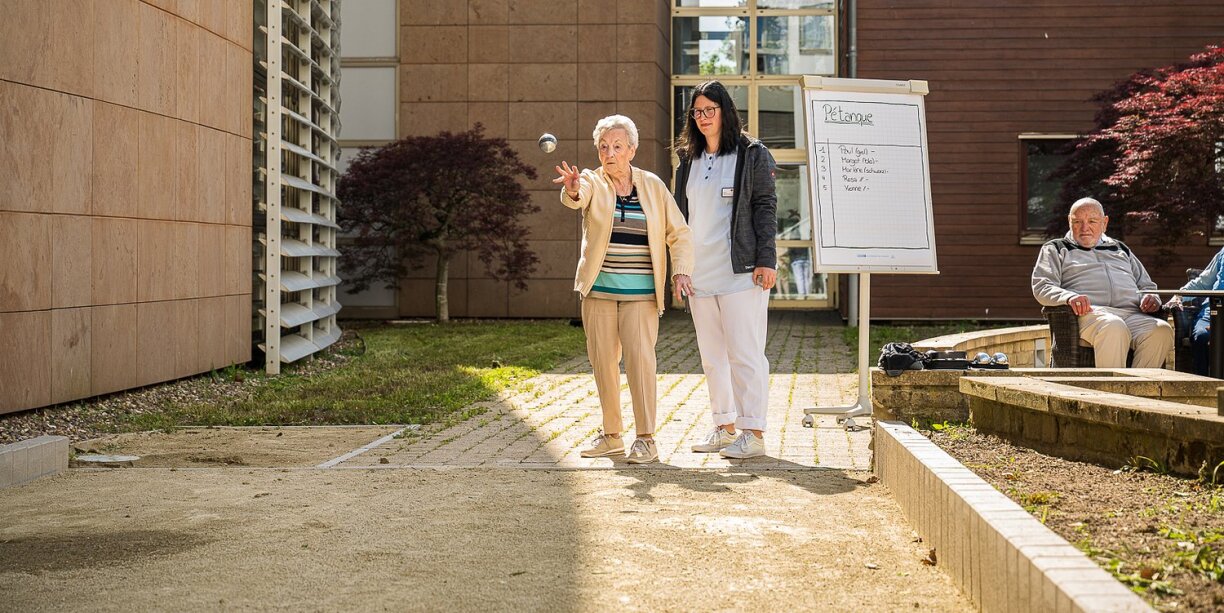
At around 10am on Thursday morning, half a dozen residents made their way to the garden behind the building to play pétanque on a newly built court – something the home council had long requested. One resident remarked that they had lobbied for it for quite a while and were delighted it was finally in place. Another resident shared how much joy it brings to play with others, calling it a lovely way to pass the time. "It makes me happy", she added. A third quietly confided that being able to participate in such activities at their age is something to be deeply grateful for.
While one group was enjoying their game outdoors, another was inside singing and making music. The choir is led by two carers who have completed additional training and guide the residents through well-known Luxembourgish songs, many of which they remember effortlessly.
Music plays a central role in life at the home, according to Xavier Thiery, who is in charge of the facility. The choir has been active for many years and helps foster a strong sense of community, offering both cognitive stimulation and sheer enjoyment. Residents sing and play instruments in a relaxed and cheerful setting, Thiery explained. He explained further that beyond the choir, the home organises a wide variety of other activities – from outings and holidays to market visits and even attending religious services during the Octave pilgrimage.
Just as important as the activities are the medical and therapeutic services provided to residents. The home employs a large team of paramedical staff including physiotherapists, occupational therapists, nurses, and nursing assistants. A doctor also visits the home regularly to check on residents' health.
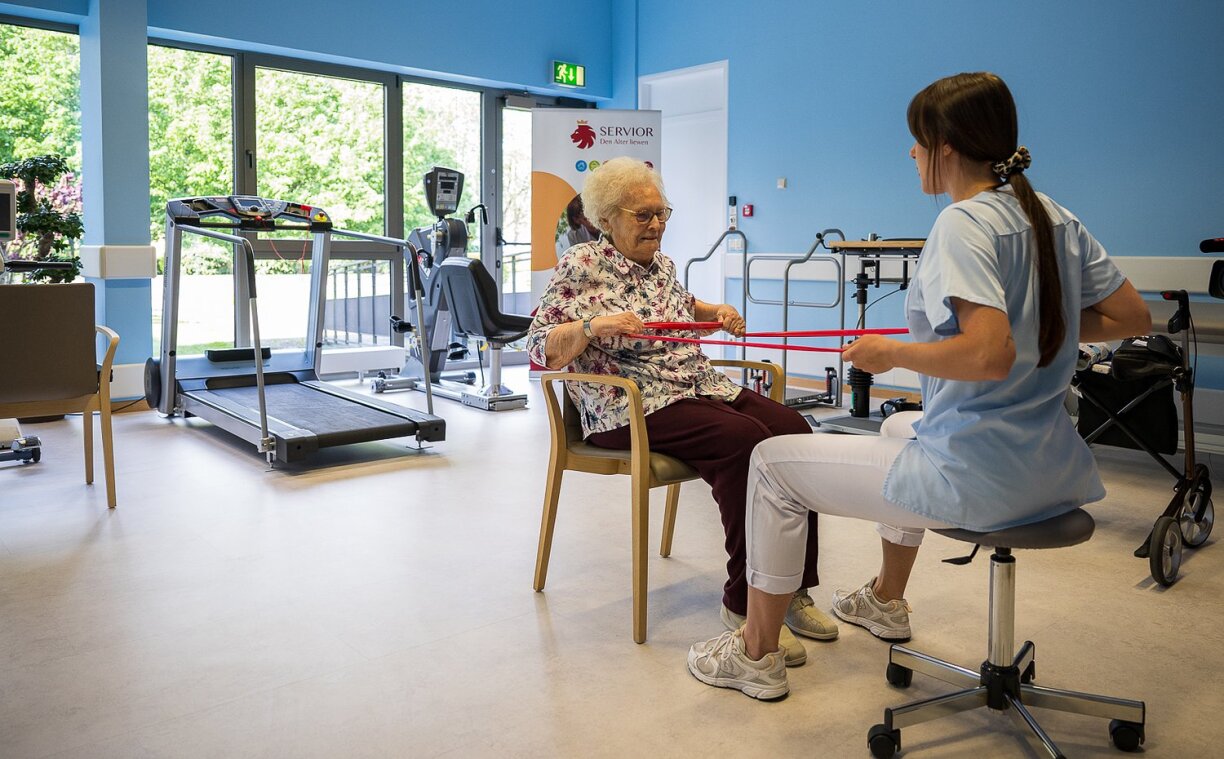
Physiotherapist Jasmin Streit explained that their mission isn't just about mobility, but also about maintaining residents' autonomy for as long as possible. She highlighted how essential it is for elderly people to retain the ability to care for their own hygiene, and that’s why exercises for arms, hands, and legs are so important. Based on a doctor’s prescription, each resident is assigned therapy sessions adapted to their individual diagnosis, according to Streit. Most residents receive physiotherapy one to three times a week.
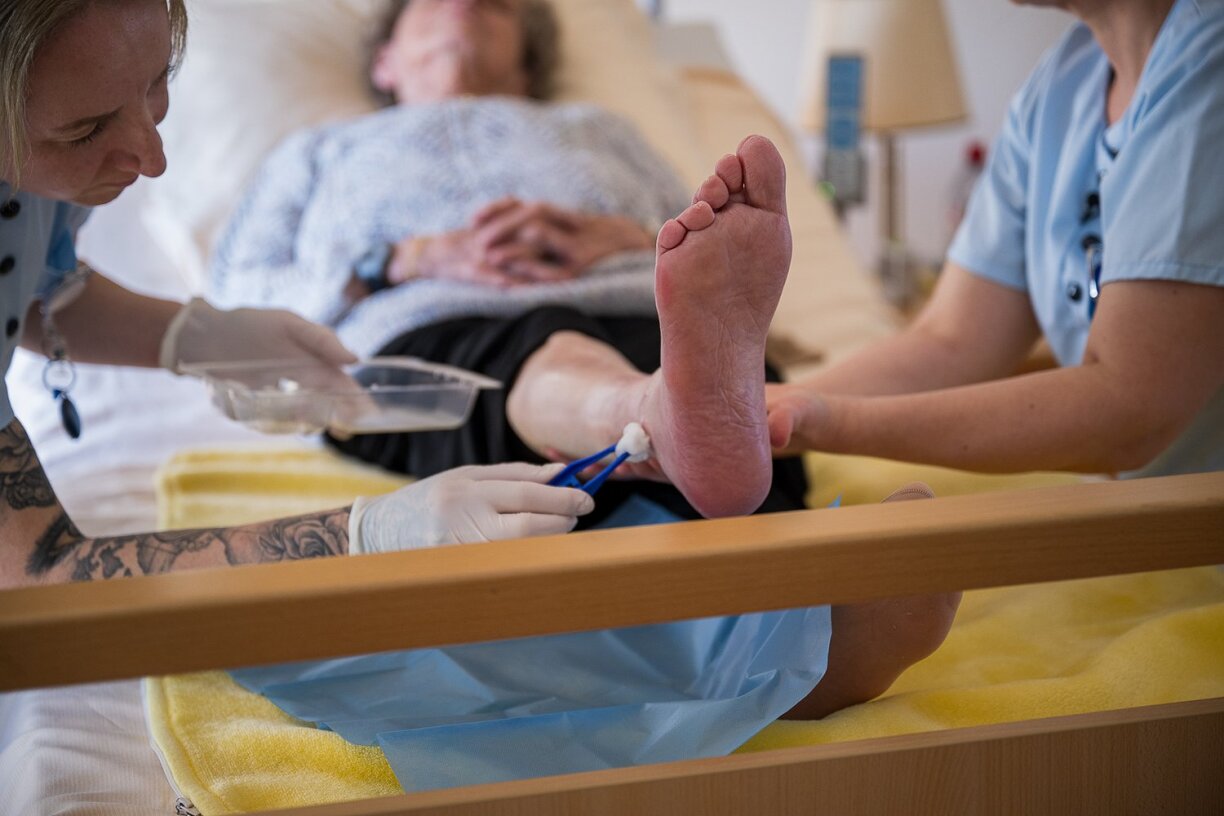
As life expectancy increases, so too does the importance of regular care. Staff frequently visit residents in their rooms to monitor their health and change bandages as needed. Nurse Beate Hornberger, who has worked at the facility for 12 years, noted that some wounds require daily dressing changes, while others only need to be redressed every three to five days.
General practitioners also play an important role. Dr Carole Goerens, for instance, visits the home weekly to care for her patients. As she explained, many residents are no longer mobile or may be affected by dementia, making trips to the surgery difficult or impossible. Home visits are therefore a crucial and much-appreciated service for many, according to Dr Goerens.
One particularly beloved visitor to the home is Joke, a seven-year-old golden retriever. This therapy dog brings joy and comfort to the residents, and the entire staff agrees that his presence is a great asset. Agnes Daemen-Steichen, who worked at the home with a therapy dog for ten years and now volunteers, described how the dog often triggers memories in the residents, reminding them of their own pets and encouraging conversation.
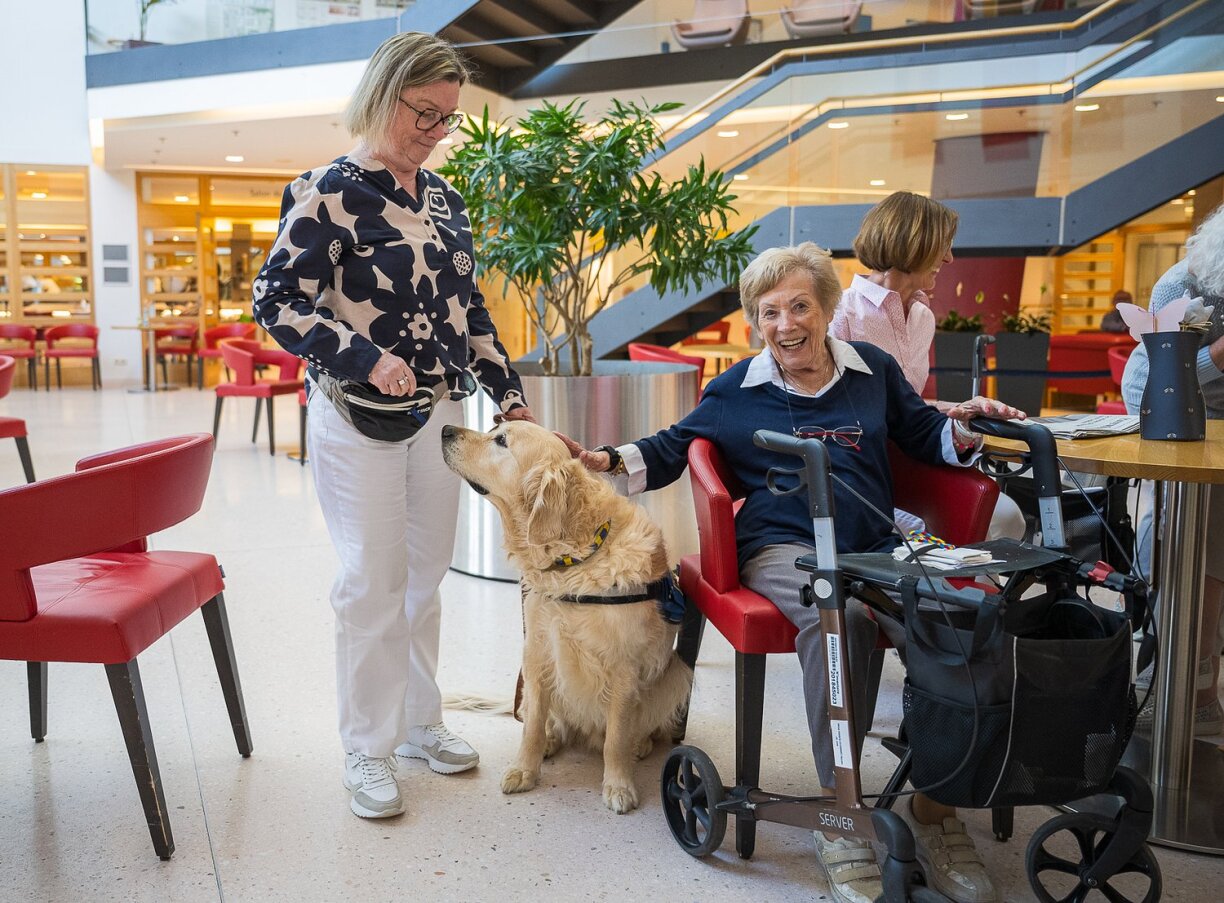
In her view, breeds like golden retrievers and labradors are ideal for this kind of work, and every care home should have a dog like Joke. As she walks him around the home, the residents' eyes light up with delight when they see him coming.
As midday approaches, the focus shifts to lunch. Today, residents can choose between green bean soup with pancakes or fish. And it becomes clear: even at an advanced age, many still have a healthy appetite.





