The EEA report, published on Thursday, has raised alarms as it highlights the presence of BPA in 92% of Europeans' bodies. This revelation stems from a study conducted in April by the European Food Safety Authority (EFSA), which significantly lowered the permissible daily intake of BPA for consumers.
In the 11 countries that took part in the BPA bio-monitoring initiative, the exceedance levels ranged from 71% to 100%.
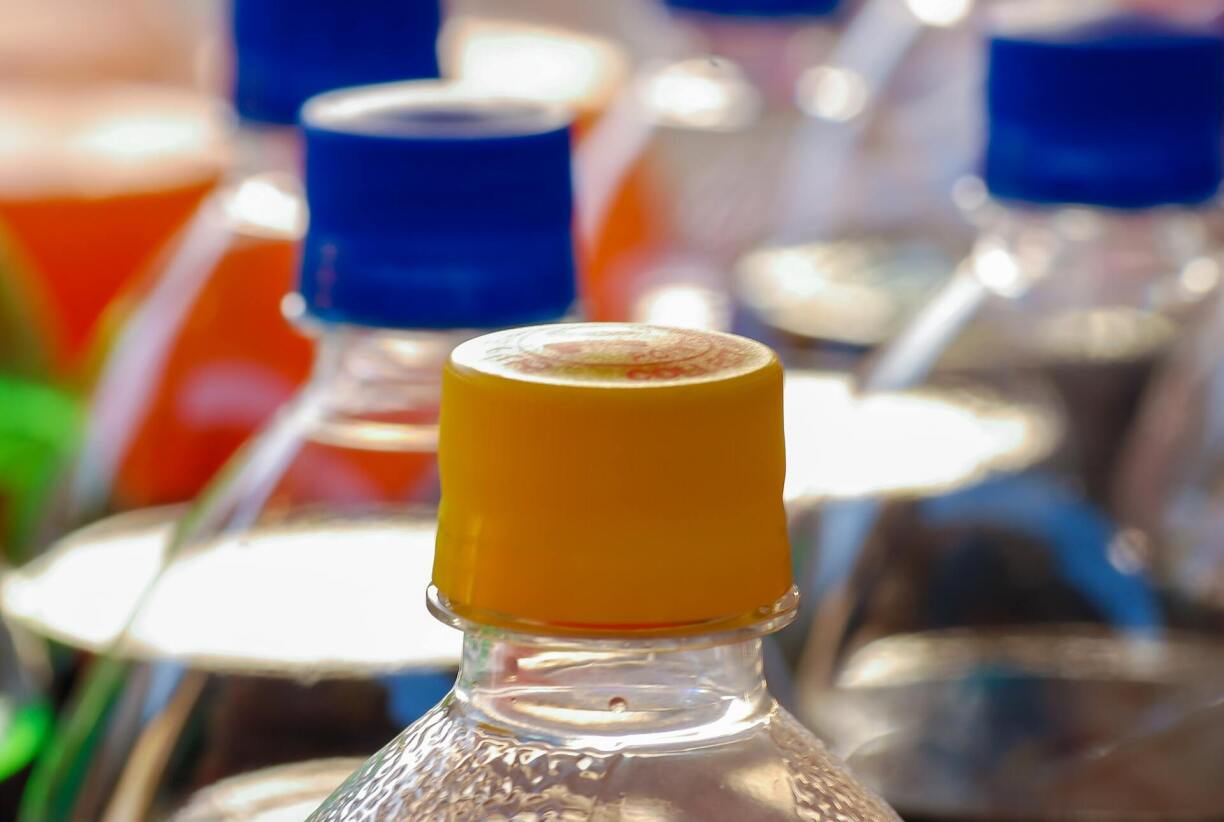
BPA, commonly found in plastic bottles, has been under scrutiny due to its suspected links to various disorders and diseases, including breast cancer and infertility.
The European environmental watchdog has expressed concern, asserting that BPA exposure "greatly surpasses acceptable health safety levels (…) posing a potential health risk to millions."
The study found that exceedance levels were highest in Luxembourg and France (100%). Conversely, Switzerland has the lowest rate of exceedance (71%).
The study examined BPA and two of its substitutes, bisphenol S and F, in the urine of 2,756 adults spanning the 11 participating countries between 2014 and 2020.
However, the EEA cautioned that these figures likely represent the minimum levels of exposure. "In reality, it is likely that all 11 countries surpass safety thresholds by 100%," the agency warned.





