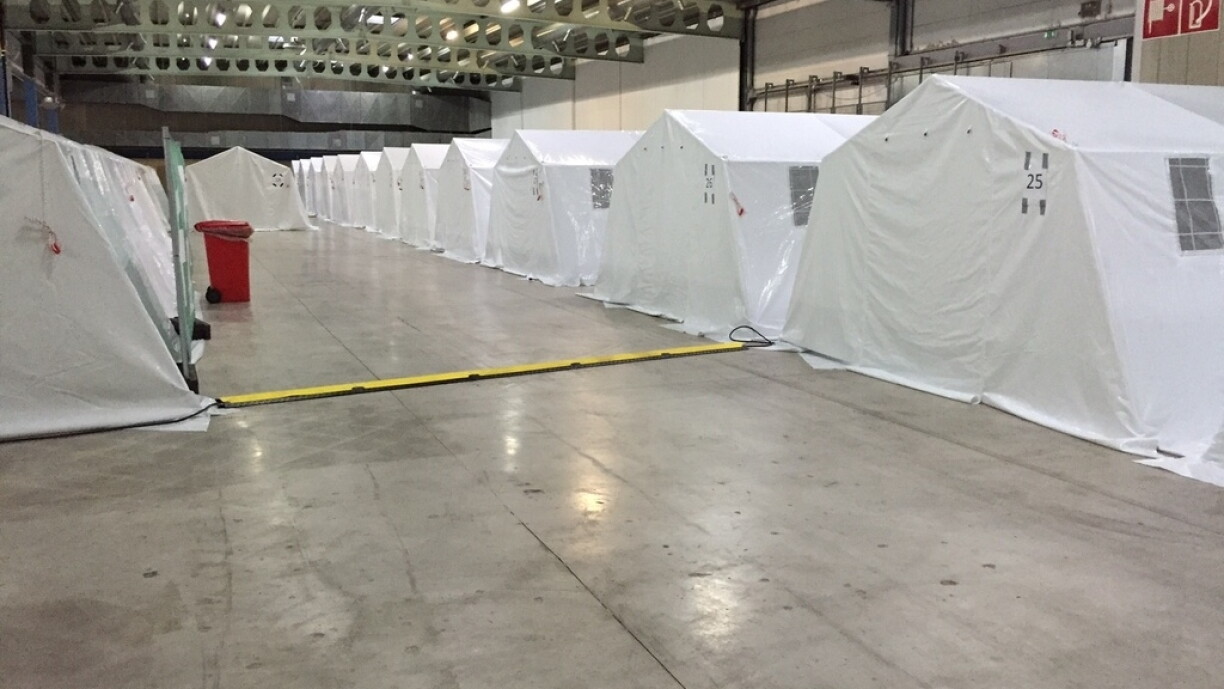
Asselborn's main means in relieving pressure on the existing refugee structure is by introducing smaller shelters spread over different municipalities. On Tuesday, the minister said as much at the first edition of the Municipal Elected Officials Day organised by Syvicol in Hesperange.
His message was clear: the current refugee shelters must be relieved of their pressure and the main actors in doing so are municipalities.
The minister explained that despite the fact that around 1,000 individuals were able to move out from refugee shelters in 2018, the shelters still experience a 80% occupancy rate throughout the country. As a result, the minister has called upon municipal authorities to build shelters for asylum seekers. He expressed a preference for smaller shelters rather than bigger institutions.
Asselborn's main proposal consisted of constructing buildings which could accommodate 33 individuals and that can be built in the space of nine months. He explained that these units would only require the space of ten ares. As the minister explained, the mayors of Dudelange and Bettembourg have both had positive experiences in creating smaller shelters. Asselborn praised their attitude and urged other municipalities to follow in their footsteps.
He argued for a paradigm shift away from large-scale refugee shelters built in times of crisis and appeared to be confident that he could convince other municipalities to built smaller units or purchase homes for refugees. Asselborn highlighted that funding would not be an issue, as the state would 100% fund structures meant for asylum seekers as well as 75% of the funds for refugee status beneficiaries.
Emile Eicher, the president of Syvicol, maintained that it is important to inform local residents of the plan to accommodate refugees in smaller units. He advocated organising plenary meetings, so that residents would be able to engage in the issue.
Asselborn concluded by stressing that Luxembourg will continue to be confronted by the migration phenomenon, under whichever form, over the next ten years. He vowed that the government would continue to support local authorities in this venture.





