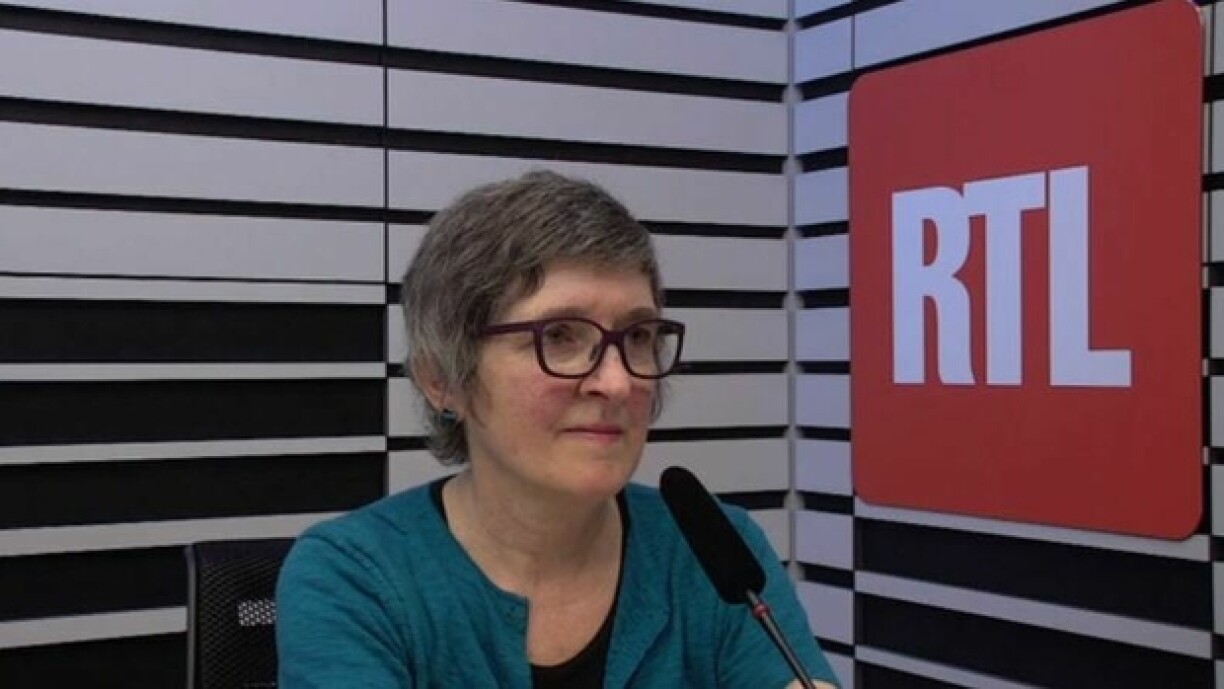
In 2017, Wagener published a book on the Jewish minority population in Luxembourg. What originally started out as a dissertation turned into an extensive questioning of why so few Jewish families received help during the Nazi occupation of World War II. Because in comparison, many young Luxembourgers who were drafted into the German Wehrmacht were supported in their attempts to avoid conscription.
In her book, Wagener discusses the origins of antisemitism. During the 19th century, hate for the Jewish community was still largely ingrained in the Catholic church, but by the turn of the century, that sentiment had steadily trickled down into the wider population.
Compared to other countries, antisemitism in the Grand Duchy during the 20th century was rather "latent", explained the historian. There are few reports of physical altercations, but as of the 1930s, incidents of Jewish businesses being smeared with insults started increasing. Similarly, more far-right groups distributed flyers with antisemitic slogans.
The Catholic church also continued defaming Jewish people by claiming that they were a race planning to take over the world. In the working class, antisemitic tendencies were fuelled by anticapitalist sentiments and claims that all Jews are rich con artists.
In today's day and age, antisemitism still exists, even in Luxembourg, explained Wagener. Tombstones are being smeared and hateful messages spread on social media. She further argued that the Covid protests during which virus sceptics donned yellow patches represented a belittlement of the Shoah.
The historian also warned that similar antisemitic feelings can occur on the far-left end of the political spectrum. They often cite the Israeli-Palestinian conflict as a grave injustice and compare Israeli soldiers to SS officers. "One sees this regularly on Facebook to this day", noted Wagener.
Many of the aforementioned stereotypes and prejudices are often handed down from one generation to the next, which is why proper education on antisemitism is so important, stressed Wagener. Schools in particular play a crucial role, same as the media and journalists.
Wagener also believes that the government has to do more. She explained that the Ministry of State recently hired a person specifically tasked with monitoring and fighting antisemitism in Luxembourg. However, she thinks that the situation further requires scientific analyses of hateful statements and events.





