Here are five things you should know at the end of this week:

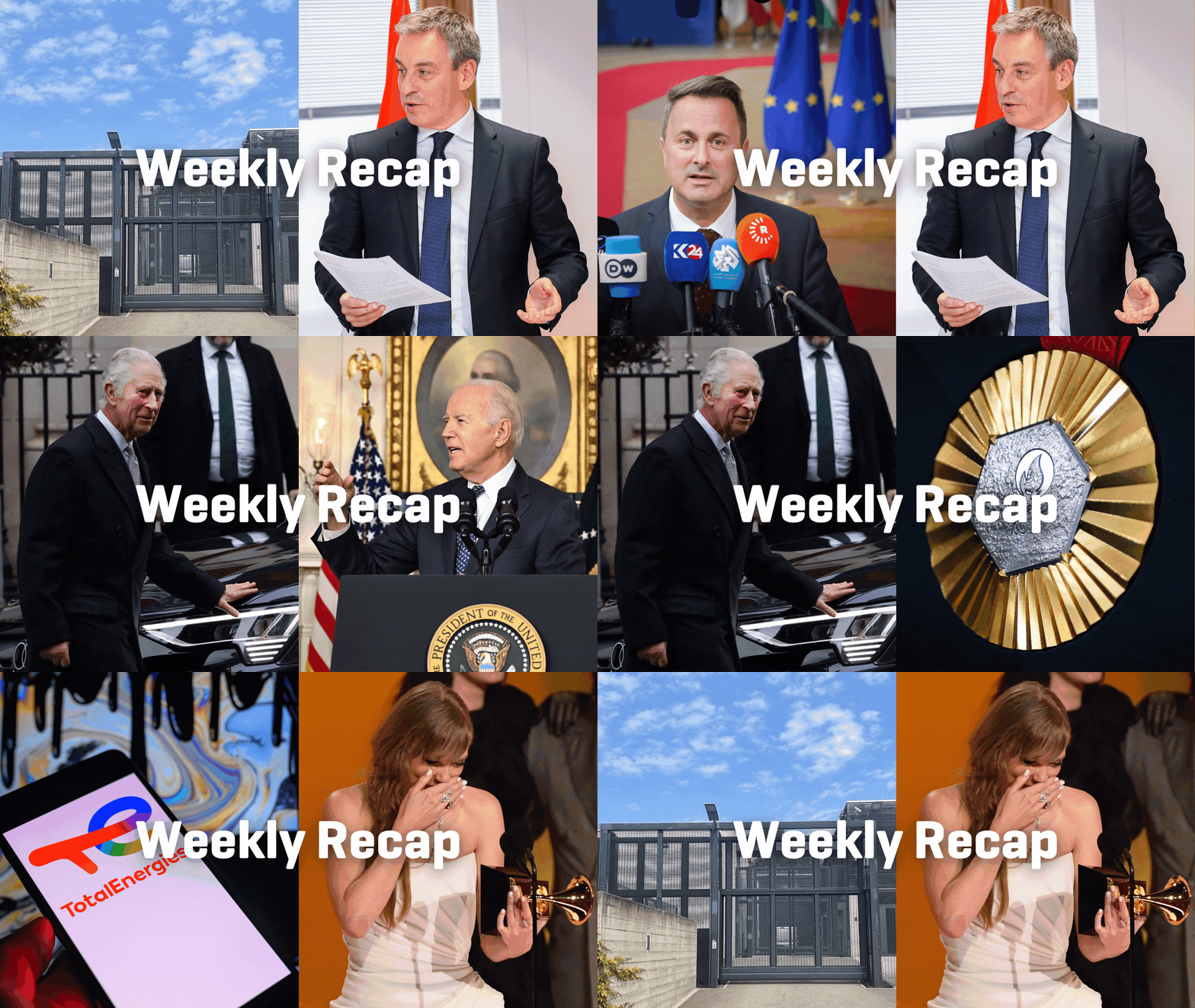
Education Minister Claude Meisch has been accused of violent behaviour towards a female Ministry official at a café, which he and the official deny, calling the accusations defamatory.
All allegations denied – The incident in question revolves around allegations made against Claude Meisch, who is accused of having been violent towards a female official from the Ministry of Education. The accusations stem from a video posted online by a young witness, detailing an incident that supposedly occurred at a café on Rue Chimay.
Despite the serious nature of the allegations, both Meisch and the official involved have categorically denied any form of physical aggression or violent behaviour. They describe the allegations as defamatory, with discussions of potential legal action against those spreading these claims.
Witness account – The crux of the allegations comes from a video shared by a student, who claims to have been present during the incident. According to her, she witnessed a "terrible" argument between Meisch and the senior official, during which a cup of coffee was spilled.
Meisch himself has acknowledged the occurrence of a heated conversation and the spilled coffee but has firmly denied any aggressive behavior. This has been corroborated by the senior official's denial of having been treated aggressively.
The witness's account, despite lacking evidence of physical assault, has sparked significant controversy, especially since she claimed to have heard Meisch utter a statement suggesting violence, a claim both parties involved deny.
PM reacts – In response to the swirling allegations, Prime Minister Luc Frieden has publicly addressed the situation, emphasising the importance of handling the matter with transparency and due diligence. Frieden has spoken directly with Meisch, who has denied the accusations of physical assault.
The PM's statement underscores the broader expectation placed on government officials to conduct themselves with integrity and exemplary behaviour, regardless of the circumstances.

The European Commission is considering action against Luxembourg for failing to fully implement Directive 2013/48/EU, which ensures crucial rights for individuals in custody, including legal representation and the right of minors to have their guardians informed.
Despite repeated warnings and a reasoned opinion from Brussels, Luxembourg has not demonstrated compliance with the directive.
Luxembourg faces potential fines for breaching EU law, amid concerns over its handling of juvenile detention, including housing minors in an adult prison and reports of misconduct in youth detention facilities.
Failing to meet legal standards – The European Commission has targeted Luxembourg for its inadequate implementation of Directive 2013/48/EU, a critical piece of legislation designed to safeguard the fundamental rights of individuals in custody. This directive outlines essential protections, such as the right to legal representation and the ability to communicate during detention, which are pivotal in upholding the legal standards across the European Union.
Repeat warnings – Despite receiving a letter of formal notice in November 2021 and a subsequent reasoned opinion in June 2023, Luxembourg has not provided satisfactory evidence of aligning its practices with the directive's requirements. This ongoing issue points to a significant gap in Luxembourg's legal framework concerning the protection of minors in detention, raising questions about the country's commitment to upholding European legal standards.
Fines on the horizon – The potential repercussions for Luxembourg's non-compliance with EU law could be severe, including substantial fines. This situation is exacerbated by the Grand Duchy's problematic record on juvenile detention. The housing of 27 minors in the adult Schrassig prison since 2019 and reports of drugs, sex, and lack of oversight at the Dreiborn youth detention facility cast a shadow over Luxembourg's handling of young offenders.
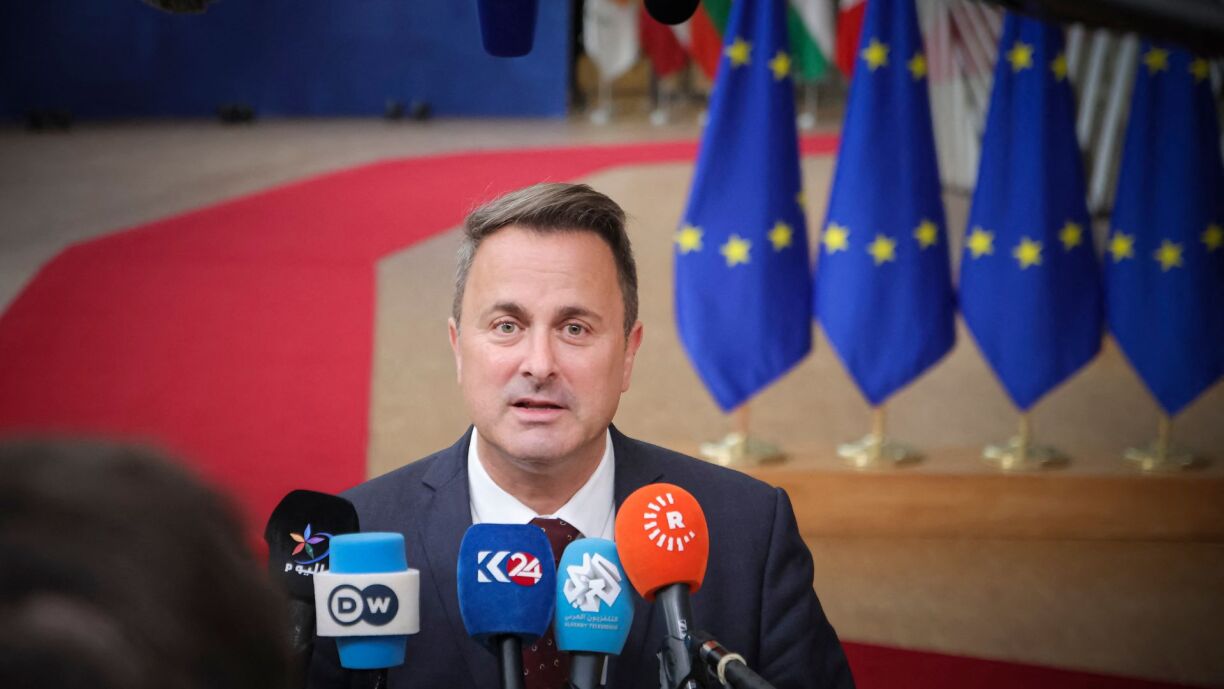
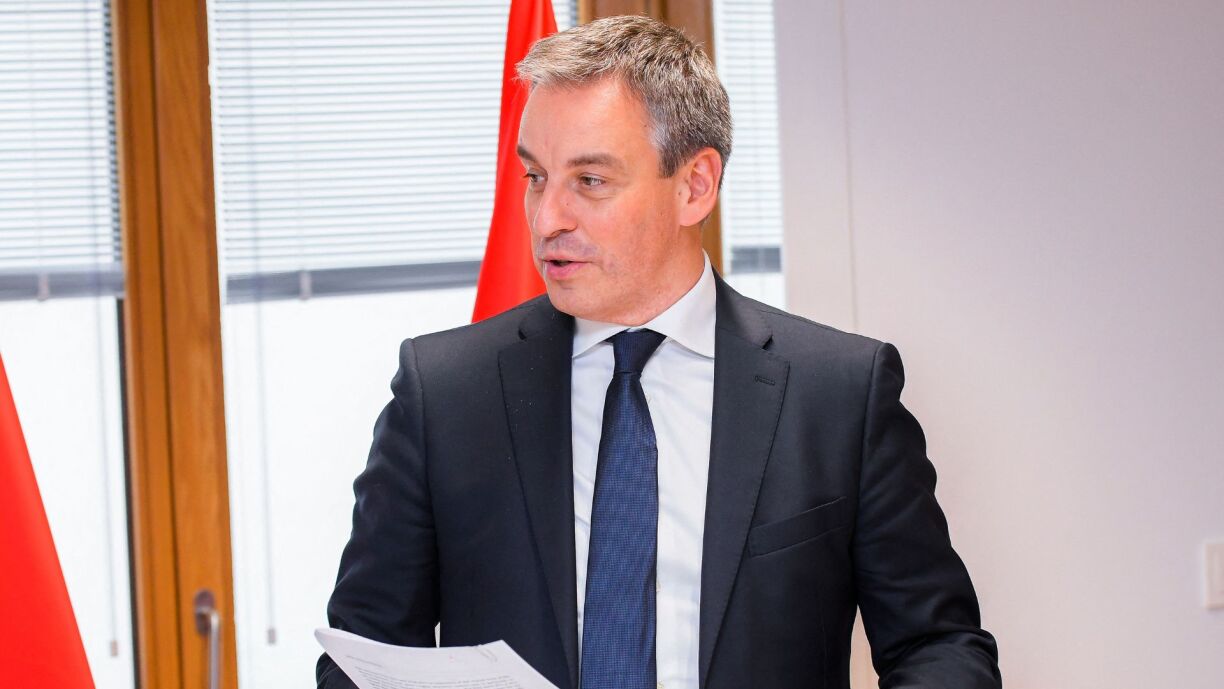
Xavier Bettel, the Minister for Development Cooperation and Humanitarian Affairs, announced that Luxembourg will not extend its bilateral cooperation with Burkina Faso, Niger, and Mali due to recent coups in these countries.
The decision excludes projects with NGOs and may be revisited if conditions in the countries stabilise.
Bettel highlighted the importance of dialogue and the safety of personnel, refusing to support governments led by coup plotters.
Bilateral cooperation to end – Luxembourg's Minister for Foreign Affairs and Development Cooperation, Xavier Bettel, made a significant announcement regarding the cessation of bilateral cooperation with Burkina Faso, Niger, and Mali. This decision comes in the wake of recent coups in these countries, highlighting Luxembourg's firm stance against supporting regimes that come to power through undemocratic means.
Support for NGOs upheld – Despite the halt in bilateral cooperation with the governments in quetion, Luxembourg's commitment to humanitarian and developmental assistance remains unwavering, as evidenced by the continuation of projects run by non-governmental organisations (NGOs).
Not talking to a wall – Safety and dialogue are central to Luxembourg's decision, as articulated by Minister Bettel. He expressed a reluctance to engage with leaders who have seized power through coups, metaphorically describing it as talking to a wall without openings for dialogue.
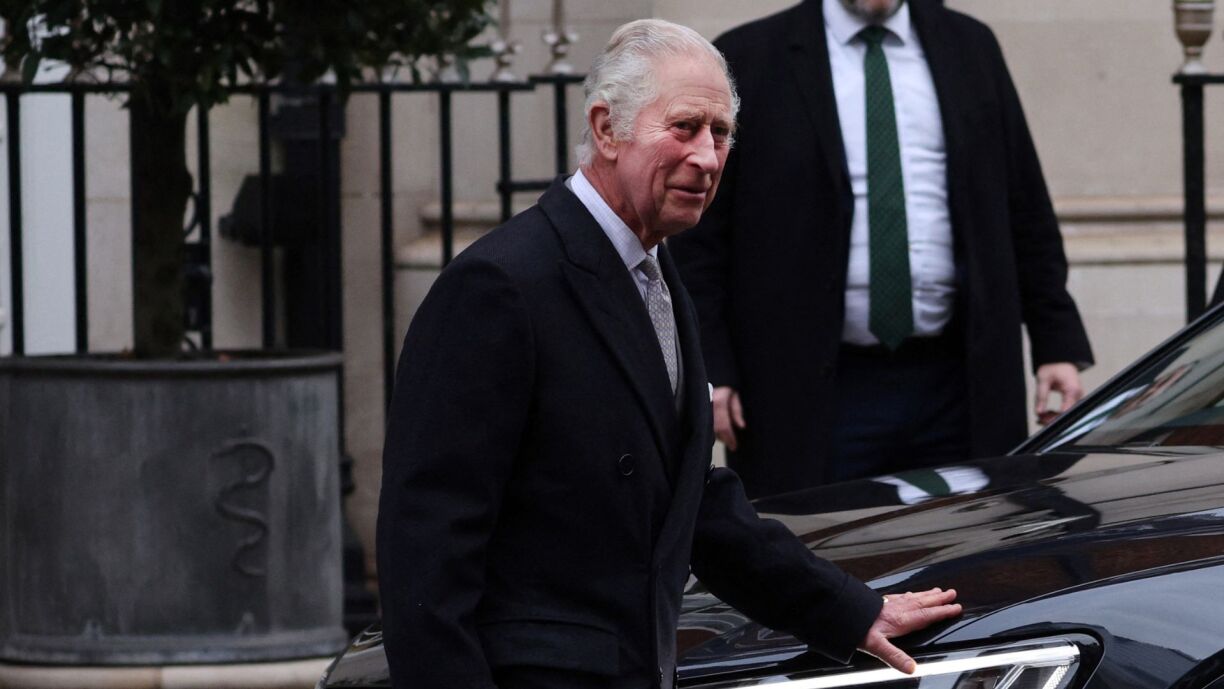
King Charles III has been diagnosed with cancer, a fact revealed after a hospital treatment for an enlarged prostate, leading to well-wishers and tourists outside Buckingham Palace expressing hope for his speedy recovery.
The public showed optimism due to the early diagnosis of the king's cancer, with some reflecting on the potential increased responsibilities for Prince William during Charles's treatment.
The king's openness about his health condition marks a departure from traditional royal privacy, with visitors outside Buckingham Palace praising the transparency and showing support for the royal family.
Shock announcement – The announcement of King Charles III's cancer diagnosis came as a shock to the nation, but life outside Buckingham Palace appeared to continue as usual with many tourists and well-wishers unaware of the news. Those informed expressed deep sympathy and concern for the monarch's health. The sentiment among visitors was one of hope, with many echoing the wish for a rapid and complete recovery for the king.
Prince William in the spotlight – The early detection of the cancer has sparked a wave of optimism among the public, with many highlighting the advancements in treatment that offer hope for the King's recovery.
The situation has also led to speculation about the increased role Prince William might play in royal duties while his father undergoes treatment. This period of uncertainty has brought the royal succession into focus, with the public expressing confidence in William's ability to step up as needed.
Breaking the stigma – King Charles' decision to publicly disclose his health condition represents a significant shift from the royal family's traditionally private stance on personal matters. This transparency has been met with widespread praise from those outside Buckingham Palace and beyond, who view it as a positive move towards breaking down the stigma often associated with illness.
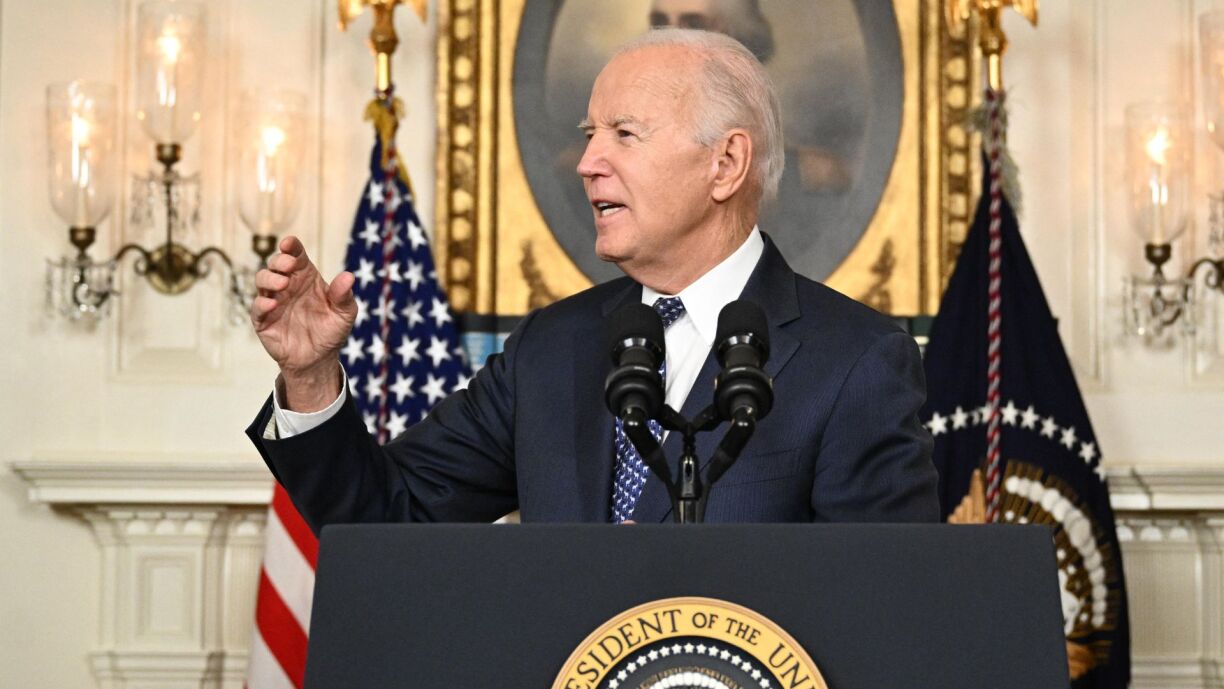
President Joe Biden has criticised an investigation by Department of Justice Special Counsel Robert Hur that found him mishandling classified documents and questioned his memory, but decided not to charge him.
Hur's report highlighted Biden's memory issues, including not recalling key events and periods, but concluded a conviction would be difficult due to Biden's presentation as a sympathetic figure with poor memory.
The investigation into Biden's handling of classified documents contrasts with that of former President Donald Trump, with Biden having returned documents to government archivists while Trump faces charges for mishandling classified information and obstructing justice.
Memory gaps alleged – The investigation led by Department of Justice Special Counsel Robert Hur into President Joe Biden's handling of classified documents resulted in significant criticism from Biden, especially regarding claims about his memory. The inquiry found Biden had improperly kept classified documents related to military and foreign policy in Afghanistan after his vice presidency.
Despite these findings, Hur decided not to charge Biden. During a news briefing, Biden expressed anger, particularly at the suggestion that he could not recall when his son died, a point he found deeply offensive and personal.
No charges pressed – The 345-page report released by Hur painted a concerning picture of President Biden's memory, suggesting "significant limitations". It detailed instances where Biden could not accurately recall his vice presidency period (2009-2017) or the year his son Beau died (2015), raising questions about his cognitive abilities.
However, the report also acknowledged the challenges in securing a conviction, as Biden could present himself to a jury as a sympathetic, elderly man with memory issues, making it difficult to prove wilful misconduct in handling classified documents.
Similar cases, different approaches – The context of Biden's mishandling of classified documents was contrasted with the case against former President Donald Trump, who also faces legal scrutiny over the handling of classified information. Unlike Trump, who is charged with wilfully refusing to return classified documents and obstructing justice, Biden cooperated with authorities by returning the documents to government archivists.
This distinction highlighted the different approaches taken by the two presidents in dealing with potentially sensitive material, with Biden's actions seen in a more favourable light despite the criticisms levied against him. Trump, leveraging the investigation's findings, called for the cancellation of his classified files trial, framing it as a step towards healing the country.
Business & Tech – OpenAI chief Sam Altman is seeking to raise trillions of dollars to reshape the global semiconductor industry, and has held talks with potential investors including the UAE government, the Wall Street Journal reported Thursday.
Science & Environment – French group TotalEnergies reported on Wednesday the highest profit of its history for 2023, underpinned by performances in its liquefied natural gas and electricity divisions as it continues to invest heavily in fossil fuel production.https://today.rtl.lu/news/world/a/2066108.html
Entertainment – Taylor Swift clinched her fourth Album of the Year Grammy, making history as the artist with the most wins in this category, surpassing legends like Frank Sinatra, Paul Simon, and Stevie Wonder.
National sports – Minister Georges Mischo on Tuesday outlined an ambitious vision for the future of sports in Luxembourg, emphasising the importance of increased funding and the integration of sports into daily life alongside nation branding aspirations.
Bid to resolve ambiguity – Former co-president of the Green Party, Christian Kmiotek, has filed a complaint against himself for begging in Luxembourg City.https://today.rtl.lu/news/world/a/2066108.html
Agriculture – On Wednesday, Luxembourg's young farmers staged a solidarity protest near the Schengen border, targeting EU agricultural policies while avoiding major traffic disruptions.

Your Weekly Recap is published every Friday at noon. Read earlier versions.





