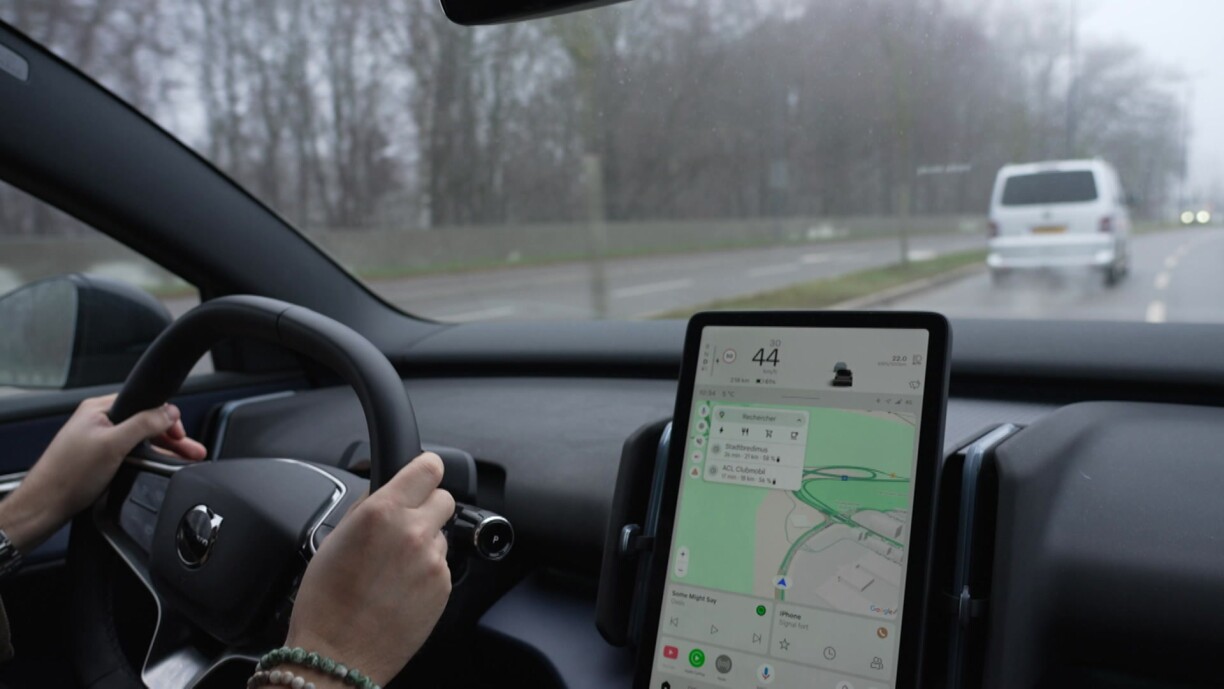
Since 2024, new cars in the European Union must be equipped with an automatic emergency braking system and a lane-keeping assistant, joining long-mandatory technologies like ABS and ESP. Despite the proliferation of these driving aids, the Luxembourg Motoring Association (ACL) notes that the number of serious traffic accidents in the Grand Duchy remains stubbornly high.
ACL President Dr Yves Wagner attributes this paradox to a concerning trend: motorists are becoming overly reliant on the technology. In his view, while beneficial, these assistants have led to a decline in fundamental driving skills as drivers place excessive trust in automated systems.
Official figures underscore the persistent road safety challenge. Despite a general decline, there were 1,130 accidents recorded in Luxembourg in 2024, resulting in over 300 severe injuries and 18 fatalities. For Dr Wagner, these statistics prove that "something is going wrong" on the path toward the EU's goal of zero road deaths.
He identifies driver training as a key issue, advocating for a back-to-basics approach. "New drivers should learn to drive a car like in the past, i.e., without assistant systems," he stated. This foundational experience, he argues, would give them a crucial understanding of a vehicle's physical limits, which electronics cannot overcome.
When questioned if the technology itself is harmful, Dr Wagner clarified that he believes in "many good systems." His core argument is that drivers must understand these aids are not infallible, especially in suboptimal conditions like poor road surfaces or unclear signage – a recurring criticism from the ACL regarding national infrastructure.





