Luxembourg has evacuated two patients from Gaza along with two accompanying individuals, marking its first participation in a European medical evacuation programme. While authorities confirmed the evacuees are technically expected to return home, they retain the right to apply for asylum. Due to capacity constraints, the government currently has no plans to handle similar cases in the future.
The patients arrived in Luxembourg on Thursday via Romania through the EU-coordinated medical evacuation framework. Although the Ministry of Health views this initial operation positively, the long-term status of the evacuees remains undetermined.
The Luxembourg government had agreed in mid-2024 to an EU and WHO request to accept Gaza patients, but logistical challenges delayed implementation by nearly ten months. Originally, authorities planned to receive patients already evacuated to Egypt. However, as Laura Valli, foreign affairs coordinator at the Health Ministry, explained, the procedure proved too sluggish and cumbersome, prompting a strategy shift.
The Ministry worked from a WHO-provided patient list but faced limitations due to Luxembourg's specialised medical capabilities. "Not all required specialisations are available here", Valli noted, causing delays. The breakthrough came when the WHO, present in Gaza, organised a large-scale evacuation for 9 April and invited Luxembourg to participate.
Upon government approval, the WHO provided multiple patient files for the Ministry of Health's final selection. According to Valli, the two patients now receiving treatment in Luxembourg face serious but treatable conditions with favourable recovery prospects.
While technically required to return to Gaza post-treatment, Valli acknowledged the conflict creates exceptional circumstances, as it is unclear whether they would even be able to go back. Patients retain full rights to either repatriate or apply for international protection, with the same options applying to their two accompanying relatives – though kinship is not strictly mandated under the programme. The Luxembourg Red Cross has arranged housing for all evacuees.
Addressing potential questions about Luxembourg's limited intake, Valli noted: "Not all EU nations have even participated in Gaza evacuations." While admitting four people constitutes a "drop in the ocean", she emphasised the life-changing impact for those individuals.
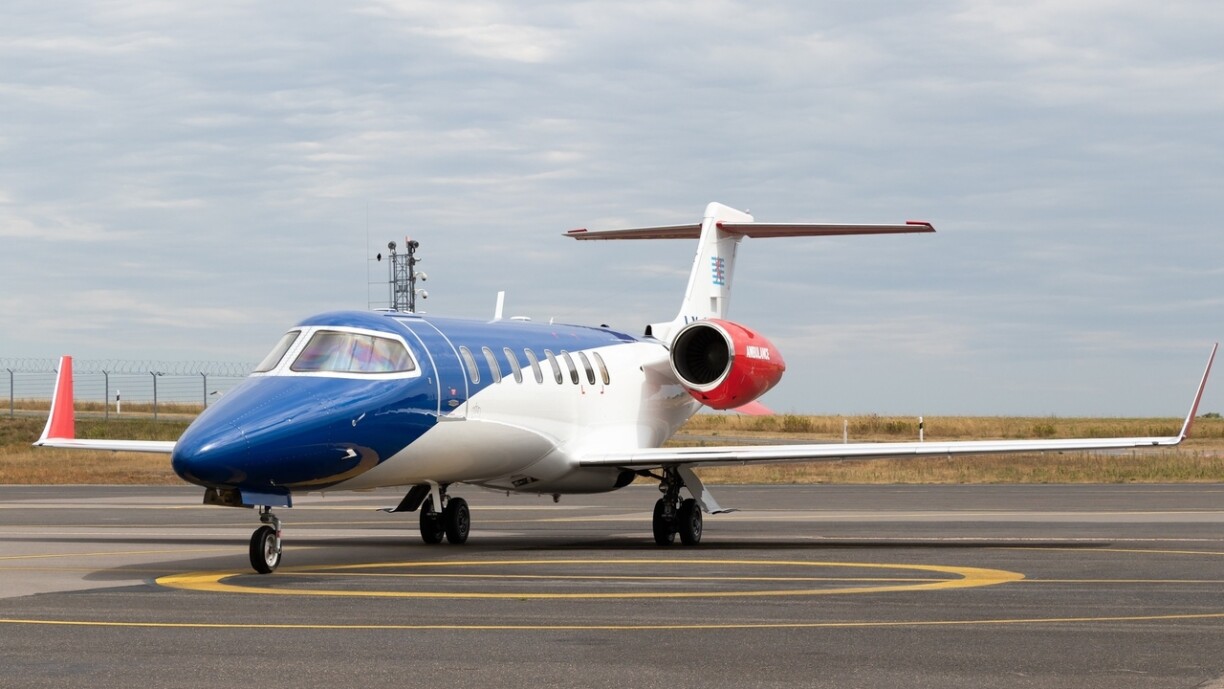
The April operation evacuated 47 patients distributed across four nations. The Luxembourg-bound group endured a 24-hour journey, delayed primarily at Gaza-Israel checkpoints before their Romanian aircraft transfer to Bucharest, with final transport handled by Luxembourg Air Rescue (LAR).
No further Gaza medical evacuations to Luxembourg are currently planned through the EU programme.





