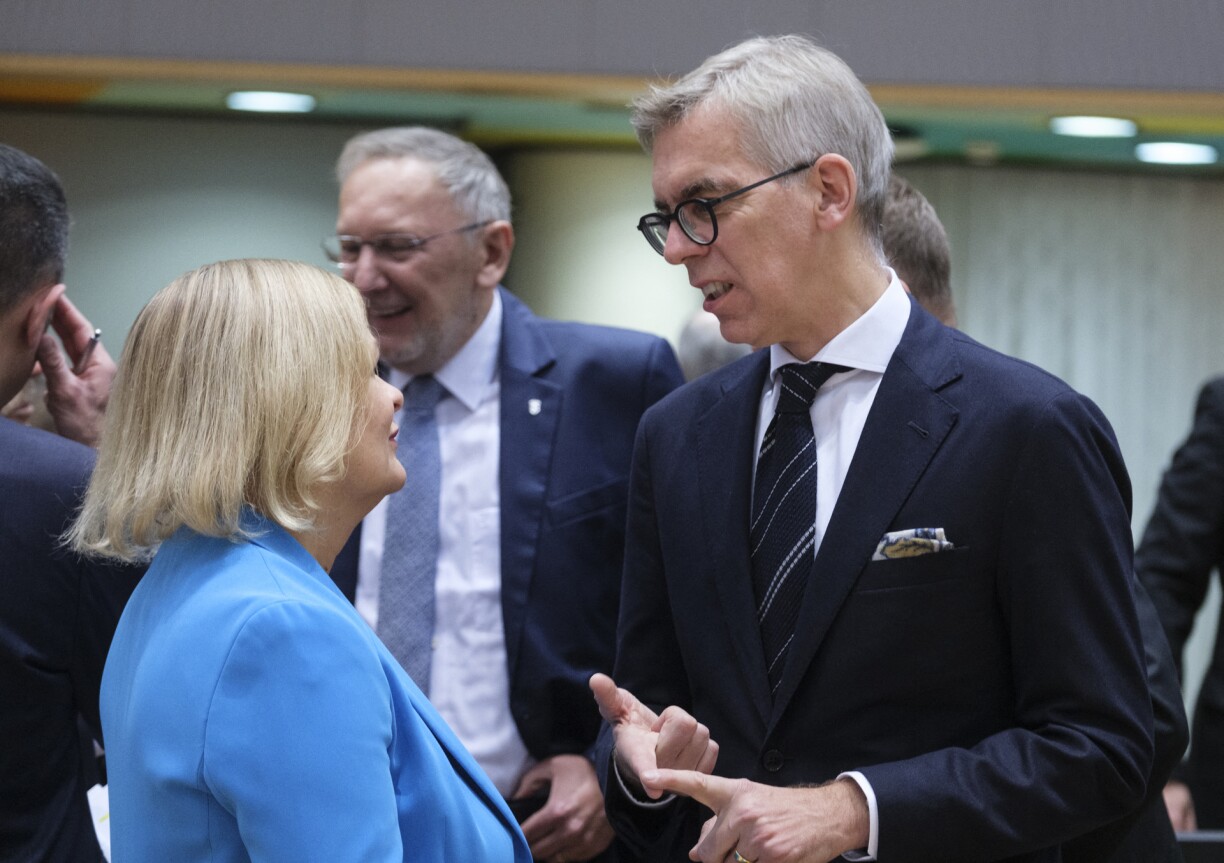
Minister for Home Affairs Léon Gloden has detected what he describes as a “Luxembourgish influence” in the coalition agreement of Germany’s incoming government.
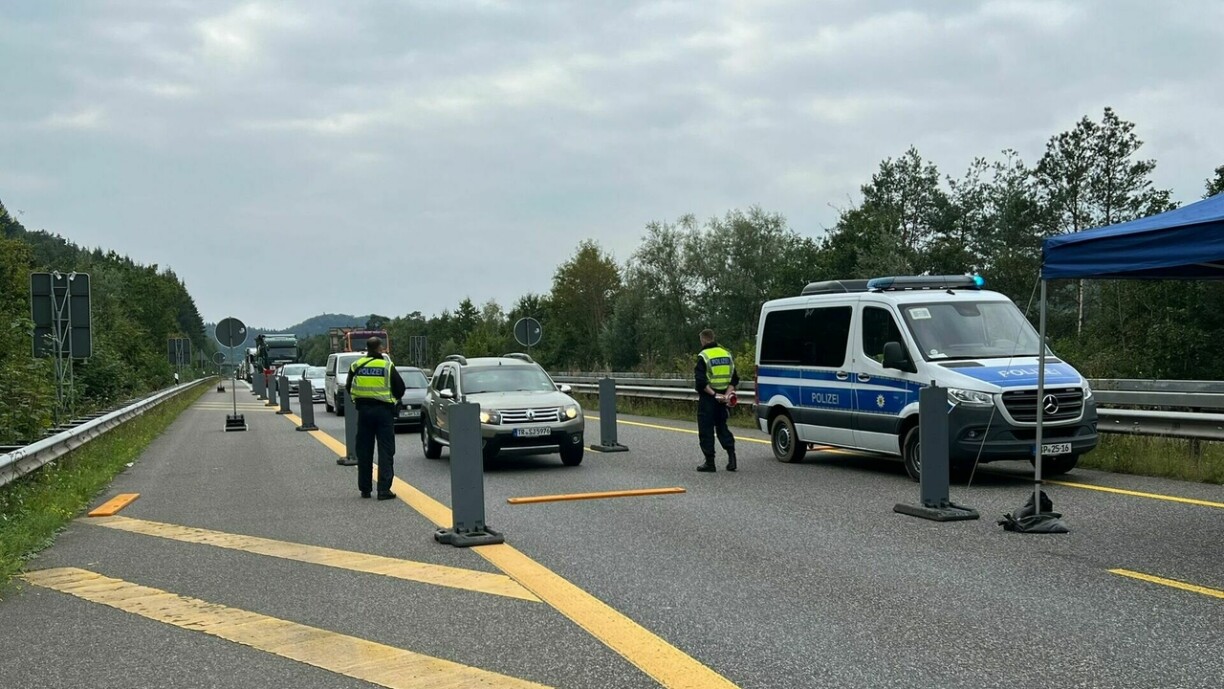
On Wednesday, Germany’s Union parties (CDU/CSU) and the Social Democratic Party (SPD) finalised their coalition negotiations. The agreement – still pending approval by the respective parties – includes an extension of border checks with neighbouring countries. These checks have significantly affected the approximately 55,000 cross-border workers commuting daily between Germany and Luxembourg.
Over the past months, Minister Gloden has repeatedly called for an end to the checks or, at the very least, for them to cease being permanent. While the new German government still intends to prolong the measures, Gloden believes progress has been made.
In an interview with our colleagues from RTL Radio, Gloden noted that “due to pressure from the Luxembourg government and numerous bilateral discussions” with German Interior Minister Nancy Faeser, the coalition agreement no longer states that Germany will unilaterally turn people away at its borders. Instead, it now includes an “explicit reference” to the German government engaging in bilateral talks with neighbouring countries.
When questioned whether relations might improve under a potential Christian Social Union (CSU) interior minister – such as Alexander Dobrindt, whom Gloden has met before – the minister said it was too early to tell. He reiterated Luxembourg’s stance that border checks are not in the interest of either country. Beyond economic concerns, Gloden emphasised the need to prevent residents from normalising borders again.
The Luxembourg government will also maintain its complaint with the European Commission. Gloden stressed that the Commission must take responsibility and evaluate whether Germany’s measures remain justified and proportionate.