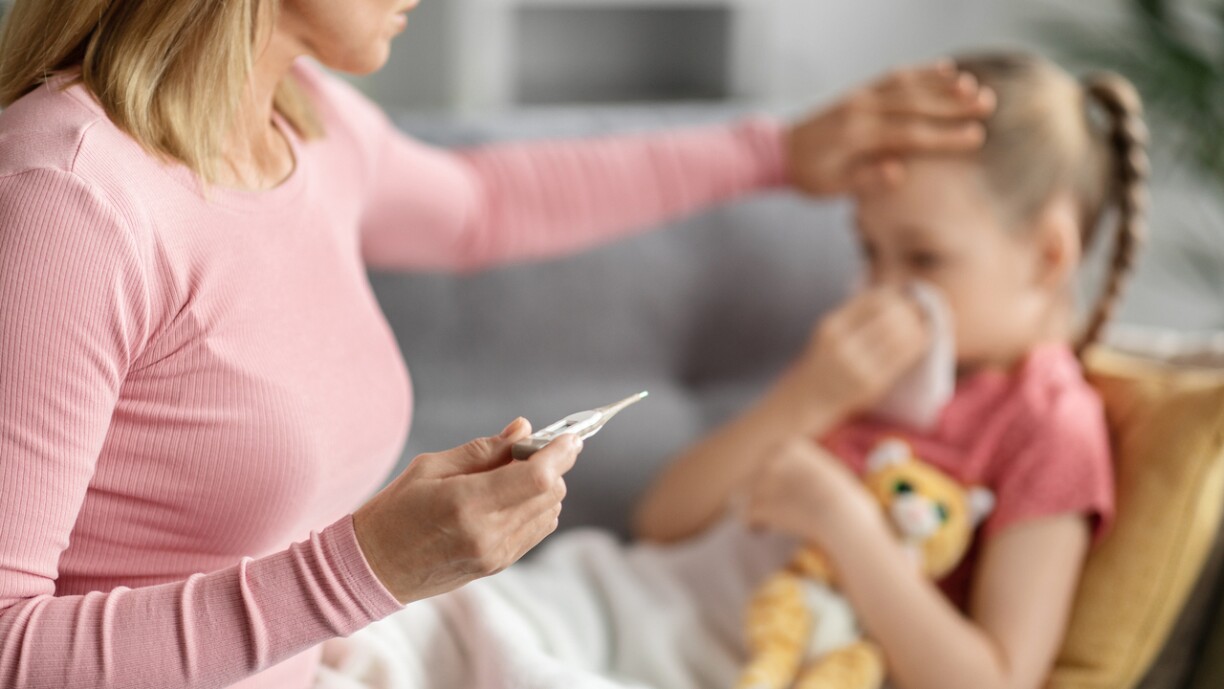
It has become a part of daily life for many people and especially families: flu season is in full swing, as confirmed by the main laboratories in Luxembourg.
Upon RTL's inquiry, Jean-Luc Dourson, the manager of a BioNext laboratory in Kirchberg, confirmed a considerable increase in infections in comparison to other months of the year. He has primarily observed a rise in respiratory tract infections.
The rising "trend" has also been noticed by LNS, the National Laboratory of Health. Dr. Thomas Dentzer explained that "Influenza A viruses are most frequent" at the moment. Due to the dry and cold temperatures, the mucous membrane of many is drier than usual, which makes patients more vulnerable to respiratory infections. The doctor added that this increase in infections has been witnessed in past years as well. Nevertheless, people were more cautious during the Covid-19 pandemic and immediately sought out a doctor to test themselves.
BioNext released a detailed spreadsheet showcasing that 40% of kids younger than 11 years old were tested positively to the influenza A virus in January. 17% of the remaining tests confirmed an influenza B virus infection. Overall, 57% of the tests confirmed a respiratory infection, with respiratory syncytial virus (RSV) accounting for 10% in the same age group.
Among individuals up to 18 years old, influenza A and B continue to dominate test results, accounting for a total of 60%. In contrast, flu infections decrease in older age groups, though they remain present. Meanwhile, Covid-19 no longer plays a significant role in any age category.
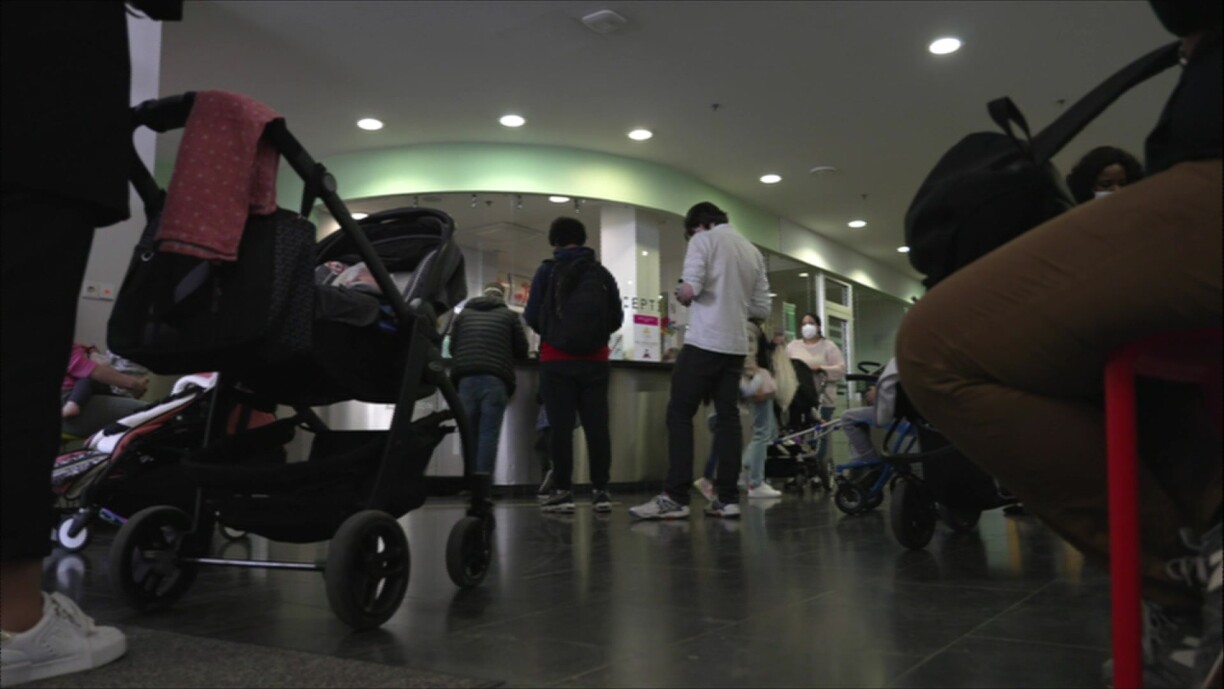
RTL unsucessfully tried to get in touch with several medical centres and pediatricians to conduct an interview. The impossibility of talking to a doctor on Tuesday perfectly encapsulated the rush they are experiencing due to rising flu cases. Some medical centres have even extended their opening hours to 9pm in order to consult every child.
Even though there are no clear statistics stating the reasons of absences, the Ministry of Education has announced that "the number of absences in school – as in other sectors – is closely correlated to the current wave of sickness, for instance the flu".
The health and security of the child is a priority. If staying at home is necessary for the child's recovery, then the child should have the chance to do so, according to the Ministry. Especially in cases of fever and contagious infections, such as viruses which settle on the respiratory tracts.
When in doubt, parents should seek out their pediatrician's advice. If a child is already at school and not feeling well, the teaching staff is allowed to send them home. The Ministry of Education puts particular emphasis on "the condition that the parents have been informed and someone can pick up the pupil".
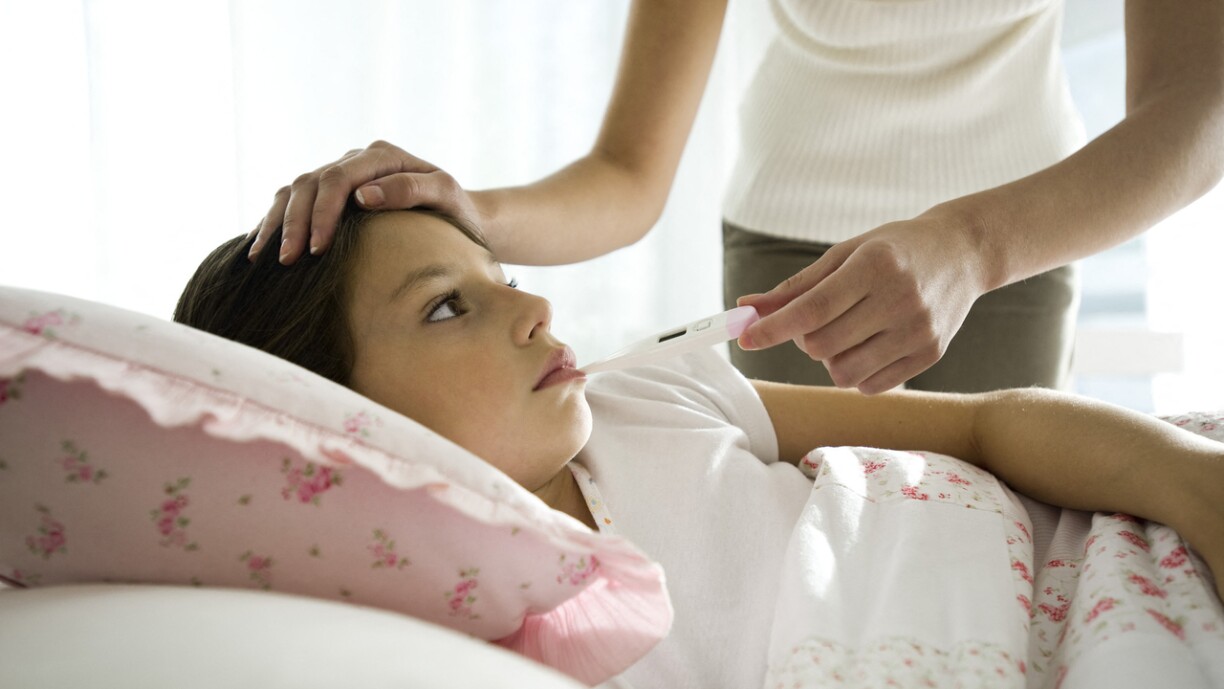
Above all, the absence of a pupil needs to be signalled to the school from the first day, no matter the duration. The parents also need to submit a written excuse, whether on paper or electronically, within three days. For absences exceeding three days, a medical certificate needs to be submitted by the fourth day.





