Helping people in need means more to Doctors Without Borders than just sending medical teams to crisis areas or organising vaccination campaigns in remote regions. It also involves raising public awareness and clearly and emphatically denouncing injustices around the world.
In the 1970s, it was the famine in Biafra. Today, it’s the way in which war is being waged in Gaza or the many refugees drowning in the Mediterranean Sea.
This, according to Dr. Engy Ali, the new president of MSF Luxembourg, is not contradictory to the principle of political neutrality MSF abides by. MSF helps everyone in need, regardless of who they are, and does not take political sides. However, it does not hesitate to make political statements as witnesses to those who suffer.
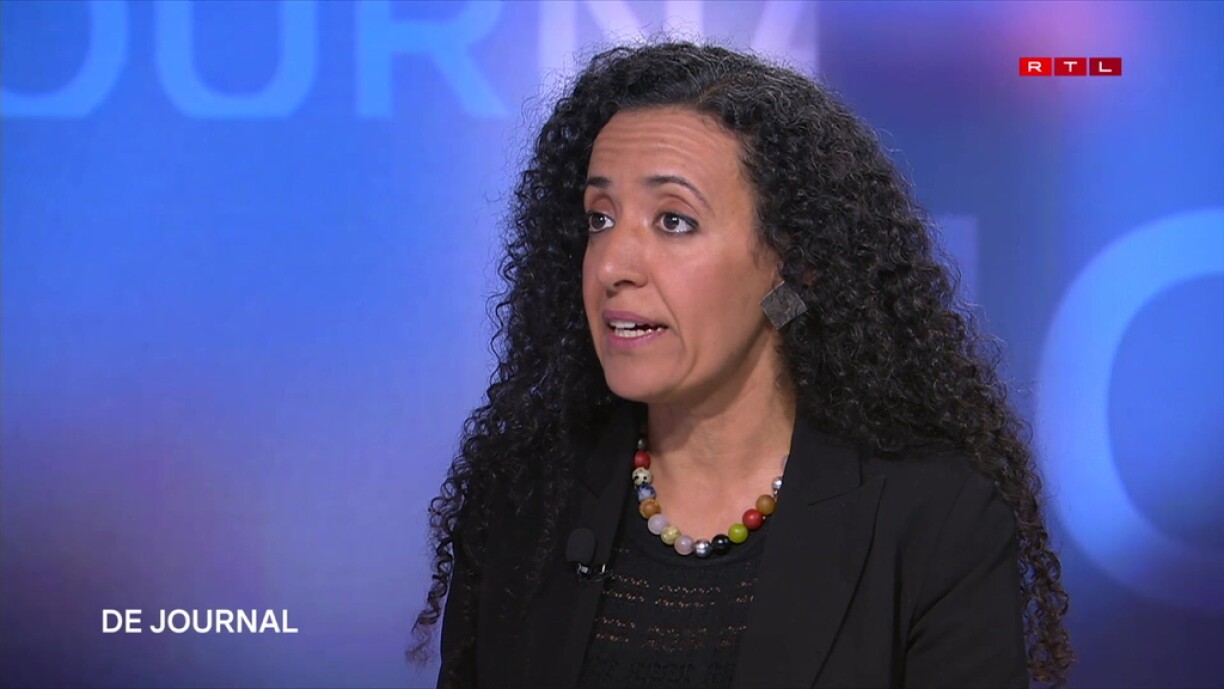
Dr. Ali joined MSF Luxembourg as a doctor 12 years ago. She now works in the Directorate of Health and, since last week, has taken on the role of President of MSF Luxembourg.
She voiced her concerns on the increasing number of crises. There are more natural disasters, exacerbated by climate change, and more wars where international rules of war are no longer followed. Hospitals and humanitarian convoys are now deliberately bombed. It’s clearly more dangerous for MSF teams today, but this makes their work even more crucial.
Dr Ali explains that the worst situations are those like in Gaza, where MSF doctors have to work as if they were in the Middle Ages because they cannot bring in any supplies.
“The situation in Gaza is catastrophic,” she deplored. Once, she noted that MSF doctors did not have enough bandages or medicine, something that MSF has never experienced before in all its years of humanitarian work.
Watch the full interview in Luxembourgish:





