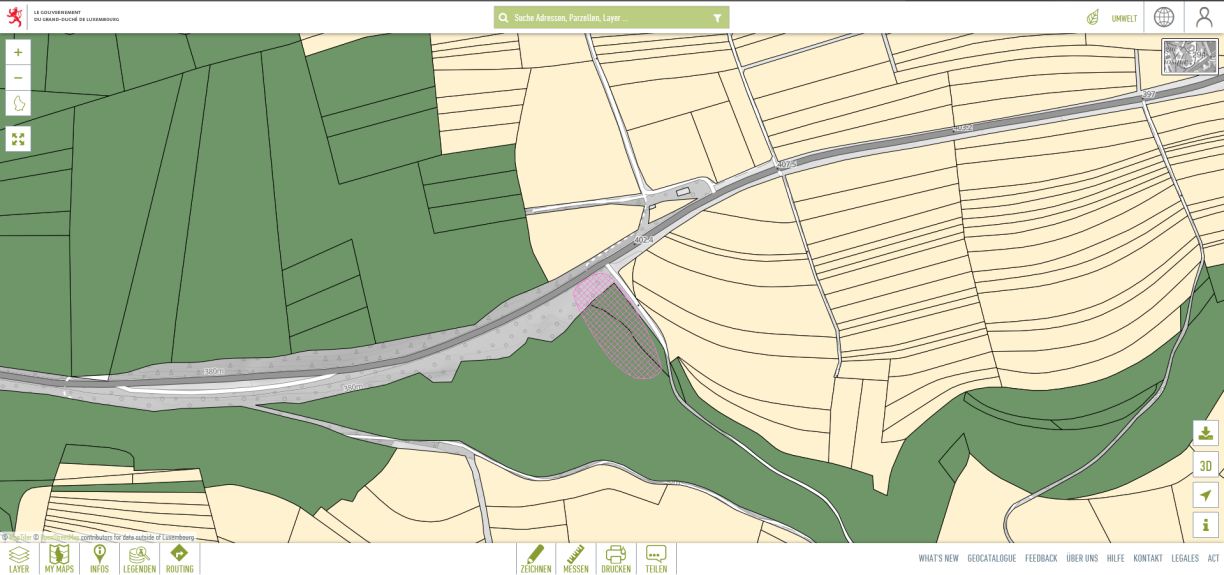
If your land is marked with a pink shading on Geoportail’s contaminated land register, report it to the Environment Agency, according to a leaflet from the Environment Ministry in 2006.
When new land sales or land purchases are made, notaries often use the online tool to identify potentially contaminated sites. In the past, every municipality had its own landfill and residents used other places in nature to dispose of waste. Therefore, there are unfortunately a significant number of marked spots on the map.
Over time, Luxembourg’s Environment Agency has a pretty solid grasp of what lies beneath green landscapes and whether natural habitats are still as intact as they appear. As each municipality used to have its own dumping site and its own landfill, the map’s “couche des sites potentiellement pollués” or “layer of potentially polluted sites”, aims to mark them all. This map also includes areas which were once contaminated but have since been sanitised. The pink shade therefore identifies contaminated areas, regardless of how long its been since they have been cleaned, while also including a historical record.
Luc Zwank, Director of the Environment Agency explains that notaries nowadays take advantage of this information as they are able to inform their clients that a respective piece of land is potentially contaminated, even if they are not legally required to do so.
In the 1990s, efforts were made to identify other potentially contaminated areas besides the ones that were already known. According to Zwank, even ordinary citizens rely on this information as over 17,000 inquiries were made about potentially contaminated sites. Most of the inquires were made regarding classified establishments which required operating permits, including industrial sites in Pulvermühl, just to name one.
Once a site has been identified, authorities must excavate and examine the soil to determine the level of contamination, according to the Director of the Environment Agency. Whether the land can be used depends on the proposed project, Zwank concludes.
Next to the A1 in the direction of Trier and near Flaxweiler lies the last remaining landfill site in Luxembourg. Even the Muertendall landfill is marked by a pink shade on the contaminated land register map. 21 municipalities, 70.000 residents and three syndicates have teamed up for the purpose of waste management.
Despite individual landfills a thing of the past in Luxembourg, what lies beneath the soil of these contaminated sites? How have they been sanitised?
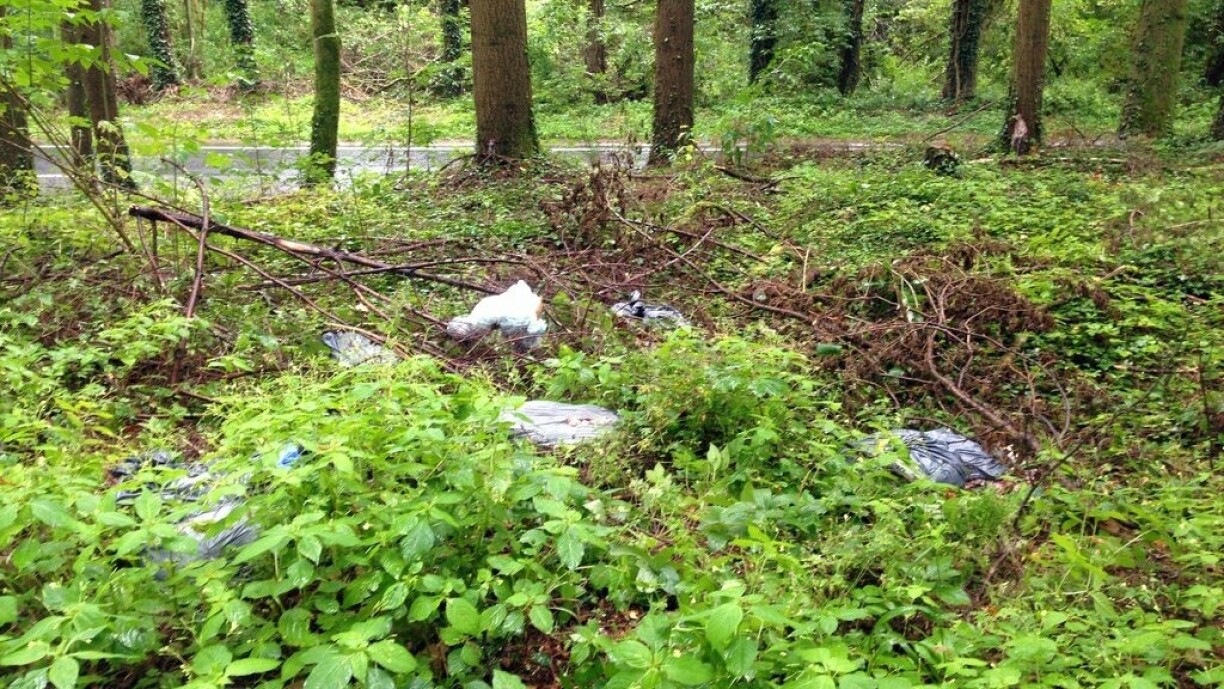
Unfortunately, illegal waste disposal remains an issue today. Until recently, the issue wasn’t given much thought but today authorities are taking a much tougher stance as dumping waste in nature is illegal and punishable by law.
Perpetrators can incur serious fines as disposing non-hazardous waste incurs fines ranging from €24 to €10,000, while hazardous waste can land you a fine of up to €750.000 including a prison sentence.
Video report in Luxembourgish:





